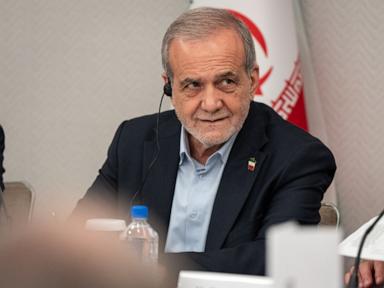
The sixty-day window to salvage the Islamabad Memorandum of Understanding has slammed shut, leaving Washington and Tehran in a state of suspended hostility over the vital Strait of Hormuz. When Iranian President Masoud Pezeshkian recently defended the June agreement as the optimal exit strategy from a grinding conflict, he omitted a harsher reality. The executive branch in Tehran and the White House signed an accord that was dead on arrival, torpedoed by contradictory interpretations of maritime sovereignty and unyielding domestic pressure.
Decades of covering Middle Eastern flashpoints teaches one fundamental truth. Paper agreements fail when they paper over absolute power struggles. The memorandum, brokered with regional facilitation, aimed to cap a conflict that flared into open warfare earlier in the year. Instead, it became a diplomatic holding pattern. Washington envisioned a disarmament blueprint coupled with strict international oversight. Tehran viewed the text as a face-saving exit that acknowledged its regional footprint while demanding the immediate lifting of economic strangulation.
The Anatomy of the Stretcher Case
To understand why the framework unraveled, look closely at the geography of the Persian Gulf. Approximately one-fifth of global oil and liquefied natural gas shipments rely on the narrow maritime passage of the Strait of Hormuz. During the negotiations, the core dispute did not center solely on enriched uranium percentages. It hinged on who polices the water.
Iran maintained that the text granted its security apparatus management rights over the channel, aligning with local statutes. Washington rejected this reading outright, threatening naval enforcement and heavy interdiction. When commercial vessels faced renewed threats and trade lanes constricted, the architecture of the memorandum collapsed under mutual accusations of bad faith.
Statements from political capitals exposed the underlying fracture. While Pezeshkian argued that the document honored national dignity, hardliners within the Iranian apparatus mobilized to reject any compromise on defensive posture. Simultaneously, American leadership dismissed extensions, pivoting back to maximum pressure tactics and naval blockades.
The Cost of Diplomatic Theater
Stalled negotiations rarely result in a return to status quo ante. They create vacuums filled by military planners preparing for the next escalation. Iranian military officials have signaled shifts toward more aggressive postures in the Gulf, while regional proxies continue low-intensity friction across multiple borders.
Diplomacy requires shared objectives. Right now, both governments find domestic utility in maintaining a posture of defiance. As long as political survival in Washington and Tehran depends on standing firm against the other, memoranda signed at European palaces or South Asian capitals remain vulnerable to the next stray missile or detained tanker. The war did not end when the deadline passed. It simply entered its next unpredictable phase.
Memorandum of understanding between US, Iran has officially expired
This video provides additional context on the expiration of the diplomatic framework and the rising tensions surrounding regional shipping lanes.