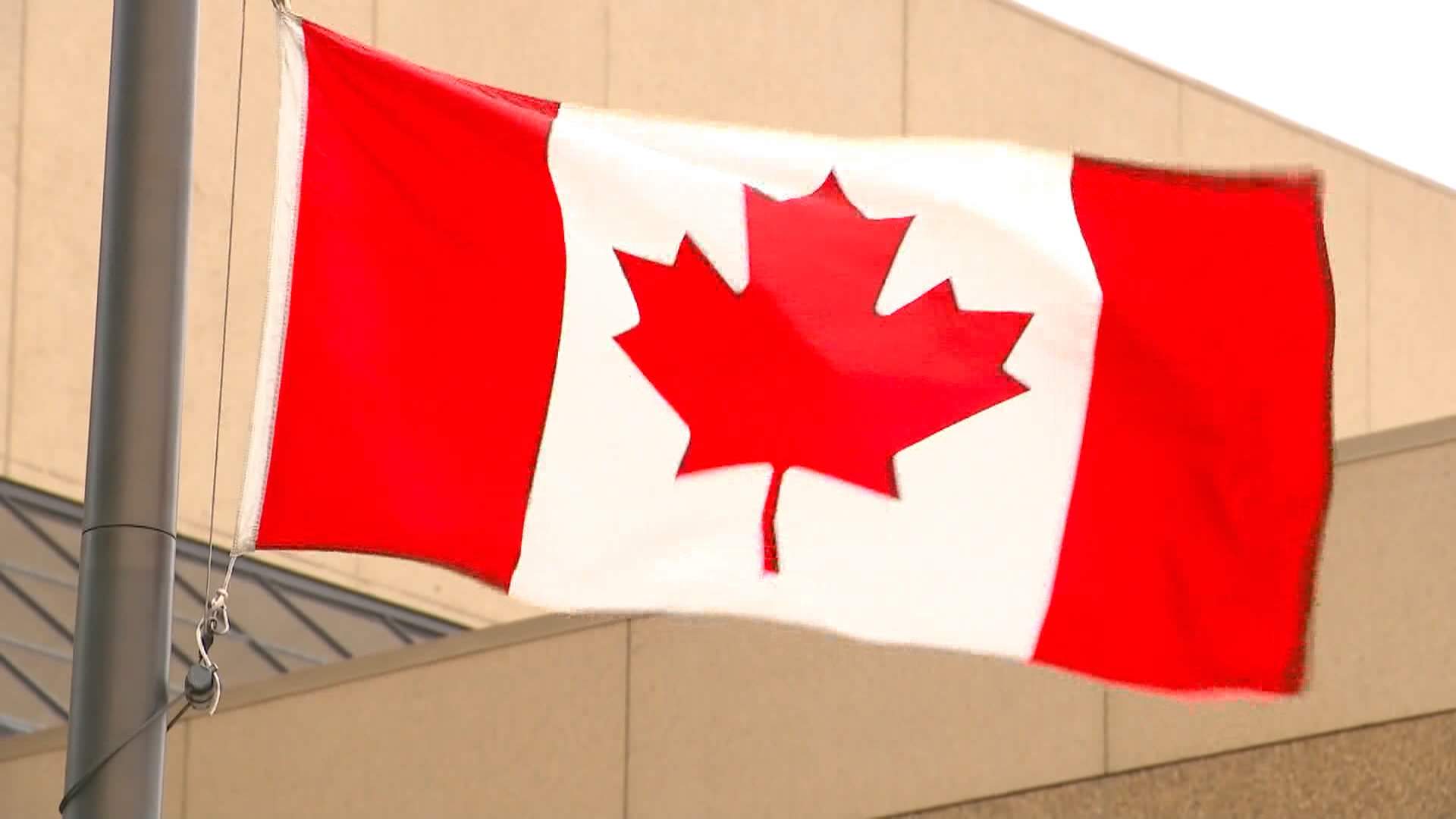
The lowering of ceremonial flags to half-mast at municipal police headquarters in Calgary and Edmonton this week appears, on the surface, to be a standard protocol of institutional mourning. The gestures were prompted by the separate line-of-duty deaths of two Ontario officers within a single forty-eight hour window. Behind the symbolic acts of solidarity lies a deeper systemic emergency that municipal and provincial leaders are hesitant to name.
Canadian policing is facing a quiet, compounding crisis of operational vulnerability and geographical isolation. When Ontario Provincial Police Constable Tarun Bali was struck and killed by a vehicle during an apprehension in remote northern Ontario, and Toronto Police Constable Marc Pinizzotto was gunned down less than forty-eight hours later during a high-risk tactical raid, the ripples were felt immediately in western Canada. This response is not merely sentimental. It is a symptom of a shared, brutal reality. Major frontline agencies across the country are realizing that the tactical and operational risks facing modern law enforcement are outpacing the historical structures built to protect them.
The Geography of Vulnerability
The deaths of Bali and Pinizzotto illustrate two distinct structural threats that frontline officers face daily. Bali was operating near Hearst, Ontario, an isolated logging hub roughly six hundred kilometres northwest of Sudbury. In remote northern detachments, back-up is measured not in minutes, but in hours. Frontline officers frequently manage high-risk vehicle stops and apprehensions entirely alone, relying on vast radio networks that occasionally suffer from dead zones.
When a suspect decides to use a vehicle as a weapon in these environments, the tactical advantage belongs entirely to the offender.
In contrast, Pinizzotto was a five-year veteran of the Toronto Police Emergency Task Force, a highly trained tier-one tactical unit. He died in a fourth-floor apartment hallway in North York while executing a high-risk search warrant connected to an ongoing investigation into a shooting at the United States Consulate. Even with comprehensive body armor, ballistic shields, and specialized training, entering an enclosed residential space remains one of the most perilous actions an officer can take. The suspect, a nineteen-year-old, opened fire the moment the breach occurred.
The juxtaposition of these two deaths proves that threat inflation is comprehensive. It exists in the urban vertical concrete of Canada's largest metropolis and along the lonely stretches of the Trans-Canada Highway.
The Western Equation
The immediate response from Calgary Police Service Chief Mark Neufeld and Edmonton Police Service Chief Dale McFee was predictable in its language but revealing in its timing. Both cities immediately adjusted their flags and released social media statements emphasizing a unified front. To understand why police leadership in Alberta reacts so acutely to Ontario casualties, one must examine the recent history of western Canadian law enforcement.
Alberta municipal forces have buried an unprecedented number of their own in recent years. The 2023 ambush killings of Edmonton Constables Travis Jordan and Brett Ryan inside a northwest apartment building fundamentally altered how western services approach domestic dispatch calls. Calgary has its own ledger, counting twelve line-of-duty deaths over its history, while Edmonton counts ten.
| Department | Line of Duty Deaths (Historical) | Key Vulnerability Vector |
|---|---|---|
| Toronto Police Service | 41 | Urban High-Density Tactical Raids |
| Ontario Provincial Police | 109 | Rural/Highway Isolation and Traffic Stops |
| Calgary Police Service | 12 | Suburbia and Stolen Vehicle Interventions |
| Edmonton Police Service | 10 | High-Risk Domestic Dispatch Interventions |
The data reveals that the risk is not localized. Western police departments look at Ontario's escalating violence and recognize the exact same operational headwinds affecting their own streets. The influx of illicit, modified firearms and the growing prevalence of volatile, unhoused populations suffering from severe addictions crises have rewritten the standard operating procedures in Calgary and Edmonton just as they have in Toronto.
The Failure of the Institutional Echo Chamber
For decades, the standard political response to a line-of-duty death has followed an identical script. Flags are lowered. Politicians offer thoughts and prayers. A massive, somber regimental funeral is held, drawing thousands of white-gloved officers from across North America to march down city streets.
Then, nothing changes.
This cycle represents an institutional echo chamber that actively prevents meaningful reform. The real issue is that police services are being used as a catch-all social safety net for a society experiencing widespread institutional collapse. Frontline officers are routinely expected to act as psychiatric nurses, addiction counselors, housing advocates, and domestic mediators, all while maintaining the tactical readiness required to survive an ambush.
"We stand together in grief and in our commitment to protect and serve our communities," the Calgary Police Service stated online.
The statement is honorable, but it masks a grimmer truth. Law enforcement personnel are being pushed into situations where no amount of community policing philosophy can protect them from a suspect determined to use lethal force. When tactical units like Toronto's ETF are taking casualties during standard warrant executions, the baseline assumption of officer safety has disintegrated.
The Bail Reform and Repeat Offender Blindspot
One cannot analyze the current spike in Canadian police fatalities without addressing the legislative framework governing criminal justice. Although the identities and specific legal histories of the suspects in the most recent Ontario deaths remain bound by the courts and the Special Investigations Unit, the broader trend is clear. Police officers across Canada are repeatedly arresting the same individuals for violent offenses, only to see them released back into the community under federal interim release provisions.
The federal government attempted to address this with Bill C-48, which created a reverse onus for bail for certain repeat violent offenders. Rank-and-file officers in the West argue the changes have been largely performative. The systemic backlog in the provincial court systems often pressures crown prosecutors into accepting plea deals that minimize time served, returning volatile actors to the streets far sooner than public safety dictates.
This creates an environment of exhaustion. Officers in Calgary and Edmonton are burning out, not just from the physical demands of the shift, but from the psychological weight of knowing that the individual they risk their lives to apprehend today will likely be back in the same neighborhood next month.
Tactical Realities in High-Density Housing
The fatal shooting of Pinizzotto in a North York apartment complex highlights an escalating structural danger for urban police forces across Canada. As cities densify, officers are increasingly forced to operate in narrow, poorly lit corridors where lines of sight are limited and escape routes are non-existent.
Close Quarters Breaching Risks
- Lack of Cover: Interior drywall offers zero ballistic protection against modern handgun rounds or long guns.
- The Fatal Funnel: Doorways and narrow hallways force officers into a single file line, making them easy targets for a barricaded suspect.
- Proximity to Bystanders: High-density apartment blocks mean that missed rounds or over-penetration can instantly endanger innocent families in adjacent units.
Western cities are not immune to this architectural reality. The rapid construction of high-density residential towers in downtown Calgary and the sprawl of multi-family complexes in Edmonton mean that western officers are handling the exact same tactical bottlenecks that proved fatal in Toronto. The traditional approach of containment and negotiation is frequently discarded when a warrant involves active firearms possession or an immediate threat to the public, forcing teams into the fatal funnel with devastating consequences.
Moving Beyond Symbolic Grief
The ritual of lowering flags to half-mast serves an internal cultural purpose for police services. It allows a grieving workforce to feel connected to a broader, national fraternity. For the public, however, these gestures must stop being viewed as a complete response to tragedy.
The survival of frontline law enforcement officers depends on a fundamental reassessment of how Canadian cities manage public disorder and criminal accountability. If provincial and federal governments continue to ignore the operational isolation of rural officers and the tactical vulnerability of urban squads, the flags outside police headquarters in Calgary and Edmonton will not stay at the top of the mast for long.