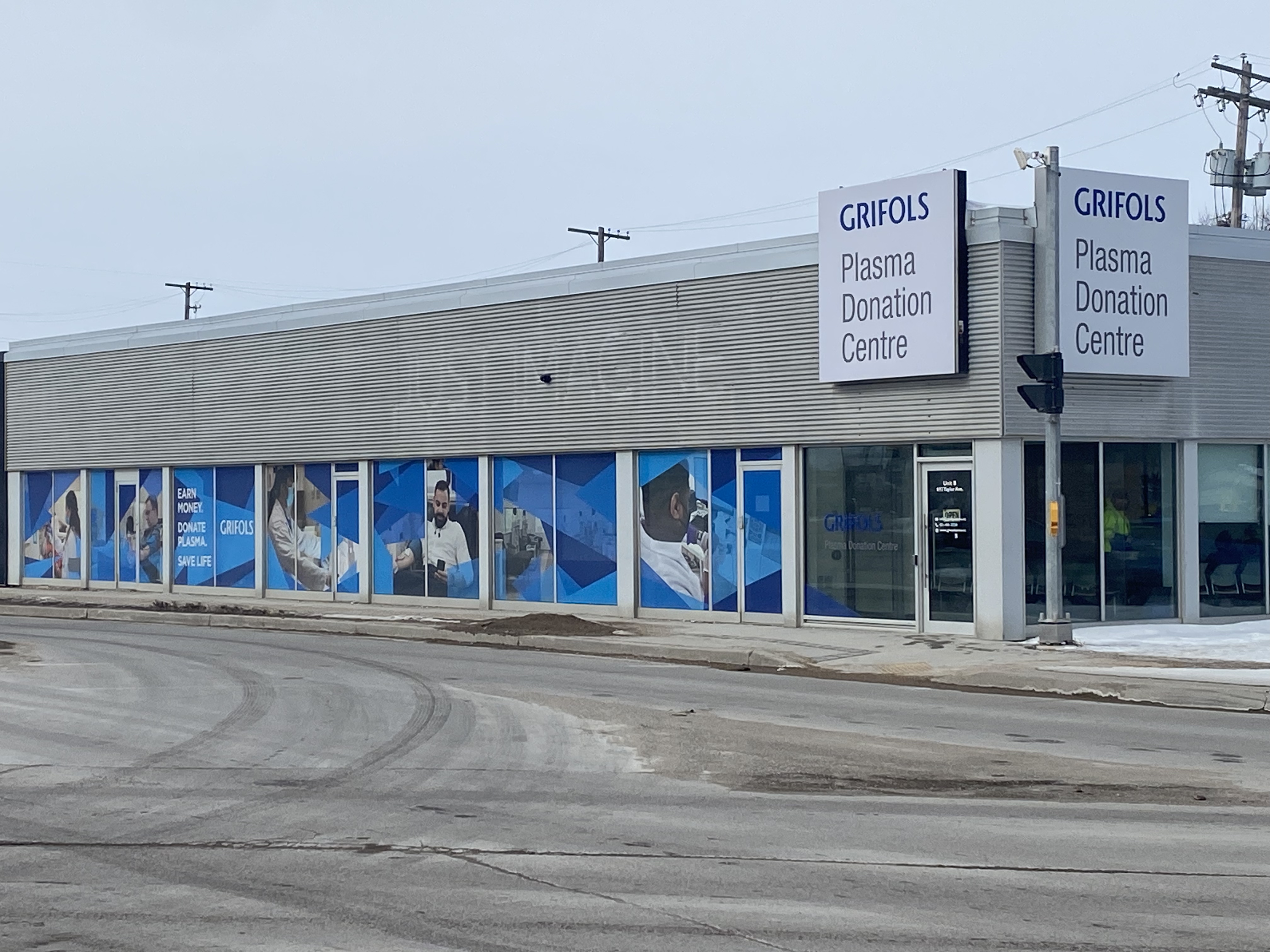
The sudden death of a 22-year-old international student during a routine plasma donation in Winnipeg has exposed deep vulnerabilities within Canada's rapidly expanding commercial plasma market. Rodiyat Alabede, a University of Winnipeg student originally from Nigeria, suffered a fatal cardiac arrest in October 2025 while hooked to an apheresis machine at a commercial collection facility run by Grifols. While federal regulators initially closed the case after finding no direct link to the donation procedure, newly surfaced autopsy details and damning internal inspection reports have prompted urgent demands from health advocates and the victim’s family to reopen the investigation.
The tragedy points to a broader, systemic issue. It raises critical questions regarding donor screening adequacy, front-line staff competency, and regulatory oversight inside private, for-profit extraction clinics that pay donors for their plasma.
The Friction Between Profit and Protection
To understand how a routine procedure can spiral into a tragedy, one must look at the mechanics of plasma extraction. Unlike a standard whole-blood donation, which simply draws blood into a bag, plasma collection utilizes an apheresis machine. This device draws whole blood, separates the plasma via centrifuge, and then pumps the remaining red blood cells and platelets back into the donor's body.
The fluid shifts involved in this process are significant. During the return cycle, rapid changes in blood volume and electrolyte levels can alter fluid dynamics within the cardiovascular system. For a healthy donor, the body adjusts with ease. For someone with an underlying heart condition, it presents an entirely different risk profile.
An autopsy completed shortly after Alabede’s death revealed she suffered from dilated cardiomegaly, an undiagnosed enlarged heart. Manitoba’s chief medical examiner noted that while an arrhythmia could theoretically strike at any time, a subtle shift in circulating blood volume or electrolyte levels during donation could not be ruled out as a contributing trigger.
The fundamental issue is whether the facility's screening protocols were robust enough to identify an at-risk individual, and whether staff possessed the clinical depth to manage an developing emergency.
Inspection Reports Reveal Operational Failures
Health Canada’s official medical summary from March stated there was no direct linkage between the donation and the fatality. Yet, internal inspection documents obtained by investigators painted a starkly different picture of the operational reality inside the Winnipeg clinic.
- Training Deficiencies: Inspections conducted immediately following the October 2025 incident revealed that front-line personnel lacked adequate training regarding machine alerts and alarms.
- Atypical Testing Protocols: The corporate training architecture allowed personnel to repeatedly fail and retake essential competency quizzes up to four times, using identical questions presented in the exact same sequence.
- Absence of Clinical Supervision: While standard operating procedures mandated that staff escalate developing adverse reactions to a clinic supervisor, inspectors discovered that the company did not even feature a supervisor position within its localized organizational structure. No supervisor was present on the day of the inspection.
- Equipment Errors: During a follow-up inspection in November 2025, federal regulators discovered physical tubing on extraction machinery had been incorrectly configured.
The critique leveled by patient advocacy groups is not aimed at the inherent safety of plasma extraction itself, which has a long history of safe practice under rigorous conditions. Rather, it centers on the systemic vulnerabilities introduced when commercial operations scale up rapidly. When an emergency strikes on the clinic floor, there is a razor-thin margin for error. If staff do not recognize machine codes instructing them to halt an extraction, or if they struggle to manage blood return volumes, a manageable adverse reaction can quickly escalate.
A Systemic Pattern Across the Network
The issues identified in Winnipeg do not appear to be isolated incidents. Just three months after Alabede's death, a second donor died following a plasma donation at a separate Grifols location in Winnipeg. While Health Canada maintained that both facilities were technically following standard operating procedures during the specific times of the incidents, the accumulation of critical inspection failures across the country tells a more complicated story.
Out of eight documented instances of regulatory non-compliance for blood and plasma inspections in Canada dating back to 2016, facilities operated by this single corporate entity accounted for half of the infractions. Deficiencies spanned from inadequate equipment calibration and maintenance to flawed donor suitability screening. In April, Health Canada took the rare step of placing strict conditions on the operator's corporate license due to recurring, systemic deficiencies identified at multiple sites, including its Oakville headquarters.
Private collection centers operate on a volume-driven model. They incentivize donors with cash payments, drawing heavily from vulnerable populations, including cash-strapped university students. When commercial interests demand high throughput, the operational pressure on staff increases. If training regimes are treated as checkboxes rather than rigid clinical standards, safety protocols can break down.
Moving Beyond Regulatory Complacency
The current friction between independent autopsy findings and federal summaries underscores a significant gap in transparency. The regulator's initial closure of the file relied on the premise that because an underlying condition was present, the donation process itself was absolved of blame. This perspective overlooks the concept of a contributing trigger.
Advocates representing the Alabede family have formally requested that the federal government suspend commercial collection licenses for the operator until a comprehensive, independent inquiry can reconcile the medical discrepancies. Specifically, they point to conflicting data regarding the actual volumes of plasma extracted versus what was recorded in federal oversight briefs.
Canada’s plasma collection landscape is shifting toward privatization in an effort to reduce reliance on foreign plasma product imports. This transition demands a reassessment of oversight protocols. Relying on self-reported corporate data and post-incident paperwork reviews is insufficient when lives are at stake. Ensuring donor safety requires unannounced, rigorous on-site inspections, standardized and ungameable staff testing, and a mandatory requirement for advanced medical oversight on the collection floor. Without these structural reforms, the system remains vulnerable to the same operational blind spots that preceded this tragedy.