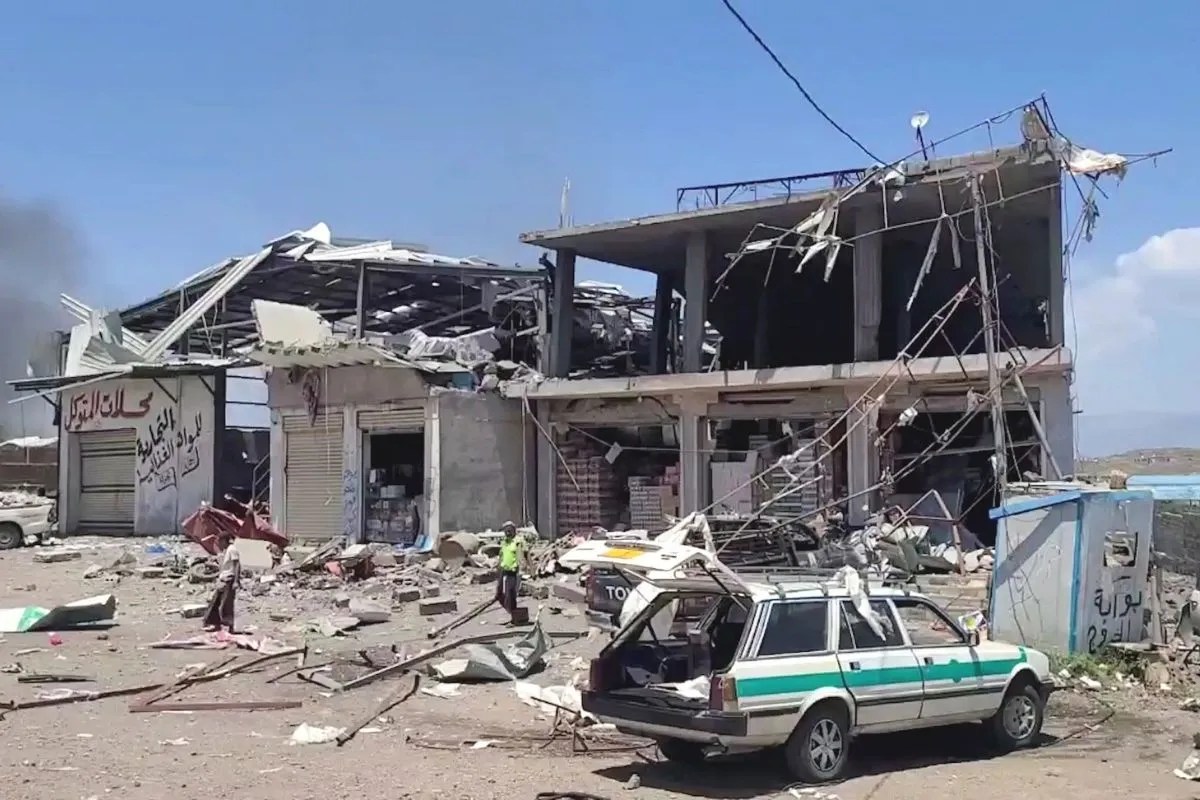
The Bab al-Mandab choke point has turned into a proving ground for cheap, lethal unmanned warfare where fiber-optic drones and kamikaze drones collide with brutal geography and regional oil politics. Headlines love a clean narrative of a massive clash between Yemeni government forces and the Houthis along the Red Sea corridor. On the ground, the reality is messier, slower, and far more revealing. A few hundred dollars worth of carbon fiber, copper wire, or glass filament is forcing commanders to rethink how coastlines, artillery batteries, and supply lines survive under constant surveillance.
Anyone who has watched modern conflict evolve knows how quickly basic assumptions break when cheap hardware meets high-value targets. For years, conventional militaries treated unmanned aerial vehicles as either expensive reconnaissance platforms or long-range loitering munitions built in specialized factories. That distinction has blurred on Yemen's western coast, in Taiz, and around the approaches to the Bab al-Mandab Strait, where both sides have scrambled to field strike drones and counter-drone measures amid renewed fighting since mid-2026. You might also find this similar story interesting: When the Sky Becomes a Bargaining Chip.
Why Bab al-Mandab Sits at the Center of a Chokepoint Squeeze
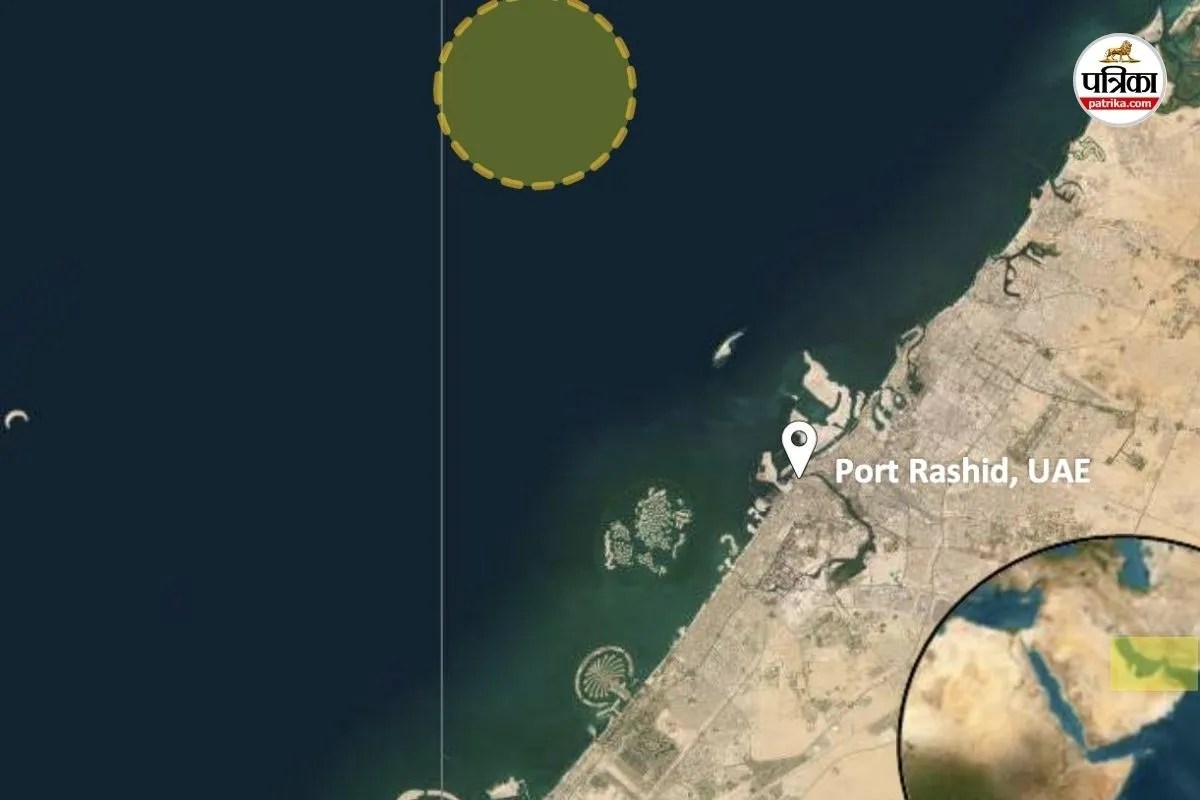
Geography alone makes Bab al-Mandab a permanent flashpoint. Sitting between the Horn of Africa and southwestern Yemen, this narrow waterway links the Red Sea to the Gulf of Aden and carries roughly 10 percent of global trade alongside a major share of seaborne crude. When shipping lanes near the Strait of Hormuz tighten during regional crises, pressure spills straight onto the Red Sea route, turning every coastal ridge and anchorage near Bab al-Mandab into a strategic lever.
Fighting that reignited in the summer of 2026 did not happen in a vacuum. After years of uneasy truce punctuated by sporadic clashes, hostilities escalated sharply as factions maneuvered for coastal leverage, oil transit influence, and frontline advantage. By September 2026, Houthi forces pushed along Red Sea coastal areas and islands affecting access to the strait, while internationally recognized Yemeni government forces and aligned units launched counter-operations before pulling back from contested coastal ground around Dhubab in mid-November 2026. As extensively documented in latest coverage by NPR, the effects are worth noting.
Control over a strait is rarely won by a single dramatic assault; it is contested daily across roads, radar blind spots, supply depots, and low-altitude air corridors.
Analysts covering the conflict have noted that Yemeni government and allied forces expanded their own drone operations to spot movements, direct artillery, and hit entrenched positions rather than relying purely on static defense. Still, building an effective drone capability is not the same as overturning a deep industrial and logistics gap. Sustaining spare parts, training skilled pilots, and protecting launch sites from counter-strikes remain grueling tests of endurance.
How Fiber-Optic and Kamikaze Drones Change Frontline Math
To understand why kamikaze drones—often referred to as one-way attack or loitering munitions—and fiber-optic drones draw so much attention, look at the economics of the battlefield. A single armored vehicle, radar dish, artillery piece, or ammunition truck costs vastly more than a small explosive-laden quadcopter or fixed-wing strike drone. Even when a small drone misses or gets shot down, the defender often spends more in interceptor munitions or exposed positioning than the attacker spent building the airframe.
Standard First-Person View (FPV) drones rely on radio links to send live video back to a pilot and receive steering commands. Radio signals work well in open air, yet they are vulnerable to electronic jamming, signal interference, and direction-finding equipment that can pinpoint where the operator sits. Once electronic warfare teams flood the local spectrum, ordinary wireless drones lose picture or control and drop short of their targets.
Fiber-optic drones solve that specific radio problem by paying a physical price. Instead of shouting commands across an invisible radio band, the craft trails an ultra-thin spool of optical fiber wire behind it as it flies. Signals travel down the glass thread at high bandwidth with almost no susceptibility to radio jamming and no need for satellite navigation.
That immunity comes with real friction in the field. A tether can snag on scrub brush, power lines, walls, or rugged rock formations in a mountainous or semi-arid sector. Spools also add weight, limit maximum range to the length of the wound cable, and leave a telltale physical trace if ground troops inspect the area. In real combat, fiber-optic guidance is a sharp tool for jammed short-range engagements—not a magic wand that erases physics or terrain.
| Drone Category | Primary Guidance & Link | Main Battlefield Advantage | Practical Vulnerability |
|---|---|---|---|
| Kamikaze / One-Way Attack Drone | Pre-programmed waypoints, GPS/INS, or live operator link | Strikes fixed or semi-fixed targets beyond direct line of sight | Detectable by radar or acoustics; vulnerable to air defense |
| Standard Wireless FPV Drone | Radio frequency (RF) control and video transmission | Agile, low-cost, precise terminal steering against vehicles or trenches | Susceptible to RF jamming and signal location tracking |
| Fiber-Optic FPV Drone | Physical optical fiber cable unwound in flight | Immune to RF jamming; crisp video feed in contested airspace | Cable snagging on terrain/obstacles; range capped by spool length |
The Overlooked Reality Behind Headline Clash Stories
Sensational war reporting often treats every skirmish near Bab al-Mandab as a decisive turning point. Experienced defense observers know better. A tactical strike with drones can destroy a vehicle, knock out a jammer, or force an infantry squad into cover, yet territorial control along a rough coastline depends on infantry holding ground, resupply routes staying open, and forces avoiding encirclement.
Consider a hypothetical example to see how tactical gains and strategic limits interact on a coastal front. Suppose a small unit uses a fiber-optic FPV drone to disable a machine-gun nest blocking a dirt track near a coastal ridge. The strike succeeds cleanly because electronic jammers on the ridge cannot touch the wired feed. Yet if the attacking unit lacks spare batteries, replacement spools, or secure rear roads to bring up ammunition and medical support, the ridge can still change hands hours later when heavier units maneuver around the flank.
Another overlooked factor is how quickly counter-tactics adapt once a new weapon appears. Recovering a crashed or unexploded drone gives engineers clues about frequencies, battery chemistry, warhead type, and spool mechanics. Defenders respond by fortifying firing positions, netting vulnerable vehicles, dispersing artillery rather than parking guns hub-to-hub, and training gunners with autocannons or remote weapon stations to track low-flying targets.
When cheap drones multiply on both sides, camouflage discipline and dispersion stop being textbook drills and become the difference between surviving a shift and losing an entire platoon.
Regional dynamics add another layer that domestic frontline accounts often skim past. External suppliers, intelligence sharing, air-defense coverage, and maritime security calculations far beyond Yemen shape how long either side can sustain high-tempo operations. Even when local forces claim heavy losses inflicted on rivals, those figures are notoriously hard to verify independently amid fog of war, propaganda claims, and shifting frontlines.
What Smart Observers Should Watch Next
Separating signal from noise in the Bab al-Mandab conflict requires looking past dramatic claims of total victory or instant collapse. Watch logistics trails, coastal access around key ports and islands, and whether units can keep operating drones week after week rather than staging brief bursts of publicity footage.
Pay close attention to defensive adaptation as well. Any force fielding fiber-optic drones and kamikaze drones faces the same relentless cycle: build cheaper, fly lower, protect the operator, and keep supply lines moving despite constant eyes in the sky. Track how commanders adjust artillery spacing, vehicle protection, and coastal patrols—because those quiet adjustments tell you who actually holds the initiative when the smoke clears.