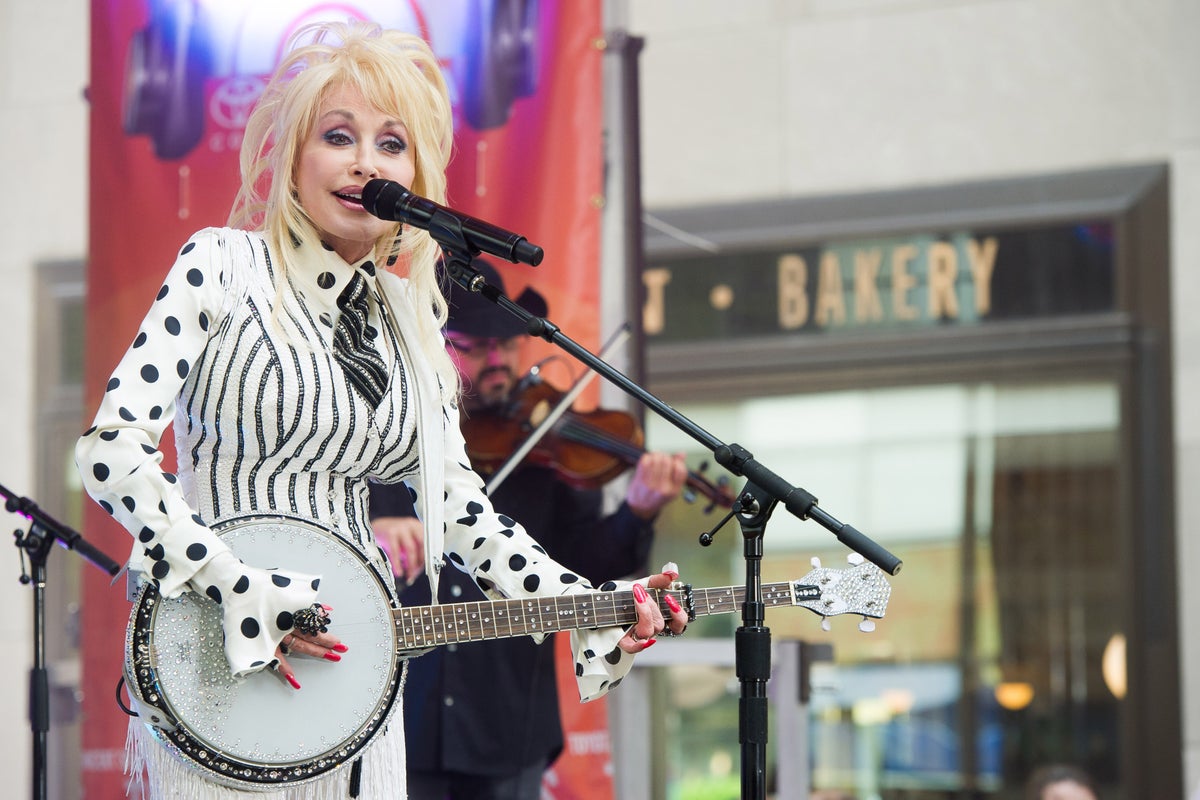
The music press is currently falling over itself to praise the indie folk singer Selines and her latest release, (Nostalgia). The narrative is as predictable as a four-chord progression: an artist "grappling with the complex meaning of home," wandering through acoustic soundscapes to find pieces of a discarded past. Critics are calling it a profound, melancholy examination of displacement.
They are wrong. It is marketing.
What the industry calls "authentic nostalgia" is actually a manufactured, commodified aesthetic designed to trigger a psychological reflex. We are not witnessing artists processing genuine memory; we are witnessing the optimization of longing. The entire indie folk genre has trapped itself in a loop of mourning a past that neither the artists nor their audiences ever actually lived. It is time to dismantle the myth of the tortured, homesick troubadour.
The Myth of the "Pure" Sonic Homeland
The lazy consensus dominating music journalism assumes that when an indie artist strips away electronic production, picks up an acoustic guitar, and sings about dirt roads, front porches, or a vague sense of displacement, they are accessing something pure.
This is a fundamental misunderstanding of how memory works. Psychologists have long documented a phenomenon known as anemoia—a deep nostalgia for a time you’ve never known. Indie folk does not document reality; it weaponizes anemoia.
When Selines sings about the "meaning of home," she is not inviting you into her actual childhood apartment or suburban block. She is inviting you into a curated, universalized stage set. The creaking chair in the background, the hiss of tape emulation software, the slightly detuned guitar—these are acoustic signifiers. They are calculated triggers designed to make a 22-year-old listening on AirPods in a high-rise apartment feel homesick for an agrarian paradise they only know from film stock.
I have sat in A&R meetings where engineers spend hours adding digital "warmth" to a track to make it sound like it was recorded in a cabin in 1974. It is an industry-wide illusion. True home is messy, specific, and usually unmarketable. The "home" sold in modern indie folk is a sterile, standardized product wrapped in a flannel shirt.
The Co-dependency of Sadness and Streaming Algorithms
Let us look at the brutal mechanics of how music is consumed today. Why is the industry saturated with these melancholic, home-seeking anthems?
Because grief retains users.
Spotify’s algorithmic ecosystem thrives on passive, emotional wallpaper. Playlists like "Chill Folk," "Autumn Acoustic," or "Morning Stroll" require music that does not disrupt the environment. They require a steady hum of low-stakes existential dread.
[Algorithmic Feedback Loop]
Acoustic/Melancholy Sound -> High Playlist Retention -> Algorithm Promotes Track -> Artists Replicate Sound
If an artist writes a song that is genuinely confrontational about the realities of modern displacement—gentrification, economic exile, the fragmentation of digital communities—it jars the listener. It gets skipped. But if you wrap that displacement in a foggy, romanticized cloud of "nostalgia," it becomes perfect background audio for studying or making sourdough bread.
The industry rewards artists who convert real, jagged trauma into smooth, acoustic sadness. By framing Selines’ work as a deep philosophical inquiry into "home," critics ignore the structural reality: it is music perfectly optimized to avoid being skipped during a corporate work session.
Dismantling the "People Also Ask" Assumptions
Whenever a release like (Nostalgia) drops, the search trends reveal a predictable pattern of public inquiry. The answers provided by mainstream outlets are universally soft. Let us answer them with data and reality.
Does writing nostalgic music help artists heal?
Rarely. In fact, it often traps them in a performance loop. When an artist finds commercial success by commodifying a specific period of their pain or a romanticized version of their upbringing, they are forced to inhabit that persona night after night on tour. I have managed artists who grew to despise the "pure, simple" versions of themselves they created for their debut albums. They wanted to evolve, but the audience—and the label—demanded they stay frozen in that profitable state of perpetual longing.
Why is indie folk so focused on the past?
Because the present is terrifyingly complex, and simulating the past is cheap. It takes massive creative risk to invent a new sonic language to describe the alienation of 2026. It takes zero risk to buy a vintage Gibson, turn up the reverb, and sing about trees. The focus on the past is not a profound artistic choice; it is a collective failure of imagination disguised as reverence for tradition.
The Danger of Aestheticizing Displacement
There is a dark side to this obsession with pastoral nostalgia. We live in an era of genuine, unprecedented housing crises, climate migration, and hyper-urbanization. When the art world responds to real, material displacement by retreating into a fantasy of rural simplicity, it acts as an opiate.
Instead of engaging with why communities are fracturing, these records offer a temporary, sonic escape hatch. They allow the listener to feel a profound sense of mourning without ever having to engage with the political or economic realities that caused the loss in the first place. It is a highly sanitized version of grief. It is activism reduced to an aesthetic.
Consider the work of early folk pioneers—artists who used traditional structures to confront the immediate, brutal realities of their present day. Modern indie folk has inverted this paradigm. It uses traditional structures to hide from the present.
How to Listen Beyond the Hype
If you want to find music that actually grapples with the concept of home, you have to stop looking at the artists who check every box on the "authentic" checklist. Look for the friction.
- Reject the acoustic bias: An artist using a synthesizer and a drum machine can communicate the isolation of modern living far more accurately than someone strumming a banjo in a simulated barn.
- Look for specificity over universality: Genuine memory is bizarre and specific. If a song features lyrics that could apply to any small town or any childhood, it is a template. Look for the ugly, unpolished details that disrupt the romantic narrative.
- Follow the money: Look at how the record was made. Was it actually recorded in a moment of isolated inspiration, or is it backed by a multi-tier digital marketing campaign designed to make a major-label signee look like an underground secret?
The critical praise heaped upon Selines’ (Nostalgia) is a symptom of a industry terrified of looking forward. We do not need more albums that act as acoustic security blankets. We need music that forces us to look at the world we actually inhabit, rather than weeping over a postcard of a world that never was. Stop buying into the manufactured ache. Turn off the playlist. Demand art that confronts the noise of the now.