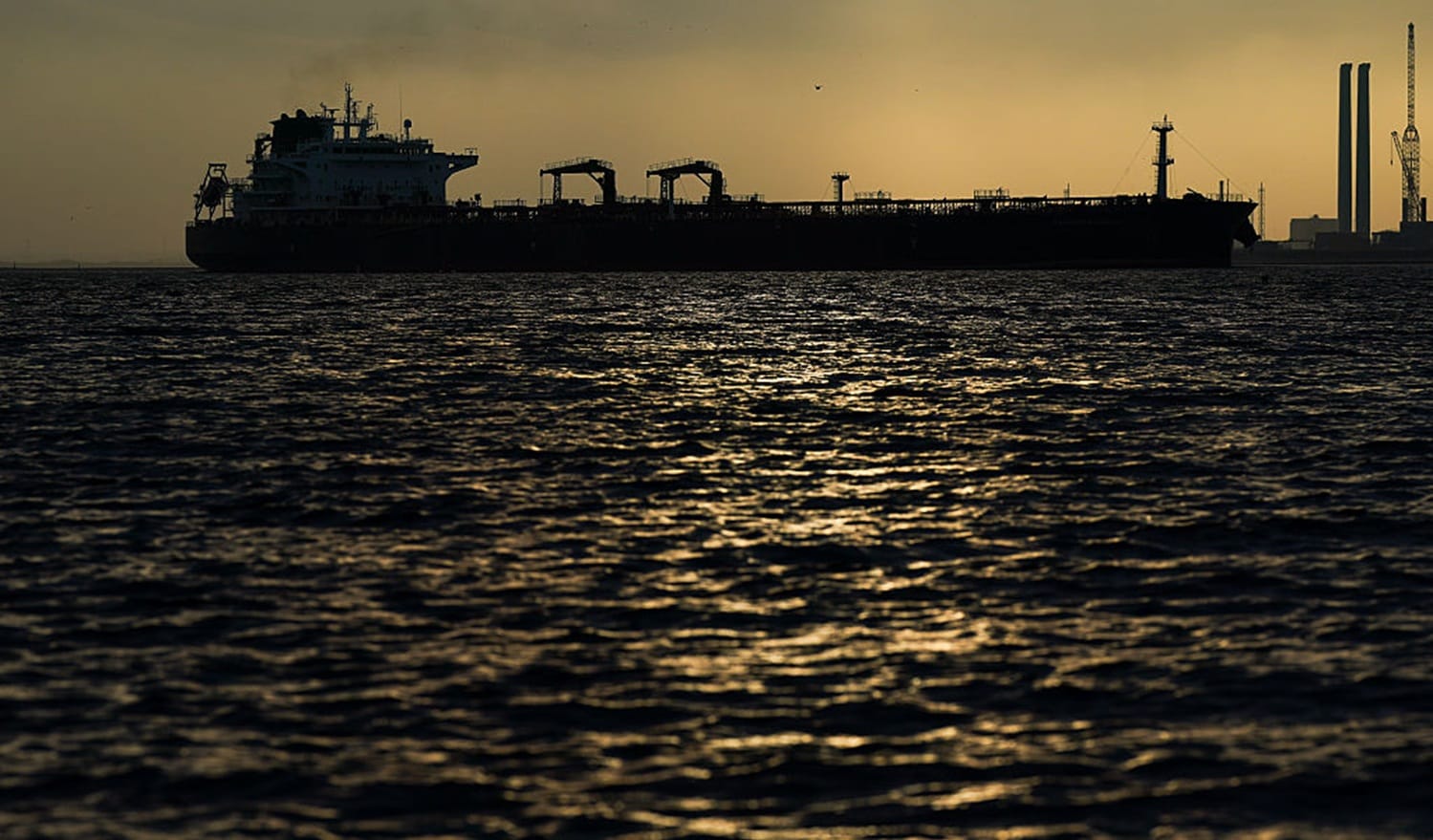
The Strait of Hormuz is the world's most stressed-out stretch of water. It's a narrow chink in the armor of global energy security where one wrong move can send oil prices screaming toward triple digits. For India, this isn't some abstract geopolitical puzzle. It's about keeping the lights on and the stoves burning for 1.4 billion people. When an Indian-flagged LPG tanker recently needed to traverse these volatile waters, it wasn't just luck that got it through. It was a masterclass in back-channel diplomacy that saw the Iranian Navy providing a literal shield for Indian energy interests.
We aren't talking about a routine patrol here. This was a specific, coordinated effort to ensure that a massive vessel carrying Liquefied Petroleum Gas (LPG) didn't become collateral damage in the ongoing shadow war between regional powers and Western-aligned interests. While most of the world watches the headlines for signs of escalation, New Delhi has been quietly working the phones in Tehran. The result? The Iranian Navy guided the Indian vessel through the most dangerous parts of the strait, ensuring its cargo reached its destination without a scratch.
Why the Strait of Hormuz dictates your energy bill
If you look at a map, you'll see why this tiny waterway matters so much. At its narrowest, it's only about 21 miles wide. Yet, roughly a fifth of the world’s total oil consumption passes through it. For India, the stakes are even higher. India imports about 80% of its crude oil and a massive chunk of its LPG. Much of that comes from the Gulf nations.
When tensions spike, insurance premiums for tankers skyrocket. Shipping companies get nervous. Sometimes, they refuse to sail. This creates a bottleneck that can starve the Indian market of essential fuel. By securing an Iranian escort, India didn't just protect one ship; it signaled to the market that it has a unique "VIP pass" in a region where others are struggling to maintain a presence.
It's a gutsy move. While the US and its allies often rely on "freedom of navigation" operations—basically parking massive destroyers in the area to dare anyone to take a shot—India took a different route. It used its historical and diplomatic capital with Iran to get the very force that others fear to act as its bodyguard.
The mechanics of the Indian-Iranian maritime handshake
This didn't happen overnight. It's the culmination of months of delicate balancing. India has managed to stay on good terms with Israel, the US, and the Arab states while refusing to join the chorus of voices calling for Iran’s total isolation. This "multi-alignment" strategy is often criticized as being indecisive, but this tanker escort proves it's actually incredibly practical.
The Iranian Navy's involvement was proactive. They provided coordinates, timed the transit to avoid high-risk windows, and maintained a physical presence near the Indian tanker. This kind of cooperation usually requires high-level clearance from the Iranian Revolutionary Guard Corps (IRGC) and the top brass in Tehran.
For the Indian crew on board, seeing an Iranian naval vessel alongside wasn't a threat—it was a relief. In a zone where "unidentified" drones and limpet mines are genuine risks, having the local heavyweight in your corner is the best insurance policy money can't buy.
Why this beats Western naval protection
You might wonder why India doesn't just rely on the various international maritime task forces operating in the region. There's a simple reason. Western escorts often act as magnets for trouble. If a US-led mission is guarding a ship, it becomes a target for anyone looking to make a political statement against Washington.
India’s approach is different because it’s non-confrontational. By asking for—and receiving—Iranian cooperation, India removes the "target" aspect of the transit. It turns a potential flashpoint into a bilateral agreement. It’s also much cheaper. Constant naval deployments cost millions. A solid diplomatic relationship costs time and respect, but the ROI is significantly better for the taxpayers.
Dealing with the reality of maritime threats
We have to be honest about the risks here. The Middle East is a powder keg. Between the Houthi movements in the Red Sea and the tensions in the Persian Gulf, shipping is under constant threat. We've seen tankers seized, crews detained, and ships struck by "suicide" drones.
India’s LPG needs are skyrocketing. As the country moves away from traditional biomass for cooking in rural areas, the demand for LPG has exploded. Any disruption in the Strait of Hormuz doesn't just affect industry; it affects the kitchen of a family in a small village in Bihar or Karnataka. That’s why the Indian government treats these transits with such gravity.
- Security of Supply: Maintaining a steady flow of LPG is a national security priority.
- Price Stability: Avoiding "war risk" surcharges keeps domestic fuel prices manageable.
- Strategic Autonomy: Proving that India can protect its interests without relying on a Western security umbrella.
The Chahbahar connection
You can't talk about India-Iran relations without mentioning the Port of Chahbahar. India has invested heavily in this Iranian port to create a trade route to Central Asia that bypasses Pakistan. This project has given New Delhi significant leverage.
Because Iran wants Chahbahar to succeed, they have a vested interest in keeping Indian shipping safe. If they started harassing Indian vessels or allowed others to do so, the Chahbahar deal would collapse. This economic link acts as a stabilizer. It’s a classic case of using trade to buy security. While the US might use sanctions as a stick, India uses infrastructure as a carrot. It’s working.
Navigating the pressure from Washington
Of course, this isn't exactly making the State Department in Washington happy. The US wants a unified front against Iran. Seeing a major "strategic partner" like India getting a naval escort from the Iranians looks a bit messy on paper.
But India has been very clear. Its energy security is non-negotiable. If the US can’t guarantee the safety of every Indian LPG tanker, India will find someone who can. The "India first" policy in foreign affairs means New Delhi will talk to anyone—literally anyone—if it keeps the economy moving. It's a pragmatic, cold-blooded approach to a very dangerous part of the world.
The technical side of the escort
Escorting a massive LPG tanker isn't just about sailing next to it. It involves sophisticated communication. The Indian tanker likely had to share its precise "Automatic Identification System" (AIS) data with Iranian maritime authorities. In some cases, ships in this region "go dark" by turning off their transponders to avoid being tracked by hostile actors.
However, with a naval escort, the ship can maintain communication with a protector that has local radar dominance. The Iranian Navy knows these waters better than anyone. They know the hideouts used by small attack craft and the patterns of local traffic. That local knowledge is what makes this escort so valuable. It’s the difference between having a map and having a local guide who knows where the potholes are.
What this means for future Indian shipping
Expect to see more of this. As long as the Middle East remains a zone of high tension, India will continue to use its diplomatic unique status to shield its energy imports. This sets a precedent. It tells other nations that India isn't just a passive observer in global maritime security. It’s an active player that can secure its own routes through sheer diplomatic willpower.
Don't expect a formal announcement of a "permanent" escort agreement, though. That would be too provocative. Instead, this will remain a "case-by-case" arrangement, handled through quiet military-to-military channels. It’s the "Indian way" of doing business: effective, quiet, and entirely focused on the bottom line.
If you're tracking the energy markets, stop looking only at production numbers. Start looking at these naval movements. The ability of a country to move its fuel through a war zone is just as important as the amount of fuel it actually buys. India just proved it has the moves to stay safe in the world's most dangerous neighborhood.
Keep an eye on the vessel tracking data for the next few Indian tankers entering the Gulf. You won't see the Iranian naval vessels on the public apps, but the steady, uninterrupted speed of those tankers tells you everything you need to know about the secret deals happening behind the scenes.