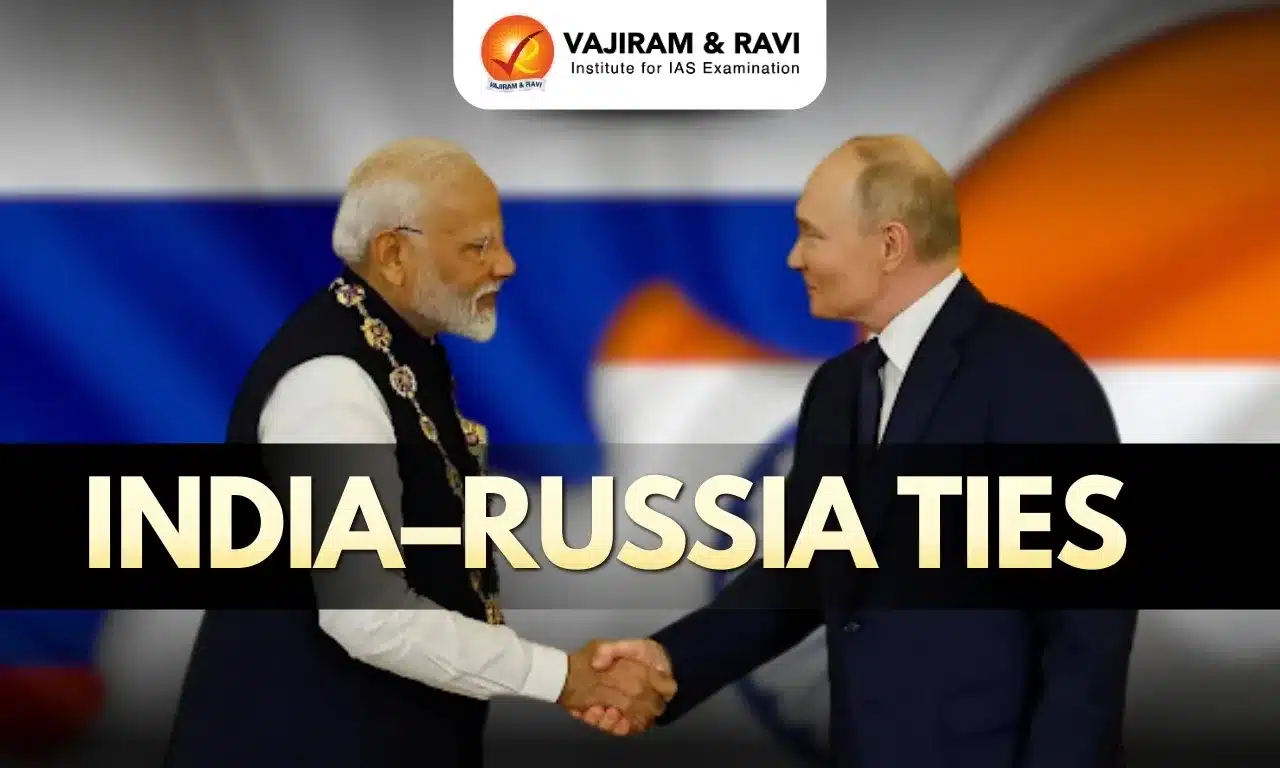
Foreign Minister S. Jaishankar isn't interested in just maintaining the status quo with Moscow. On March 23, 2026, he’s set to address a high-stakes conference in Moscow—virtually, of course—to lay out exactly how India and Russia will double their trade volume in the next four years. While the rest of the world watches the volatility in the Gulf, New Delhi and Moscow are quietly doubling down on a massive 7,200-kilometer shortcut that changes everything.
The "Russia and India: Towards a New Agenda for Bilateral Relations" conference comes at a tipping point. Just days ago, on March 18, a missile strike hit Iran’s Bandar Anzali port. For most, that’s just another headline from a messy conflict. For Jaishankar and his Russian counterpart Sergei Lavrov, it’s a direct threat to the International North-South Transport Corridor (INSTC). If you’ve been wondering why India is so obsessed with these transit routes, it’s because they’re the only way to hit that $100 billion trade target by 2030 without being held hostage by the Suez Canal or Western sanctions.
The 100 Billion Dollar Math
Let’s be real about the numbers. In the 2024-25 fiscal year, bilateral trade hit a record $68.7 billion. On paper, that looks amazing. In reality, it’s heavily lopsided because India is buying massive amounts of Russian crude oil while our exports to them are lagging. To hit $100 billion, we can't just keep buying oil; we have to start selling more.
The Indian Commerce Ministry has already identified about 300 high-potential products to bridge this gap. We're talking about:
- Pharmaceuticals: Russia spends nearly $10 billion on medicine imports, but India only provides about $550 million of that.
- Engineering Goods: There’s a multi-billion dollar vacuum left by Western firms that Indian companies are perfectly positioned to fill.
- Agriculture: From dairy to marine products, the Russian market is hungry for Indian supply, especially as they diversify away from European and Chinese sources.
If you’re a business owner in these sectors, the "New Agenda" Jaishankar is talking about is your roadmap. The government is basically saying, "We’ve built the diplomatic bridge; now go cross it."
Why the INSTC is Both a Dream and a Headache
The International North-South Transport Corridor (INSTC) is supposed to be the "Suez Killer." It connects Mumbai to St. Petersburg via Iran, cutting travel time from 40 days to about 20. It’s 40% shorter and 30% cheaper than the traditional route.
But here’s the problem: it runs straight through some of the most "kinetic" geography on the planet right now. The recent strikes in the Gulf and the South Caucasus have made logistics companies nervous. While Azerbaijan has completed its road and rail integrations, the "missing link" remains the 162-km Rasht-Astara railway in Iran. Russia has already committed to funding this, but until the trains are actually running, we’re still relying on a mix of trucks and ships that get stuck when a port gets hit.
Jaishankar’s address isn't just a "glad to be here" speech. He’s going to be pushing for faster completion of these links. India needs the INSTC to be more than a theoretical line on a map; we need it to be a hardened, reliable supply chain that can survive regional skirmishes.
The Eastern Maritime Shortcut You’re Ignoring
While everyone looks West toward the INSTC, the real action might actually be in the East. The Chennai-Vladivostok Maritime Corridor (CVMC) is already operational and carrying oil, food, and machinery. It’s a 10,370-kilometer "blue-water highway" that connects India’s east coast directly to the Russian Far East.
Why does this matter?
- Energy Security: It gives us year-round access to Russian Arctic LNG and minerals.
- Strategic Autonomy: It doesn't pass through the Suez or the volatile Middle East. It goes through the Bay of Bengal and the South China Sea.
- Balanced Trade: Russia’s Far East is desperate for labor and manufactured goods—areas where India has a massive surplus.
Ambassador Vinay Kumar has been vocal about how this corridor is "eminently possible" to scale. If you're looking at the future of Indo-Russian relations, don't just look at Moscow; look at Vladivostok.
Dealing with the Rupee-Ruble Reality
You can’t talk about trade without talking about how to pay for it. With Russia largely cut off from the SWIFT system, the transition to national currencies isn't a choice; it’s a necessity. Most of our trade is already being settled in Rupees and Rubles. This sounds great for "de-dollarization" fans, but it creates a massive "Rupee pile" in Russian banks that they don't always know how to spend.
This is why the 300-product export list is so critical. For the trade to be sustainable, Russia needs to be able to use those Rupees to buy Indian tractors, medicines, and electronics. Jaishankar is expected to address these payment bottlenecks because, frankly, no amount of connectivity matters if the money can’t move.
What This Means for You
If you’re waiting for India-Russia relations to "cool off" because of Western pressure, you’re going to be waiting a long time. The 2026 conference is a signal that the partnership is moving from "historical friendship" to "hardcore economic integration."
Here is what to watch for in the coming months:
- Free Trade Agreement (FTA): Negotiations with the Eurasian Economic Union (EAEU) are expected to accelerate. This would slash tariffs on those 300 key products.
- Logistics Tech: Keep an eye on digital customs and unified logistics platforms. They’re trying to make moving a container from Mumbai to Moscow as easy as shipping a parcel from Delhi to Bangalore.
- Manpower Mobility: There’s a growing push to train an "Indian Russia-ready workforce"—skilled youth who can work in Russian tech, construction, and healthcare.
The "choppy waters" Jaishankar refers to are real, but the strategy is clear: build more routes, trade in more currencies, and ignore the noise. If you're in the export-import business, it's time to stop looking at Russia as a "risk" and start looking at it as a $100 billion opportunity.