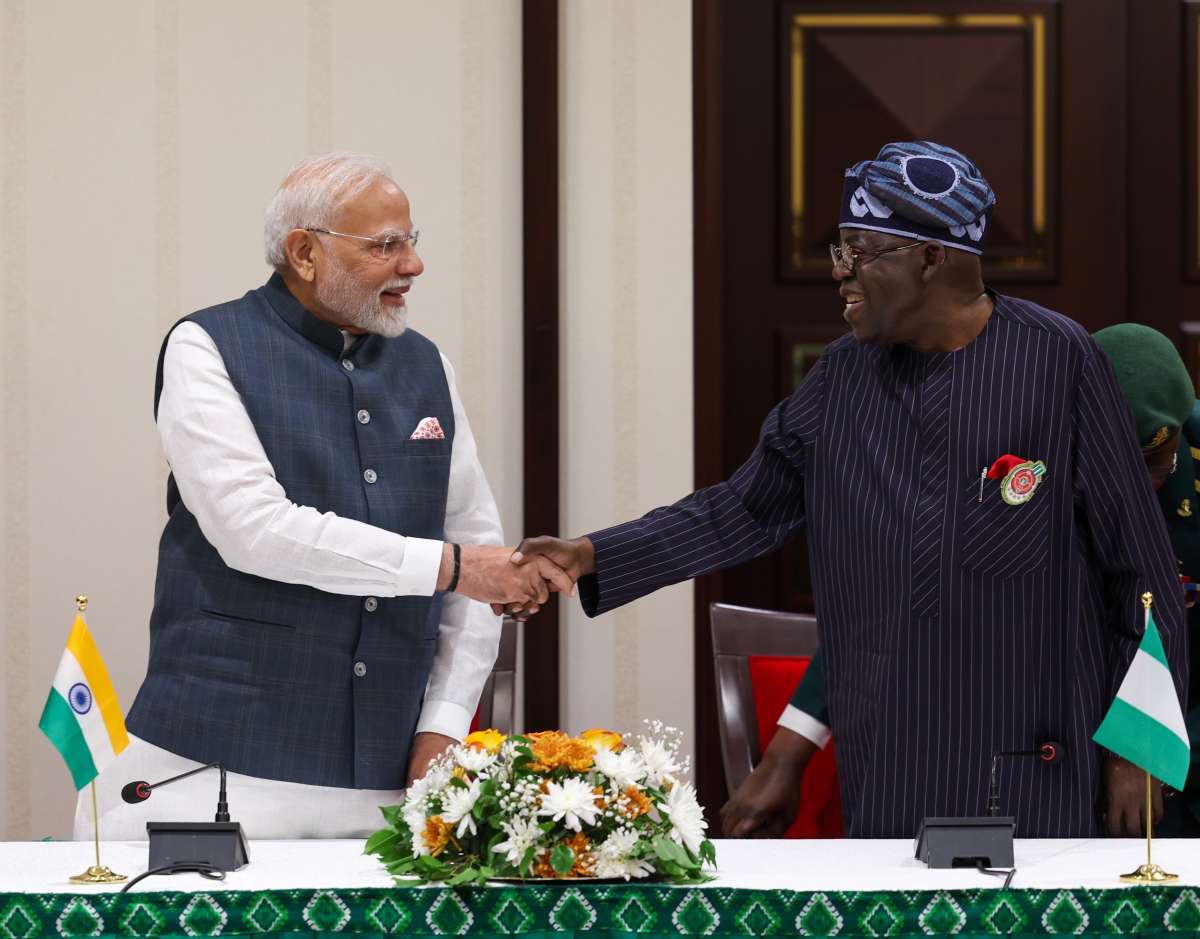
Every diplomatic press release regarding the Global South sounds like a recycled script from a 1970s non-aligned summit. Narendra Modi meets Nigerian Vice President Kashim Shettima, speeches are exchanged about a multipolar world, capacity-building gets praised, and everyone pats themselves on the back for championing multilateral cooperation. It is diplomatic theater at its finest, comforting, predictable, and completely divorced from the hard-nosed economic reality on the ground.
The lazy consensus says that shared historical grievances and rhetoric about reforming international institutions will automatically translate into meaningful economic integration between New Delhi and Abuja. That view treats international relations like a university seminar where good intentions equal outcomes. I have watched billions of dollars in bilateral trade potential get suffocated by precisely this kind of rhetorical fluff.
Let us dismantle the illusion right now. Multilateralism is not a strategy; it is a shield used by nations that lack the bilateral leverage or the internal regulatory fortitude to force structural change. When leaders lean on the crutch of a multipolar order, they are usually avoiding the painful, unglamorous work of fixing supply chains, reforming currency controls, and building direct private-sector conduits that bypass bloated state apparatuses.
The Trade Deficit Reality Check
Look at the raw numbers. India is one of the largest buyers of Nigerian crude oil, pumping billions of dollars of hard currency into the West African giant's economy. In return, Nigeria imports refined petroleum products, pharmaceuticals, and machinery from India. On paper, it looks like a balanced, symbiotic relationship.
Scratch the surface, and the asymmetry becomes glaring. Nigeria is essentially exporting raw energy and importing finished value, replicating the exact colonial extraction model that its leaders love to decry at United Nations General Assembly sessions. Praising capacity-building while ignoring the structural trade imbalance is like commending a patient for their stamina while a surgeon bleeds them dry.
Real economic sovereignty does not come from signing memorandums of understanding on digital public infrastructure or joint counter-terrorism task forces. It comes from hard currency liquidity, reliable shipping corridors, and independent payment systems that do not rely on Western clearing houses or bureaucratic multilateral forums that move at the speed of geological drift.
When Nigerian businesses try to source Indian pharmaceuticals or agricultural technology, they run straight into a brick wall of foreign exchange scarcity and chaotic capital controls managed by the Central Bank of Nigeria. New Delhi can offer all the training programs and technical assistance it wants, but if an Abuja-based importer cannot clear letters of credit because the local currency is melting against the dollar, the partnership remains trapped in a holding pattern of polite press releases.
Why Capacity Building is a Convenient Distraction
We need to talk about the fetishization of capacity building. Developed and emerging powers alike love to package technical training programs as foreign policy wins. It costs very little, generates great photo ops, and shifts the burden of underdevelopment back onto the recipient nation's human capital.
The underlying premise is flawed. Nigeria does not suffer from a lack of capable minds, engineers, or entrepreneurs. The country has some of the most dynamic startup ecosystems, financial wizards, and informal trading networks on the planet. What is missing is not technical training. What is missing is infrastructure, reliable power, and a regulatory regime that does not penalize productivity.
When Indian firms set up shop in Lagos or Kano, they do not succeed because of bilateral goodwill protocols signed in ministerial chambers. They succeed despite them, relying on private generators, private security, and private logistics networks to bypass a crumbling public infrastructure. Pretending that a shared commitment to a multipolar order fixes a potholed highway or an erratic electrical grid is an insult to the intelligence of anyone trying to run a payroll on the African continent.
Let us be completely honest about the downside of this critique. Dismissing multilateralism as empty theater can sound cynical, even dismissive of the genuine diplomatic leverage that developing nations gain by standing together in global forums like BRICS or the G20. There is utility in numbers when negotiating debt restructuring or vaccine access.
Yet, utility in a board room does not equal economic transformation on the street. Global South solidarity has never fed a family or cleared customs at the port of Lagos.
The Bilateral Pivot That Actually Matters
If India and Nigeria want to move past the sterile script of diplomatic pleasantries, they need to stop talking about global governance and start focusing on hard commercial mechanics.
First, trade must be denominated in local currencies. The obsession with third-party currencies like the US dollar for bilateral settlement between New Delhi and Abuja is an absurdity that drains both nations' foreign reserves. Establishing a direct rupee-naira trade settlement mechanism is not just a clever financial trick; it is an act of economic liberation that cuts out middle-men banks and transaction friction.
Second, the focus must shift from state-to-state photo ops to private-equity-led joint ventures in manufacturing, fintech, and agricultural processing. Nigerian agriculture wastes up to forty percent of its yield post-harvest due to a lack of cold-chain logistics and processing facilities. India has world-class food processing technology and cooperative models that could revolutionize West African supply chains. That requires direct B2B investment, not another ministerial committee.
Stop waiting for the multipolar order to save you. The future belongs to nations that build bilateral plumbing, not those that admire multilateral architecture.


