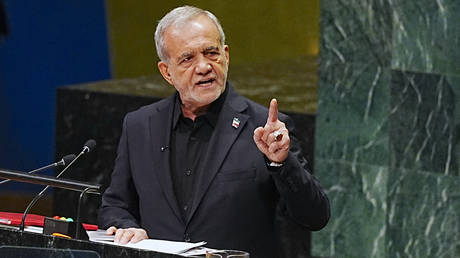
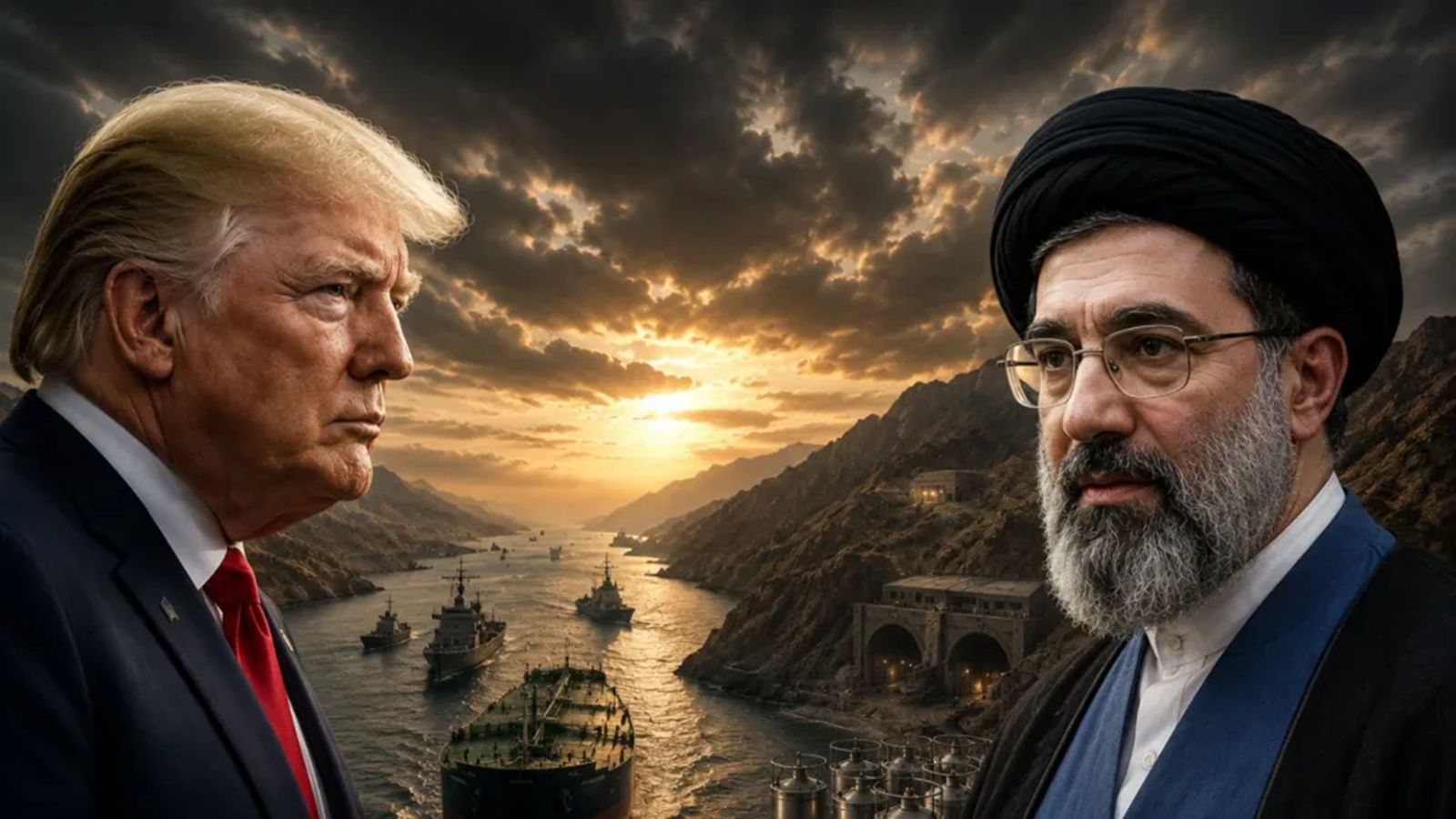
Diplomatic theaters in Manhattan rarely alter historical trajectories, yet the recurring illusion of an impending US-Iran breakthrough persists through every diplomatic cycle. Beneath the polished veneer of backchannel communications in New York, a stark reality governs Washington and Tehran. Concrete compromise remains functionally impossible under the weight of mutually exclusive preconditions. Every diplomatic flurry collapses against structural distrust, domestic political posturing, and an unyielding standoff over nuclear thresholds and regional hegemony.
To understand why these high-level maneuvers routinely stall, one must examine the mechanics of domestic survival in both capitals. For Tehran, maintaining an posture of defiance is not merely a foreign policy choice. It is an existential requirement for regime legitimacy. When Iranian officials engage Western interlocutors, they operate under rigid ideological constraints that treat concessions as fatal vulnerabilities. Washington faces an equally constrained environment. Bipartisan hostility toward the Iranian leadership leaves zero political oxygen for preemptive relief of economic pressure without prior, verifiable capitulation.
The Architecture of Distrust
Decades of broken agreements have created a security architecture built entirely on suspicion. When diplomats exchange position papers in New York, neither side expects the other to comply with long-term stipulations without immediate enforcement mechanisms.
Consider a hypothetical enforcement scenario regarding uranium enrichment limits. Washington demands total verifiability before lifting sanctions. Tehran counters that sanctions must drop completely before any infrastructural rollback begins. This sequencing paradox breaks every mediation attempt. Neither side can afford to move first because the political cost of betrayal outweighs the theoretical gains of a settlement.
The friction extends far beyond the nuclear file. Maritime security in the Strait of Hormuz, proxy network financing across the Middle East, and regional missile proliferation form an interconnected matrix of conflict. Solving one variable in isolation is impossible. If the United States demands a cessation of regional proxy support as a prerequisite for talks, Tehran views the demand as an attempt to dismantle its primary strategic deterrent. Conversely, if Washington ignores proxy behavior to secure a nuclear-only accord, regional allies view the diplomatic track as an existential threat to their security.
The Cost of Performative Diplomacy
Diplomacy conducted for the sake of optics often achieves the opposite of its stated intent. When international media outlets report on secret summits or flurry of UN-adjacent meetings, financial markets react, speculative hopes rise, and political factions on both sides mobilize to sabotage the process.
Hardliners in Tehran utilize the mere fact of engagement to rally domestic opposition against perceived capitulation. In Washington, domestic critics weaponize any diplomatic contact as evidence of appeasance. This dynamic turns every negotiation table into a domestic political battleground. Officials spend more energy defending themselves against internal factions than constructing mutually acceptable language.
The structural deadlock is reinforced by military calculations. Both governments operate under the assumption that projecting resolve is the only way to deter escalation. Consequently, diplomatic overtures run parallel to force buildups, maritime restrictions, and cyber confrontations. A diplomatic note delivered in New York is frequently paired with a kinetic threat or a new round of economic penalties announced in Washington. This dual-track reality ensures that trust remains permanently out of reach.
Navigating the Impasse
Breaking this cycle requires acknowledging that a comprehensive grand bargain is an analytical fiction. The structural gaps are simply too wide to bridge in a single diplomatic sprint. Incremental, low-visibility confidence-building measures offer the only viable alternative to perpetual crisis, yet even these modest steps founder whenever domestic political pressures spike.
Until both governments find a way to decouple routine diplomacy from existential survival narratives, New York will remain merely a stage for diplomatic theater. The grand breakthroughs heralded by optimistic analysts dissolve the moment negotiators confront the unyielding architecture of mutual hostility. There is no hidden formula or clever diplomatic phrasing capable of bypassing structural opposition when neither side possesses the political capital to absorb the risk of peace.
US Iran diplomatic talks fail to break the deadlock
This video provides an overview of how diplomatic talks between the United States and Iran continue to teeter between potential negotiations and imminent escalation without finding a permanent resolution.