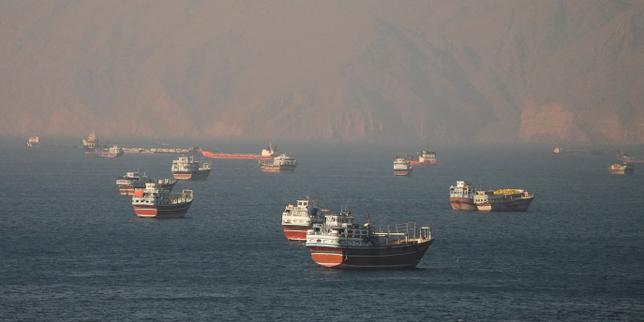
An electronic signature on a digital framework agreement does not clear a maritime choke point prone to decades of geopolitical friction. While Washington celebrates a diplomatic breakthrough in the Middle East and promises that the Strait of Hormuz will be fully open by Friday, the reality on the water tells a far more complicated story. Shipping conglomerates are not altering their routes just yet. Insurers are keeping premiums at historic highs. The announcement may stabilize global markets for a trading session, but the underlying mechanics of regional escalation remain entirely untouched.
This sudden diplomatic pivoting relies on an framework accord that binds two warring factions through digital verification. On paper, it guarantees a cessation of hostilities along critical shipping lanes and establishes a demilitarized corridor. In practice, it acts as a temporary band-aid on a deep, systemic wound. You might also find this related story interesting: The Anatomy of Peace Agreements: A Brutal Breakdown of the US Iran Memorandum.
To understand why this deal is teetering before the ink—or rather, the pixel—is even dry, one must look past the political theater and examine the structural realities of global trade logistics, regional proxy networks, and enforcement mechanisms.
The Friction Behind Electronic Frameworks
Diplomacy moves fast when political survival is on the line. The use of an electronically signed framework agreement underscores the desperation of all parties to secure a quick public relations victory. By bypassing the months of formal, in-person summits that traditionally define major Middle Eastern peace accords, negotiators secured a rapid commitment. As highlighted in recent articles by The New York Times, the effects are widespread.
But speed breeds vulnerability.
A framework agreement is not a treaty. It is a statement of intent, a non-binding roadmap that outlines what a future treaty might look like if everyone decides to behave. By relying on electronic signatures, the parties involved skipped the grueling process of hammering out the fine print.
Who monitors the corridor? What constitutes a breach? If a state-backed militia launches a drone that crashes five miles away from a tanker, does that invalidate the entire accord? None of these questions have concrete answers in the text. The document acts as an immediate political shield for Western leaders facing intense domestic pressure over energy prices, but it provides zero operational security for the captains steering 300,000-ton supertankers through a narrow, contested waterway.
Why the Strait of Hormuz Stays Volatile
The assertion that the Strait of Hormuz will be completely open by Friday ignores the physical and military realities of the region. This is a narrow strip of water where the shipping lanes are only two miles wide in either direction. It cannot be flipped open or closed like a light switch.
[Persian Gulf] ---> [Strait of Hormuz: 2-Mile Shipping Lanes] ---> [Gulf of Oman]
                           |
            [Asymmetric Threats: Mines & Submarines]
Over the last several years, the threats in the strait have evolved from conventional naval confrontations to highly asymmetric warfare. The waters are laced with a legacy of unmapped naval mines, fast-attack craft hidden in rocky coves, and shore-based anti-ship missiles.
- The Mine Disposal Deficit: Even if every faction orders a total freeze on hostilities today, clearing the shipping lanes of potential floating hazards takes weeks of coordinated minesweeping operations.
- The Chain of Command Problem: Rogue elements and autonomous proxy groups operating along the coast do not always take immediate cues from a centralized government that signs a digital document.
- The Re-routing Lag: Commercial shipping fleets operate on tight schedules planned weeks in advance. A container ship currently diverted around the Cape of Good Hope cannot instantly turn around because of a press conference.
The maritime industry operates on predictability, not political optimism. Lloyd’s Joint War Committee has not downgraded the risk rating for the Persian Gulf, and until those risk assessments change, the strait remains effectively constricted by financial barriers, if not physical ones.
The Quiet Rebellion of Marine Insurers
The true metric of peace in the Middle East is not found in government statements, but in the actuarial tables of London maritime insurers. For months, war risk premiums for vessels transiting the region have hovered at extortionate levels, sometimes adding hundreds of thousands of dollars to the cost of a single voyage.
When the news of the electronic signature broke, underwriting desks did not slash their rates. They held them steady.
Insurance underwriters know that a framework agreement does not eliminate the weapon systems currently pointed at the shipping lanes. They also know that electronic agreements can be repudiated with a single click or a well-timed cyberattack. If a state claims its digital signature was compromised or executed by an unauthorized official, the entire legal basis for the ceasefire dissolves instantly.
"A signature stops the political rhetoric, but it doesn't remove the missile batteries from the coastline."
Consequently, the cost of moving goods will remain high. Shipping companies will pass these costs down the supply chain, meaning consumers will see little relief at the pump or on retail shelves despite the triumphant announcements dominating the news cycle.
The Hidden Failure of Digital Enforcement
We live with the assumption that digital solutions bring transparency. In international diplomacy, they often do the opposite, introducing new layers of deniability and ambiguity.
If one side violates the agreement, the path to accountability is completely obscured. In traditional treaties, physical observers or neutral third-party forces are stationed on the ground to witness compliance. This electronic framework relies heavily on remote satellite monitoring and automated data feeds to track vessel movements and military positioning.
This sets up a dangerous vulnerability to electronic warfare. The region is already a hotbed for GPS spoofing, where commercial ships suddenly find their navigation systems indicating they are miles inland or in hostile waters. When an automated system triggers an alert based on spoofed data, who decides if the framework has been violated?
The potential for a technical glitch or a localized cyber operation to trigger a renewed shooting war is exceptionally high. The agreement creates a fragile ecosystem where automated defense networks remain on hair-trigger alert while politicians pretend the crisis has been resolved.
The Missing Signatures That Actually Matter
The most glaring flaw in this diplomatic triumph is the list of people who were not invited to the digital signing table. While major state actors finalized the text, the regional non-state actors, paramilitary groups, and independent insurgent factions who actually pull the triggers along the coastline were excluded.
History shows that top-down peace agreements in this region routinely fail when they ignore the ground-level operators. A localized militia commander with a stockpile of anti-ship missiles holds more practical veto power over the Strait of Hormuz than any politician in a distant capital.
These groups thrive on instability. They derive their funding, legitimacy, and power from a state of perpetual conflict. A sudden outbreak of peace threatened by a distant framework agreement directly undermines their survival. It takes only one rogue drone strike from an unaffiliated actor to shatter the illusion of an open strait and send oil prices spiking right back to where they started.
The Strategy Behind the Scramble
The frantic push to secure this deal reveals more about Western economic anxiety than a genuine shift in Middle Eastern geopolitics. Inflationary pressures and volatile energy markets have left major economies deeply exposed. A prolonged closure or restriction of the Strait of Hormuz would trigger severe economic fallout, making a diplomatic intervention a matter of domestic necessity.
By branding this framework as an immediate resolution, governments hope to calm speculative markets and force a downward trend in oil prices. It is an exercise in economic psychology. The goal is to project an aura of stability so convincing that the markets react as if the problem is already solved, giving negotiators the breathing room they desperately need to figure out the actual details of a long-term settlement.
This tactic works in the short term. Oil futures dipped immediately following the announcement. But market psychology is notoriously fickle, and if Friday arrives without a massive, verifiable surge in commercial traffic through the strait, the backlash from disappointed traders will likely trigger an even sharper spike in volatility.
The coming days will expose the vast gulf between diplomatic stagecraft and operational reality. Tanker captains are watching the horizons, not the news feeds. They know that a true opening of the strait requires the physical withdrawal of coastal artillery, the decommissioning of sea mines, and the verifiable stand-down of militia forces. Until those actions occur on the water, the signed document remains nothing more than a collection of secure data packets floating through cyberspace while the most dangerous shipping lane in the world remains as perilous as ever.