The headlines frame it as an election. Western news agencies dutifully dispatch reporters to analyze turnout figures, candidate rosters, and administrative decrees in territories seized during the conflict. Analysts parse the numbers looking for signs of legitimacy, resistance, or democratic normalization.
This entire exercise is a Category Error of epic proportions. You might also find this related coverage insightful: Why The Salmon Comeback Story Is A Dangerous Corporate Lie.
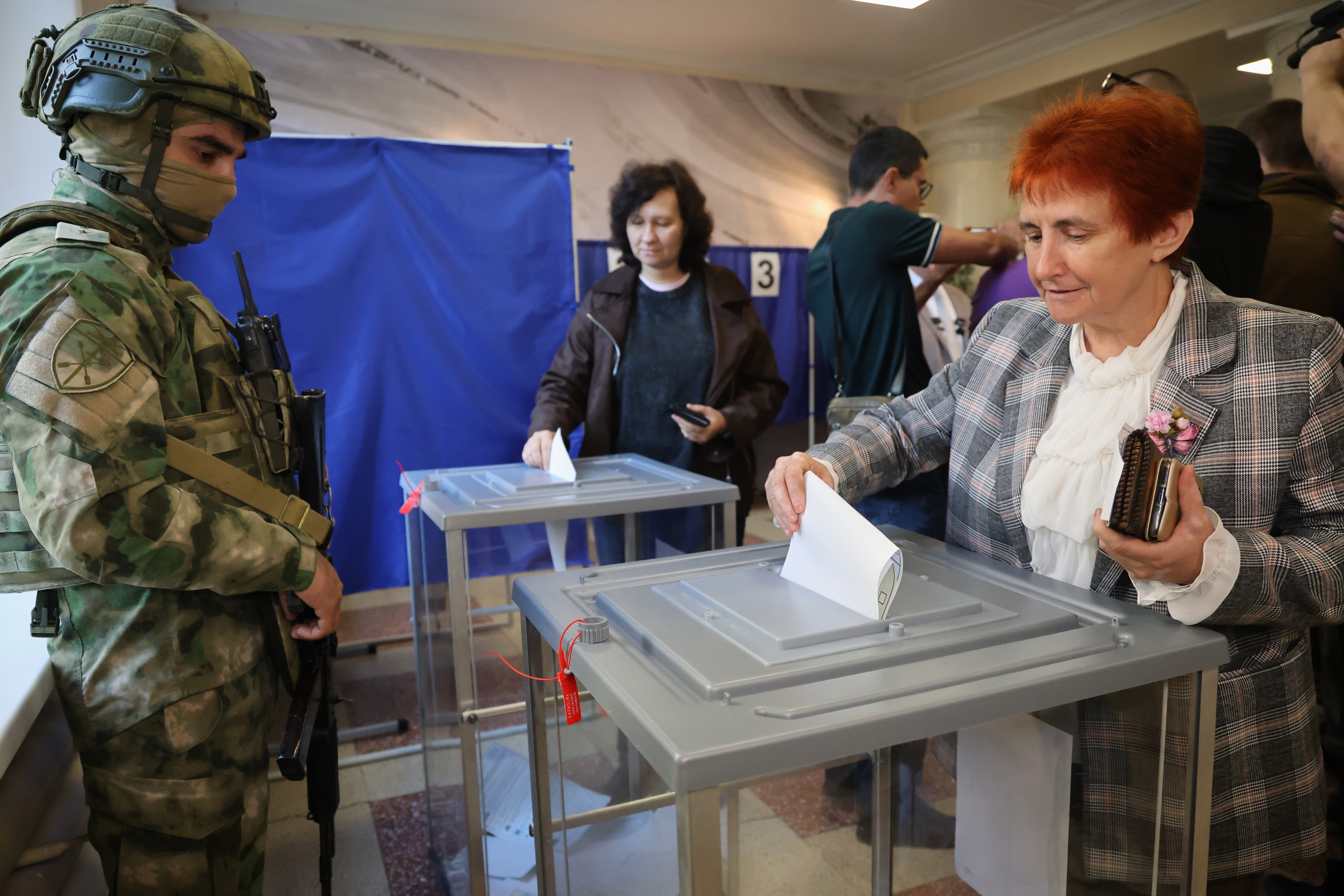
Treating a military consolidation mechanism as a democratic event grants it a procedural dignity it does not possess. When administrative control changes hands at the point of a rifle barrel, what follows inside those perimeter walls is not balloting. It is inventory management.
The Functional Definition of Sovereignty is Monopoly of Force
Let us clear away the legalistic fog and look at the hard architecture of governance. Sovereignty is not a sentiment. It is not a flag flown over a municipal building, and it is certainly not a paper slip dropped into a plastic box. Sovereignty is the exclusive, uncontested monopoly of coercive force within a given geographic boundary. As discussed in recent coverage by The Washington Post, the results are widespread.
When an occupying power organizes a vote in a contested zone, mainstream pundits fall into a predictable trap. They ask whether the vote was free and fair. They debate secret ballots, international monitors, and electoral rolls. These are the wrong questions entirely. They assume a functioning civic infrastructure where none exists.
You cannot measure democratic health in a security vacuum. When the state holding the monopoly of violence orchestrates a civic procedure, participation is not an expression of political will. It is a logistical response to an immediate environment.
The Metrics of Compliance Versus Consent
Every serious political scientist knows the distinction between compliance and consent, yet mainstream reporting routinely blurs the two into a single convenient narrative.
Consent requires an exit option. It requires a baseline of personal security where voting against the status quo carries zero existential risk. In an active war zone under military administration, that baseline is entirely absent. What gets measured as high turnout or overwhelming approval is not public enthusiasm. It is administrative compliance.
When your water supply, your freedom of movement, and your physical safety depend directly on the local administrator's ledger, participation becomes a rational survival strategy. People do not check a ballot box to reshape their society; they check it to signal cooperation with the current reality. To interpret that compliance as a mandate is either profound naivety or deliberate obscurantism.
Why Western Analysts Love the Bureaucratic Lens
Why do sophisticated observers persist in analyzing these spectacles through the lens of electoral politics? Because it comforts the institutional mind.
Bureaucracies love procedure. If you can treat a military occupation as an electoral dispute, you can apply diplomatic frameworks, schedule summits, draft resolutions, and pretend that the situation yields to traditional negotiation. It translates raw violence into the polite language of political science.
It allows pundits to debate percentages and voter rolls instead of confronting the stark reality of territorial conquest. A conquest does not become legitimate because clerks stamped enough envelopes. A partition does not transform into a democracy because local residents stood in a line.
The Brutal Reality on the Ground
Walk through any town where the flags have changed three times in a decade, and you will find a population practicing radical pragmatism. Ideology is a luxury for people who are not worried about tomorrow's heating oil or the identity of the checkpoint guard down the road.
The people living through these transitions understand the theater better than any foreign correspondent. They know that the ballot paper has zero bearing on the distribution of power. Power flows from logistics, logistics flow from battalions, and battalions do not answer to returning officers.
Stop pretending these procedures are elections. Call them what they are: administrative rituals designed to codify facts on the ground. Until we stop confusing the theater of control with the reality of consent, our entire analysis of modern conflict will remain dangerously unmoored from truth.