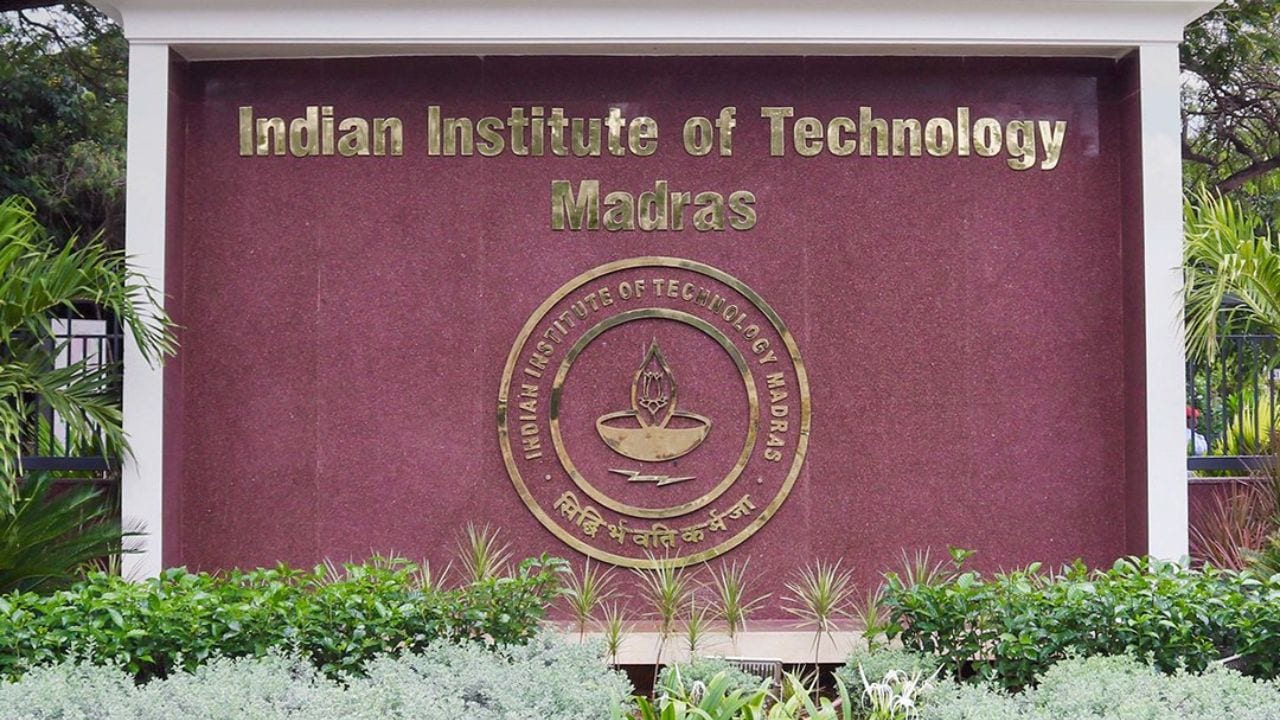
The Indian Institute of Technology Madras has officially opened a startup hub in California, signaling a major shift in how India's premier engineering institutions view their role in the global economy. This isn't just another satellite office or a ceremonial ribbon-cutting. It is a strategic bridge designed to move Indian deep-tech ventures out of the domestic laboratory and directly into the world’s most aggressive venture capital ecosystem. By establishing a physical presence in the San Francisco Bay Area, IIT Madras is betting that Indian intellectual property can finally shed its reputation for being "back-office support" and emerge as a front-line competitor in global markets.
For decades, the standard path for an IIT graduate was clear: excel in academics, secure a visa, and join a Big Tech firm in Silicon Valley. This resulted in a massive brain drain that benefitted US corporations while leaving India’s domestic R&D scene struggling for oxygen. The new California center attempts to flip that script. Instead of exporting talent to work for others, the goal is to export entire companies that remain tethered to the Indian ecosystem while operating on a global scale.
The Silicon Valley Pressure Cooker
Opening a center in California is a move born of necessity rather than vanity. Deep tech—which includes hardware, biotech, quantum computing, and advanced materials—requires immense capital and long development cycles. India’s venture capital scene, while growing, remains heavily skewed toward consumer-facing apps, fintech, and e-commerce. These sectors offer quicker exits and predictable returns. Deep tech is different. It is expensive, risky, and often takes a decade to reach profitability.
Silicon Valley remains the only place on earth with the concentration of "patient capital" and technical mentors who understand these timelines. By placing its startups in this environment, IIT Madras is forcing them to compete at the highest level. They are no longer big fish in the small pond of Chennai’s Research Park. They are now competing for attention against Stanford and MIT spin-offs. This transition is brutal. It requires a total overhaul of how these founders pitch, how they protect their patents, and how they scale their operations.
Solving the Validation Gap
One of the most significant hurdles for Indian deep-tech firms is the perceived "validation gap." Investors in the West often view Indian technology through a skeptical lens, questioning if it can meet global regulatory standards or survive in high-cost markets. A physical presence in California acts as a stamp of legitimacy. It allows founders to walk into Sand Hill Road offices not as outsiders, but as local players.
The center provides more than just desk space. It offers a network of successful IIT alumni who have already climbed the Silicon Valley ladder. These mentors provide the "soft" intelligence that is often missing from academic-led startups: how to navigate US labor laws, how to structure a Delaware C-Corp, and how to tell a story that resonates with American investors.
Beyond the Hype of the Startup India Narrative
While the official rhetoric surrounding this launch is celebratory, the reality on the ground is more complex. India’s domestic ecosystem still lacks the infrastructure to support deep tech from infancy to maturity. Many of the companies moving to the California center are doing so because they have hit a ceiling in India.
The "Make in India" initiative has succeeded in boosting assembly and manufacturing, but it has been slower to support the fundamental science that drives deep tech. If a startup requires specialized cleanrooms, high-end semiconductor testing, or specific biological reagents, they often find Indian supply chains lacking. The California move is, in part, a workaround for these domestic deficiencies. It allows startups to access high-end US infrastructure while maintaining their core R&D teams back in India where costs are lower.
The Double Edged Sword of US Capital
Accepting US venture capital comes with strings attached. Most American VC firms require the "flip"—a process where the Indian company creates a US-based parent entity, effectively making the Indian operation a subsidiary. While this makes the startup more investable, it also means the wealth and intellectual property rights often migrate out of India.
IIT Madras is navigating a narrow path here. They want their startups to succeed, but they also want to ensure that the "deep" part of deep tech stays rooted in the Indian academic system. If the California center simply becomes a pipeline for Indian inventions to be bought and absorbed by US giants, the mission of building a sovereign Indian tech base will have failed.
The Infrastructure of Innovation
To understand why this move matters, one must look at the specific sectors IIT Madras is championing. We are talking about companies working on satellite propulsion, wearable medical devices that can predict heart attacks, and AI models designed specifically for low-resource languages.
These aren't "me-too" products. They are solutions to hard engineering problems. In the Chennai research park, these founders have access to some of the brightest minds in the country, but they lack the market proximity. A medical device startup needs to be near the FDA and major US hospital networks to understand the regulatory hurdles they face. A space-tech startup needs to be in the room with global aerospace players.
The Talent Retention Strategy
The most subversive aspect of the California center is its potential to stem the brain drain. In the past, a brilliant IIT researcher would have to choose between staying in India for a modest salary or moving to the US for a lucrative corporate job. Now, there is a third option: start a company in India, move to California to scale it, and retain a significant stake in the future of the technology.
This creates a "brain circulation" rather than a brain drain. It allows the Indian ecosystem to benefit from the expertise and capital of the West without losing its best minds forever. However, this model only works if the Indian government and private sector continue to improve the ease of doing business back home. If the friction of operating in India remains too high, these founders will eventually cut ties with the mother institution and fully integrate into the US.
The Global Competitive Reality
The US and China are currently locked in a race for dominance in critical technologies. India is often viewed as a swing state in this technological Cold War. By deepening its ties with Silicon Valley, IIT Madras is positioning its startups within the Western technological sphere of influence. This has geopolitical implications.
Deep tech is increasingly viewed through the lens of national security. Technologies like quantum encryption or advanced semiconductors are no longer just business opportunities; they are strategic assets. For Indian startups to thrive in this environment, they need to be seen as reliable partners by both the Indian government and Western markets. The California center serves as a neutral ground where these relationships can be forged.
The Risk of Cultural Mismatch
There is a fundamental difference between the academic culture of an IIT and the "move fast and break things" culture of Silicon Valley. Indian academic startups are often characterized by technical brilliance but commercial timidity. They tend to over-engineer products while under-investing in marketing and sales.
The California hub is a forced immersion program. Founders who are used to being the smartest person in the room will find themselves in a place where everyone is smart, but the winners are those who can sell a vision. This cultural shift is often painful. It involves letting go of the "perfect" prototype in favor of a "good enough" product that can win a market.
A Blueprint for Other Institutions
If the IIT Madras California center succeeds, it will likely be copied by other elite Indian institutions like the Indian Institute of Science (IISc) or other IITs. This would create a network of Indian innovation outposts across the globe.
But success is not guaranteed. The history of international "innovation hubs" is littered with expensive failures—offices that became glorified co-working spaces with no real impact on the bottom line. For this center to work, it must move beyond networking events and focus on the hard metrics: capital raised, patents filed, and revenue generated in the US market.
The era of India as merely a service provider is ending. The arrival of IIT Madras in California is a declaration that the country is ready to own the underlying technology that runs the world. It is a high-risk gamble that seeks to turn the "IIT" brand into a global symbol of entrepreneurial power, not just engineering proficiency. The stakes are nothing less than the future of India's position in the global value chain.
The transition from the lab to the global market is a gauntlet. Many will fail. But for those that survive the pressure of the California hub, the reward is a seat at the table where the next century of technology is being written. Founders must now decide if they are ready to stop being students of the world and start being its architects.