Viktor Orbán is playing a high-stakes game of chicken with the European Union, and this time, there's no sign he’s planning to veer off course. While the rest of the bloc is scrambling to get a €90 billion loan package to Kyiv before the money runs out in April, Budapest has slammed the brakes. It isn’t just about the money. It’s a calculated, multifaceted blockade that ties Ukraine’s survival to Hungary’s domestic energy prices and a looming national election.
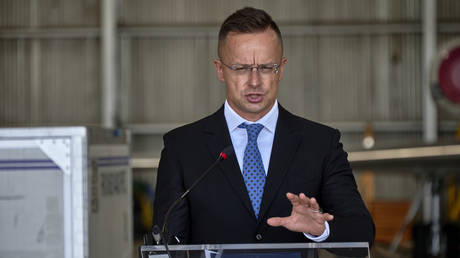
If you’re looking for a "bitter compromise" or a sudden change of heart from the Hungarian side, don’t hold your breath. The rhetoric coming out of Budapest right now is some of the most aggressive we’ve seen in years. Hungary’s Foreign Minister Péter Szijjártó has been blunt: no oil, no loan. The deadlock centers on the Druzhba pipeline, the landlocked nation's literal lifeline for Russian crude. Until Kyiv fixes the damage and gets the taps flowing again, Hungary is quite happy to watch the EU's financial plans gather dust.
The Druzhba pipeline is the ultimate bargaining chip
For Orbán, the math is simple. Hungary and Slovakia still rely heavily on Russian oil—a reality that makes them outliers in a Europe trying to pivot away from Moscow. When Russian strikes hit Ukrainian energy infrastructure this past winter, the Druzhba pipeline went dark. Ukraine says it's doing its best to repair the "extensive" damage while under constant fire. Hungary, however, isn't buying that excuse.
Budapest has characterized the outage as "political blackmail" coordinated by Kyiv and Brussels to hike Hungarian fuel prices. By blocking the €90 billion loan, Orbán is attempting to flip the script. He’s essentially telling Volodymyr Zelenskyy that if Ukraine wants the funds to keep its government running and its soldiers fed, it needs to prioritize the very pipeline that helps fund Russia’s war chest. It’s a messy, circular logic that has left EU diplomats fuming.
Why the EU can't just vote around Hungary
You’d think the EU would have a workaround for one country holding up the entire continent. Usually, they do. Most of the regulations for this loan can be passed with a "qualified majority"—basically, a big enough group of countries to override a lone dissenter. But here’s the catch: the loan is backed by the EU’s long-term budget (the Multiannual Financial Framework).
Changing that budget requires unanimity.
Every single member state has to say yes. By refusing to sign off on the budget amendment, Hungary has found the one structural crack in the EU’s legal foundation where it can exert maximum leverage. While 26 other countries are ready to move, Orbán holds the key to the safe. This isn't just a technical delay; it’s a violation of the "gentleman’s rule" in Brussels where leaders agree on a policy and then let the lawyers handle the paperwork without further drama. Orbán has officially set that rulebook on fire.
The April election factor
If you want to understand why Orbán is being so pugnacious right now, look at the calendar. Hungary goes to the polls on April 12. For the first time in sixteen years, Orbán’s Fidesz party is facing a legitimate threat from an opposition leader, Péter Magyar, who is currently leading in many polls.
Orbán's campaign strategy is basically "Hungary First" on steroids. He’s framing the election as a choice between peace and war. In his narrative, the opposition are "puppets" of Kyiv and Brussels who want to drag Hungarian sons into a trench in the Donbas. By blocking the Ukraine loan, he gets to play the role of the "sole guarantor" of Hungarian prosperity and security. He's telling his base that he’s the only one standing between them and skyrocketing energy bills caused by Ukrainian "sabotage."
The hostage situation in Budapest
Tensions reached a bizarre peak recently when Hungarian authorities detained seven employees of Ukraine’s state-owned Oschadbank. They were allegedly carrying nearly $100 million in cash and gold. Hungary claims it's a money-laundering investigation; Ukraine calls it "state terrorism" and "hostage-taking." When you have NATO allies accusing each other of racketeering, you know the diplomatic bridge isn't just cracked—it's gone.
What happens if the money doesn't flow
Ukraine’s funding gap for 2026 and 2027 is massive. Even if the €90 billion loan eventually passes, there’s still a €30 billion hole that the EU is begging "third countries" to fill. If the Hungarian veto holds through the April election, Kyiv faces a literal "April cliff" where it could run out of cash for basic state functions.
- Kyiv runs out of money: Without the EU loan, Ukraine can't pay civil servants or maintain its domestic economy while fighting a war of attrition.
- The "Plan B" problem: There is talk of a "Plan B" involving 26 countries providing bilateral guarantees, but this is a legal nightmare that would take months to set up—months Ukraine doesn't have.
- Russian leverage: Every day the EU looks divided is a win for the Kremlin. Moscow has already hinted that energy supplies to Hungary will remain stable as long as Budapest keeps its current "policy" in place.
Don't expect a quick fix
The European Council summit on March 19–20 is the next big showdown. EU leaders will try to pressure Orbán into a face-saving deal, perhaps offering more flexibility on frozen EU funds for Hungary in exchange for his Ukraine vote. But with an election just weeks away, Orbán has very little incentive to look like he’s giving in to "Brussels bureaucrats."
For now, the strategy in Budapest is simple: hold the line, blame Kyiv for the cold, and use the veto to squeeze every possible concession out of a desperate European Union. If you're betting on a compromise before mid-April, you’re likely betting against a man who has made a career out of never backing down.
Follow the European Council's official updates on the Multiannual Financial Framework to see if any technical workarounds emerge before the March 19 summit. Keep a close eye on Hungarian fuel price interventions, as these will be the first signal of whether Orbán feels the domestic pressure is easing or intensifying.


