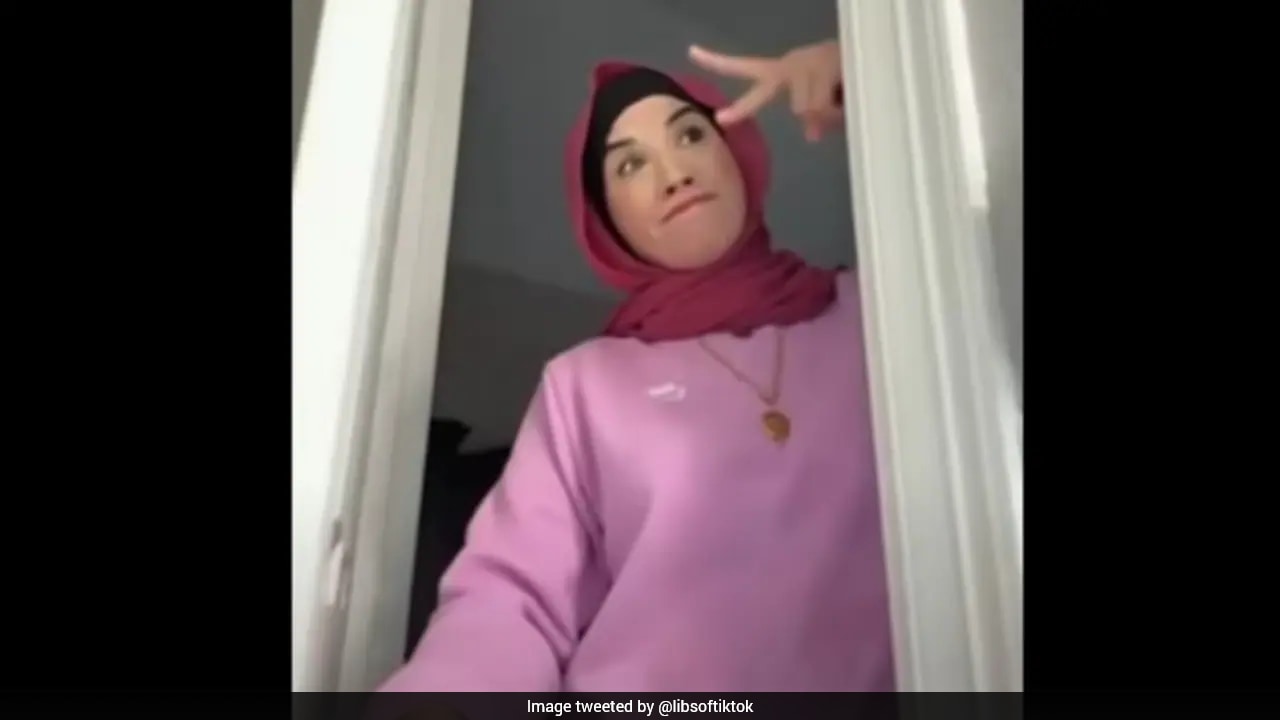
You walk into a patient's hospital room, see Fox News playing on the television, and immediately turn around to walk out. Then, you decide the best course of action is to film yourself talking about it and post the footage on TikTok.
That is exactly how a contract nurse under the social media handle "Nurse Ahlam" managed to lose her job at the University of Texas Medical Branch (UTMB). After the video gained traction online, the healthcare facility suspended her access, launched a swift internal probe, and terminated her contract. You might also find this similar article interesting: Inside the Child Drowning Crisis Nobody is Talking About.
It is a messy situation that shines a harsh light on an ongoing problem. Healthcare workers are continuously treating hospital corridors like personal content studios, completely forgetting that the internet is permanent and professional ethics still apply when the camera starts rolling.
The Collision of Politics and Healthcare Ethics
The core issue here goes far beyond a simple disagreement over cable news networks. When you enter the medical field, you take an oath to treat every individual with the same level of standard care, regardless of their background, religion, or political alignment. As extensively documented in recent coverage by WebMD, the implications are widespread.
Suggesting, even jokingly, that a patient's media preference determines the quality or immediacy of the medical attention they receive compromises the baseline trust required between a provider and a community. UTMB made its stance clear by terminating the contractor, stating that the organization prioritizes patient safety and unbiased care above all else.
But the internet fallout did not stop at a simple firing. Once the video hit mainstream social media channels, it ignited a massive wave of public backlash. Critics quickly flooded online spaces demanding that the nurse be reported to the Texas Board of Nursing for disciplinary action against her license. Others used the moment to broadly criticize the hospital's hiring processes, proving that one individual's viral moment can easily damage the institutional credibility of an entire healthcare network.
The Cost of the Clickbait Mentality in Medicine
This Texas incident is not a rare anomaly. It is part of a broader, frustrating pattern of healthcare professionals risking their careers for brief moments of digital clout.
Consider the massive controversy at Emory Healthcare in Atlanta, where a group of labor and delivery nurses posted a TikTok trend video detailing their personal "icks" regarding patients. They openly mocked women who complained about pain levels or asked for a shower during induction. The hospital administration identified the employees and fired them within days.
Then there is the case of Lexie Lawler, a nurse at Baptist Health Boca Raton Regional Hospital who was terminated after a graphic social media video surfaced where she targeted White House Press Secretary Karoline Leavitt with severe childbirth ill-wishes. In every single one of these instances, the defense is usually the same: "I was just blowing off steam."
Blowing off steam used to happen in the breakroom over lukewarm coffee. Now, it happens in front of a front-facing camera with global distribution. The moment you broadcast your professional frustrations or personal biases to the public, you shift from a stressed worker to a massive liability.
What Social Media Policies Look Like in the Real World
If you are a nurse or medical professional, you need to understand that your employer does not need a hyper-specific rule banning every single TikTok trend to fire you. Most hospital code of conduct agreements rely on broad, ironclad clauses regarding professional standards and public representation.
- The Unbiased Care Standard: Hospitals must ensure that patients feel safe entering their facilities. If a nurse implies that a patient will receive sub-par treatment based on what they watch on TV, the hospital faces massive civil liability and potential civil rights violations.
- Brand Reputation Management: Medical centers are businesses that rely heavily on community trust. If your public video makes the institution look biased, toxic, or unsafe, the human resources department will cut ties immediately to protect the brand.
- Distraction and Patient Safety: Livestreaming or recording while on duty is increasingly viewed as a direct threat to patient care. In another high-profile case, nurse Yazz Scott was terminated and faced a licensing board investigation after livestreaming a medication pass on TikTok, during which she committed a visible medication error due to the distraction of interacting with chat comments.
Securing Your Professional Reputation Online
The reality of working in healthcare means your public persona is inextricably linked to your professional license. If you want to share your life online without destroying the career you spent years studying for, you have to establish firm boundaries.
Assume everything you post will be seen by your nursing director, your human resources manager, and your most litigious patient. If a piece of content relies on making fun of a patient, complaining about a specific assignment, or showcasing a political bias that affects your workload, leave it in your drafts.
Keep your workplace entirely out of your digital content. Do not film in uniform, do not show your badge, and never record inside a facility building. The easiest way to protect your livelihood is to keep a sharp, permanent division between your online identity and the clinical floor.
Nurses fired for posting 'insenstive' photos mocking patients online
This video highlights a similar workplace situation where medical staff faced immediate termination after sharing inappropriate, insensitive content regarding their patients on social media.