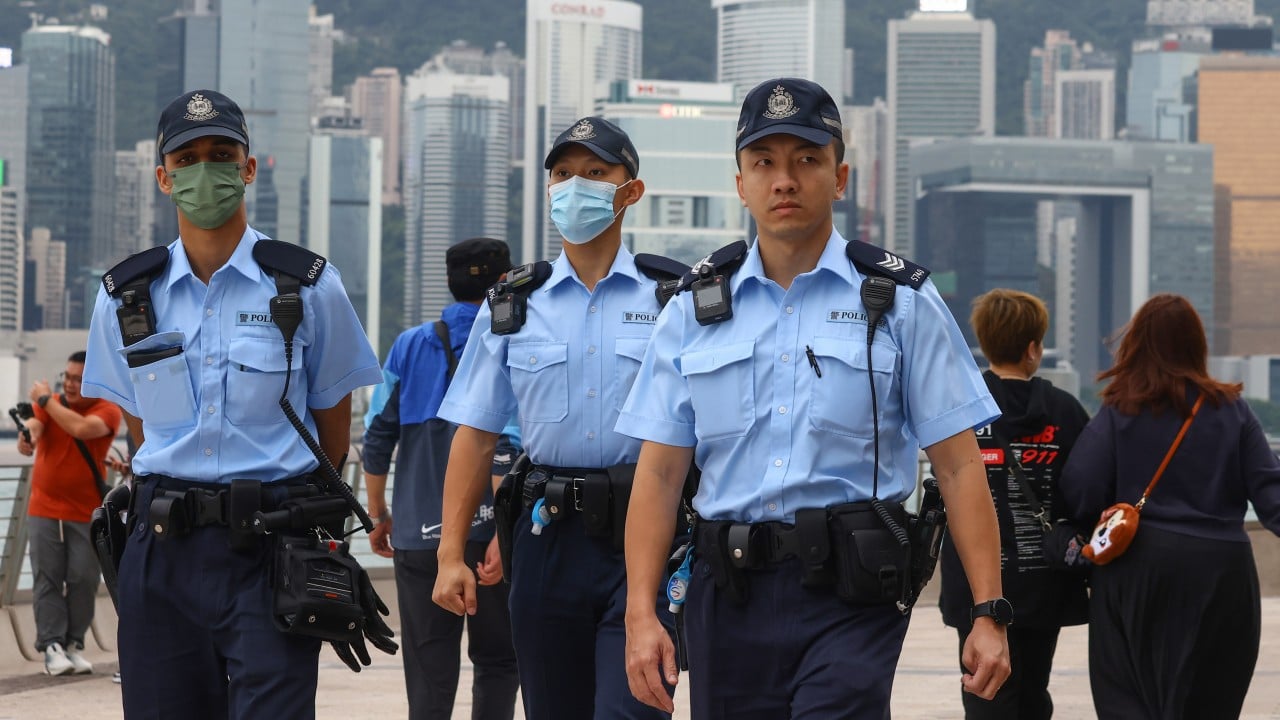
Hong Kong isn't a target right now. That’s the blunt reality shared by the city’s security establishment, even as conflicts in the Middle East dominate global headlines and rattle international nerves. While images of war fill screens across the globe, the actual threat level on the ground in this financial hub hasn’t budged from "moderate." It’s a term that sounds vague, almost bureaucratic, but it carries heavy weight for how the city operates day-to-day.
Basically, "moderate" means there’s no specific intelligence suggesting an imminent attack. The city is safe. You can walk the streets, ride the MTR, and go about your business without looking over your shoulder. However, the government isn't just sitting back. Security Bureau Chief Chris Tang Ping-keung recently made it clear that while the risk isn't high, the city can't afford a "not my problem" attitude.
The Middle East conflict has triggered a wave of protests and heightened security alerts across Europe and North America. You’ve seen the news. Cities like London, Paris, and New York have spiked their presence in the streets. Hong Kong? It’s staying the course.
Understanding the Moderate Threat Level
When the Inter-departmental Counter Terrorism Unit (ICTU) labels the threat as moderate, they’re telling you that the city is vigilant but not panicked. It’s a middle-ground stance. Since the 2019 unrest and the subsequent implementation of the National Security Law, the internal security environment has tightened significantly. This domestic shift, combined with a lack of direct involvement in Middle Eastern geopolitics, keeps the city off the immediate radar of international terror groups.
Evidence matters here. We haven't seen the kind of "lone wolf" incidents that have plagued other global cities recently. The police haven't uncovered active plots linked to foreign extremist ideologies in the current cycle. That’s a win for stability. But Tang’s warning is simple: don’t mistake a lack of noise for a lack of threat.
The government monitors online sentiment and physical gatherings with an eagle eye. They’re looking for radicalization that could be sparked by international events. If someone starts pushing extremist rhetoric locally because of what’s happening in Gaza or Lebanon, the authorities will jump on it. They’ve done it before, and they’ll do it again.
The Role of Global Geopolitics in Local Safety
You might wonder why a war thousands of miles away even enters the conversation in Hong Kong. It’s because terrorism today is decentralized. It’s digital. An individual in a quiet apartment in Kowloon can be influenced by propaganda from a conflict zone just as easily as someone in a border town.
Hong Kong acts as a massive international crossroads. We have a huge expat population, dozens of foreign consulates, and countless multinational corporations. This makes the city a symbolic prize, even if it’s not a direct combatant in any war. The Security Bureau acknowledges this vulnerability. They focus on protecting "soft targets"—places where people gather in large numbers like shopping malls, transport hubs, and tourist hotspots.
If you’ve noticed more police patrols in areas like Tsim Sha Tsui or Central, that’s not an accident. It’s a visible deterrent. The goal is to make the city a hard target. Terrorists usually look for the path of least resistance. By maintaining a high-profile presence, the Hong Kong Police Force signals that there are no easy gaps to exploit.
Why Hong Kong Differs From Western Capitals
In many Western cities, the threat level is currently "high" or "severe." The difference boils down to historical involvement and social friction. Many European nations have direct military or political stakes in Middle Eastern conflicts. Hong Kong doesn't.
Also, the city has incredibly strict gun and explosive controls. It’s remarkably hard to get your hands on the tools of terror here. While a "lone wolf" could technically use a knife or a vehicle, the organized infrastructure for a large-scale attack is almost non-existent. The ICTU, which brings together Customs, Immigration, Fire Services, and the Police, shares data in real-time to choke off any attempt to smuggle dangerous materials into the territory.
We also have to talk about the National Security Law and Article 23. These laws have given the government massive power to dismantle groups they deem a threat to public safety. Critics argue about the impact on civil liberties, but from a purely counter-terrorism perspective, these tools have made it much harder for underground cells to breathe. The surveillance net is tight.
What Real Vigilance Looks Like for You
The government’s "Run, Hide, Report" campaign isn't just a catchy slogan. It’s a shift in how they want the public to think. They want you to be an extension of their surveillance network. The "Spot and Report" hotline has received thousands of tips since its launch.
Most of these tips lead nowhere, but that’s fine. The police want the data. They want to know if someone is acting strangely at a pier or if a suspicious package is left at a bus stop. It’s a culture of collective security that didn't exist in the same way ten years ago.
Don’t ignore the training exercises. You might see police in full tactical gear running drills at the airport or in the subway in the middle of the night. These aren't just for show. They’re testing response times and inter-agency communication. In a city as dense as ours, a few minutes can be the difference between a controlled situation and a catastrophe.
Staying Informed Without the Panic
The "moderate" rating is a reminder to stay frosty but keep living your life. It’s a signal that the professionals are watching the horizon so you don't have to live in fear. If the threat level ever moves to "high," you’ll know it immediately—the city’s atmosphere will change, and security checks will become a lot more intrusive.
For now, the strategy is working. Hong Kong remains one of the safest cities in the world. The Middle East war is a tragedy, and its ripples are felt everywhere, but they haven't capsized the boat here.
Take a look at your surroundings next time you’re in a crowded spot. Notice the CCTV. Notice the occasional patrol. That’s the "moderate" threat level in action. It’s quiet, it’s present, and it’s designed to keep things exactly as they are. Keep an eye on the official ICTU website or the HKPF mobile app for any sudden changes in advisory status. If you see something that genuinely looks off, use the hotline. It’s better to be the person who reported a false alarm than the one who ignored a red flag.