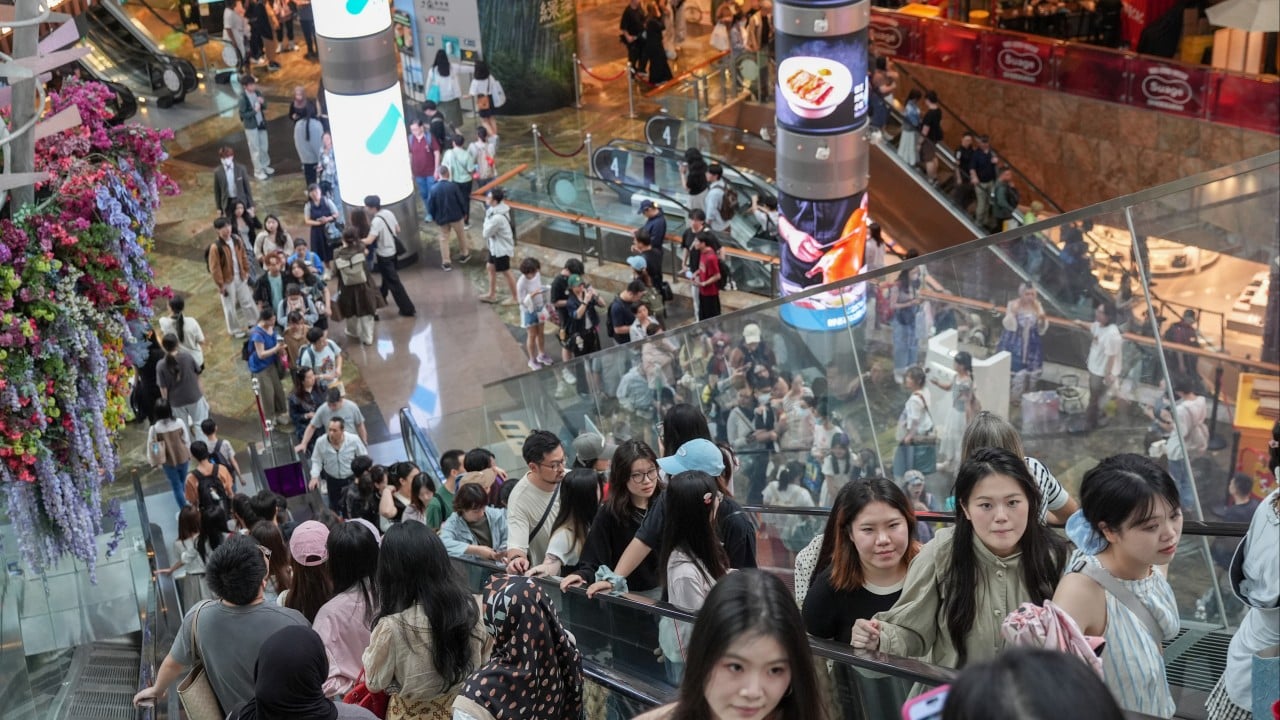
Hong Kong retail property is changing fast. For years, critics claimed the city lost its shopping magic. High rents, shifting tourist habits, and the rise of e-commerce created a tough environment. But the narrative is shifting. Landlords are no longer just collecting rent checks from luxury fashion brands. They are forced to innovate.
Tourists and consumers are returning, but they want different experiences. The old playbook of stacking malls with identical luxury boutiques is dead. To survive, retail spaces are adapting. For an alternative view, see: this related article.
The New Reality of Hong Kong Retail Property
The market has fundamentally shifted. Mainland Chinese visitors, who used to flock to Causeway Bay or Tsim Sha Tsui for tax-free luxury handbags, now have Hainan Island for duty-free shopping. They don't need to visit Hong Kong just to buy a luxury watch. When they come now, they want culture, unique dining, and experiences they can't get on their phones.
Data from the Census and Statistics Department highlights this transition. While overall retail sales volume has seen volatile swings, specific sectors tell a deeper story. Food and beverage, experiential entertainment, and niche lifestyle brands are driving the recovery. Landlords who recognized this early are winning. Those holding out for the return of 2018-era luxury spending are watching vacancies rise. Further reporting on this trend has been published by Business Insider.
It is about foot traffic quality over pure volume. You can fill a mall with people, but if they only take photos for social media without spending a dollar, the business model fails. Successful properties are integrating retail with entertainment, art, and community spaces to convert those visitors into paying customers.
Moving Beyond Luxury and Conventional Malls
Go to any major shopping district in Hong Kong right now. The changes are obvious. Mega-landlords like Swire Properties, Hongkong Land, and K11 Group are actively reshaping their portfolios. They are tearing down the walls of traditional retail.
Pop-Ups and Flexible Leasing Models
Long-term leases used to be the gold standard. Landlords locked tenants in for three to five years. Now, flexibility rules. Pop-up stores and short-term activations allow brands to test the market without massive capital expenditure.
- Speed to market: Brands can launch a concept within weeks.
- Urgency: Limited-time stores create FOMO (fear of missing out) among local consumers.
- Freshness: Malls constantly change their look, giving shoppers a reason to return every month.
This strategy works well in high-traffic hubs like Central and Tsim Sha Tsui. It keeps the retail environment dynamic and prevents consumer fatigue.
Food and Beverage as the New Anchor Tenant
Department stores used to anchor shopping malls. Today, restaurants, cafes, and experiential dining concepts occupy that space. Landlords allocate a much higher percentage of gross floor area to food and beverage than they did a decade ago.
People need a reason to leave their apartments. High-quality, exclusive dining options provide that incentive. Once consumers are in the building to eat, they stay to browse clothing, cosmetics, or lifestyle products. It is a simple cross-selling strategy that relies heavily on culinary appeal.
Western District and Community-Centric Retail
The transformation isn't limited to massive shopping malls. Neighborhood retail is thriving. Districts like Sai Ying Pun, Kennedy Town, and Wan Chai are seeing a surge in independent boutiques, specialty coffee shops, and artisanal bakeries.
Local residents spent heavily overseas or in mainland China when borders first reopened. Now, a counter-trend is emerging. People want to support their local communities. Savvy operators are buying up ground-floor retail spaces in residential areas to cater to this domestic demand.
These spaces focus on convenience, wellness, and pet-friendly environments. If you walk down High Street in Sai Ying Pun on a Saturday, you see crowded cafes, pet grooming shops, and small grocers selling imported goods. This segment of Hong Kong retail property proved incredibly resilient because it relies on daily necessity and community loyalty, not tourist spending.
Action Steps for Retail Property Investors and Operators
If you manage, own, or plan to invest in Hong Kong retail property, the old metrics no longer apply. You cannot rely on location alone to guarantee success.
First, audit your tenant mix immediately. If more than half of your space relies on traditional apparel or luxury goods without an experiential component, you are exposed. Actively court unique food concepts, wellness clinics, or interactive entertainment brands to diversify your risk.
Second, embrace flexible lease structures. Allocate at least 10% to 15% of your retail floor area for rotating pop-ups or short-term exhibitions. This keeps your property relevant and generates continuous social media buzz without requiring massive marketing budgets.
Third, invest in the physical environment. Shoppers want spaces that feel open, green, and visually appealing. Upgrade lighting, incorporate plants, and create seating areas where people can relax. The longer a consumer stays inside your property, the more money they will eventually spend.