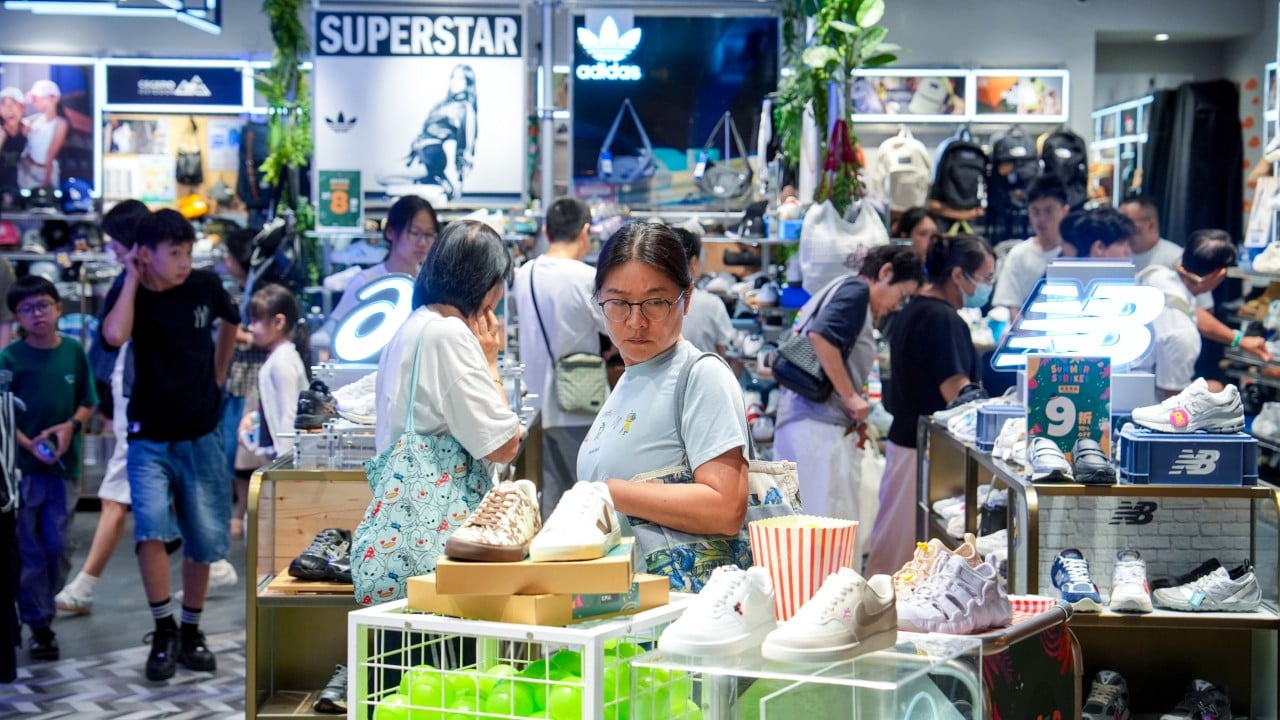
Hong Kong retail sales rose by 4.6 percent year-on-year in June, marking the fourteenth consecutive month of expansion with total sales reaching HK$31.5 billion, but beneath the surface of this streak lies a complex narrative of deceleration and structural consumer shifts. Official figures released by the Census and Statistics Department confirm that while the first half of the year accumulated a solid 9.6 percent increase, the June expansion slowed down significantly from May's revised 7.9 percent pace, hitting a ten-month low.
For anyone tracking the territory's economic pulse over the past decade, celebrating a multi-month winning streak requires looking past headline totals. The numbers tell a story of stark bifurcation. Luxury goods are surging, yet everyday neighborhood commerce is contracting. Understanding why this growth streak feels hollow to many high street merchants demands an unsparing look at the mechanics driving modern consumer spending in the special administrative region.
The Luxury Divergence and High-End Concentration
A closer examination of the June data reveals where the money is actually flowing. Sales of jewelry, watches, clocks, and valuable gifts jumped by a staggering 20.1 percent compared to the previous year. Electrical goods and other durable items also posted an 11.3 percent increase.
These categories keep the top-line figures comfortably in the black. High-spending tourists and collectors continue to target specific high-value assets within the city's premier malls. Yet, this concentration distorts the wider picture. When a single category drives an outsized portion of the growth, it masks the underlying fatigue bleeding into other sectors of the economy. High-end storefronts in central districts report healthy ledgers, but that capital fails to trickle down to independent operators or community-level service providers.
The Quiet Bleeding on the Neighborhood High Street
While luxury flagships celebrate double-digit gains, ordinary household consumption is quietly retreating. Supermarket sales dropped by 1.1 percent in June, department store receipts fell by 4.2 percent, and Chinese drugs and herbs plummeted by 4.9 percent.
Local residents are tightening their belts. Persistent structural shifts in spending habits explain part of this decline. More shoppers cross the border into neighboring Shenzhen for weekend groceries, dining, and household goods, seeking lower price points and greater variety. At the same time, domestic mortgage pressures and a cautious job market keep discretionary spending on everyday items tightly constrained. Traditional retailers situated outside prime tourist zones find themselves trapped between rising commercial rents and evaporating local foot traffic.
Digital Acceleration and Online Adaptation
One notable bright spot within the June data is the performance of electronic commerce. Online retail sales climbed 11.6 percent year-on-year, reaching HK$3.0 billion and accounting for 9.4 percent of total retail receipts. For the first half of the year, internet-based transactions surged by 27.7 percent.
Traditional merchants who treat digital storefronts as an afterthought are paying a heavy penalty. The acceleration of e-commerce adoption among local buyers proves that spending has not vanished; it has migrated. Brands that successfully integrate omnichannel inventory management or build direct-to-consumer digital channels manage to offset physical storefront declines. Those relying solely on walk-in traffic face an uphill battle against agile digital competitors and cross-border e-commerce platforms.
Structural Vulnerabilities Beneath the Streak
Government spokespersons maintain an optimistic stance, pointing to steady inbound tourism and economic expansion as pillars of future support. External uncertainties, however, continue to pose substantial downside risks. Global currency fluctuations, shifting geopolitical trade dynamics, and volatile asset markets directly influence the propensity of visitors to spend freely on luxury items.
Relying on a fourteen-month streak as proof of robust economic health misreads the underlying data. When growth relies heavily on volatile high-end segments while domestic staples contract, the local commerce ecosystem remains fragile. True stability requires broad-based participation across all income brackets and retail categories, an objective that remains unfulfilled despite the headline figures.
Examine the lease renewal rates in non-core districts. Watch the cross-border transit volume on any given weekend. That is where the real trajectory of Hong Kong commerce is decided.