Disasters across the Himalayas don't wait for paperwork, and governments usually take weeks to respond. Hong Kong just moved differently.
autoridades announced an immediate allocation of HK$50 million from the local Disaster Relief Fund. The money targets urgent humanitarian needs following catastrophic flash floods along the Nepal-Tibet border. If you track how regional governments handle sudden crises, this kind of speed stands out.
Where the Money Actually Goes
When a headline drops about millions in aid, people usually wonder if it gets lost in bureaucracy. Chief Executive John Lee Ka-chiu made it clear that the funds are designated straight for emergency relief projects.
The Disaster Relief Fund Advisory Committee handles the distribution. NGOs and international relief agencies working on the ground apply directly to this pool to fund essentials. We are talking about clean water systems, emergency shelters, medical supplies, and food packets for families who lost everything overnight.
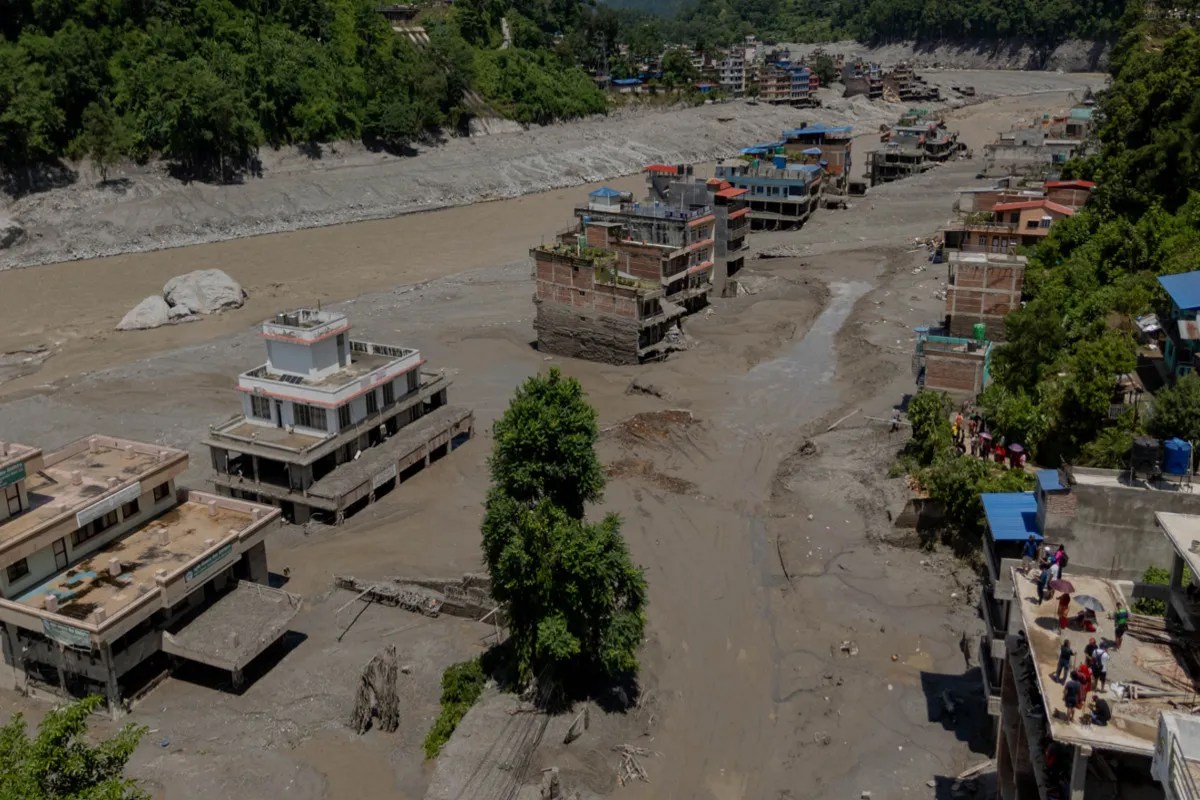
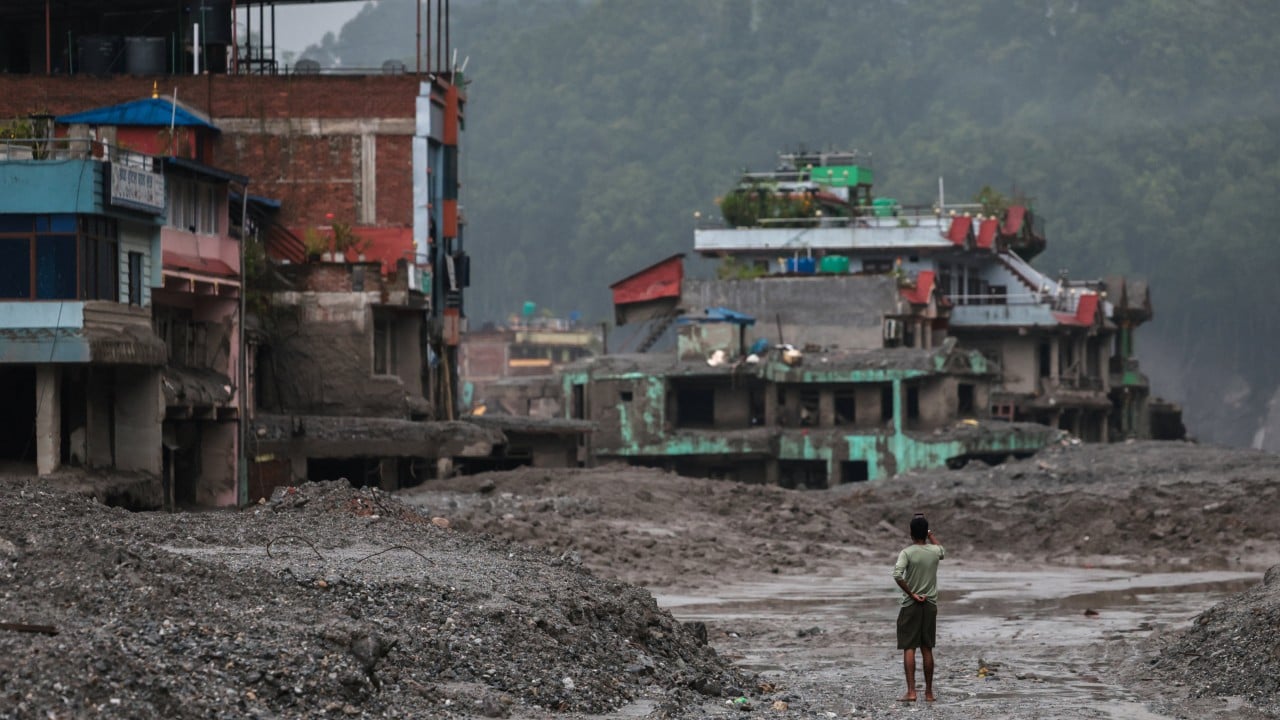
Destroyed infrastructure makes delivery tough. Bridges are gone. Roads are washed out. Relief groups rely on helicopters and foot transport just to reach isolated pockets in the mountains.
Understanding the Scale of the Himalayan Crisis
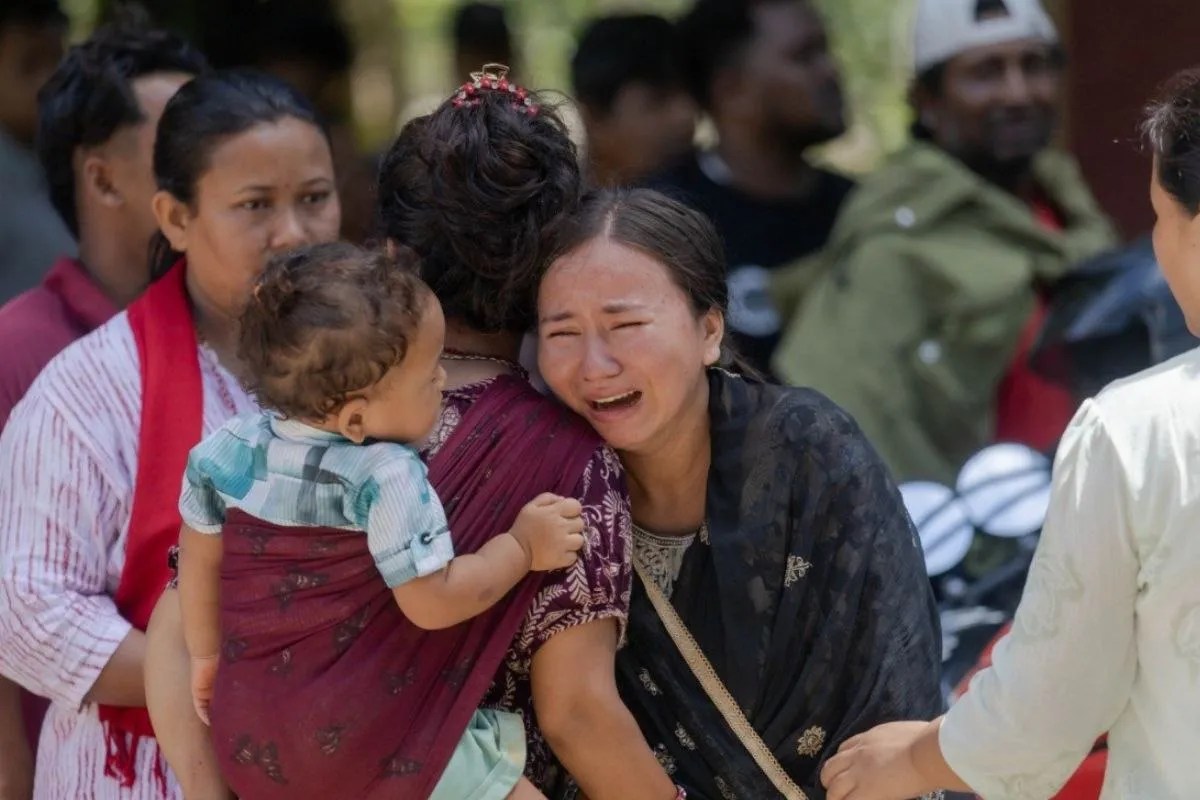
The numbers coming out of the Nepal-Tibet border region are staggering. Glacial collapses and heavy monsoon cloudbursts triggered massive torrents. Entire villages vanished under mud and debris. Hundreds of people remain missing, and thousands are displaced.
Governments across Asia are scrambling. India dispatched transport planes loaded with medical teams and survival gear. International bodies launched emergency appeals. Hong Kong's contribution acts as a targeted financial injection to support organizations already fighting the clock on the ground.
Critics often ask why regional financial hubs step in for distant humanitarian issues. Simple geography and shared vulnerability play a huge part. Extreme weather events fueled by changing climate patterns affect the entire Asian mountain ecosystem. What happens in the Himalayas ripples outward, impacting trade, tourism, and cross-border communities.
How the Relief Process Works Next
Getting money from a government treasury to a remote mountain valley takes a specific sequence of moves.
- Qualified relief organizations submit emergency proposals to the advisory committee.
- Grants get approved on a fast-track basis to bypass normal administrative delays.
- Agencies procure supplies locally or regionally to cut down transport time.
- Teams distribute aid directly to displaced families housed in makeshift camps.
Check official updates from the Government Information Centre in Hong Kong or tracking reports from major humanitarian groups if you want to follow how these specific grants get distributed. Donate directly to established NGOs working in Nepal and Tibet if you want to add private support to public funds.