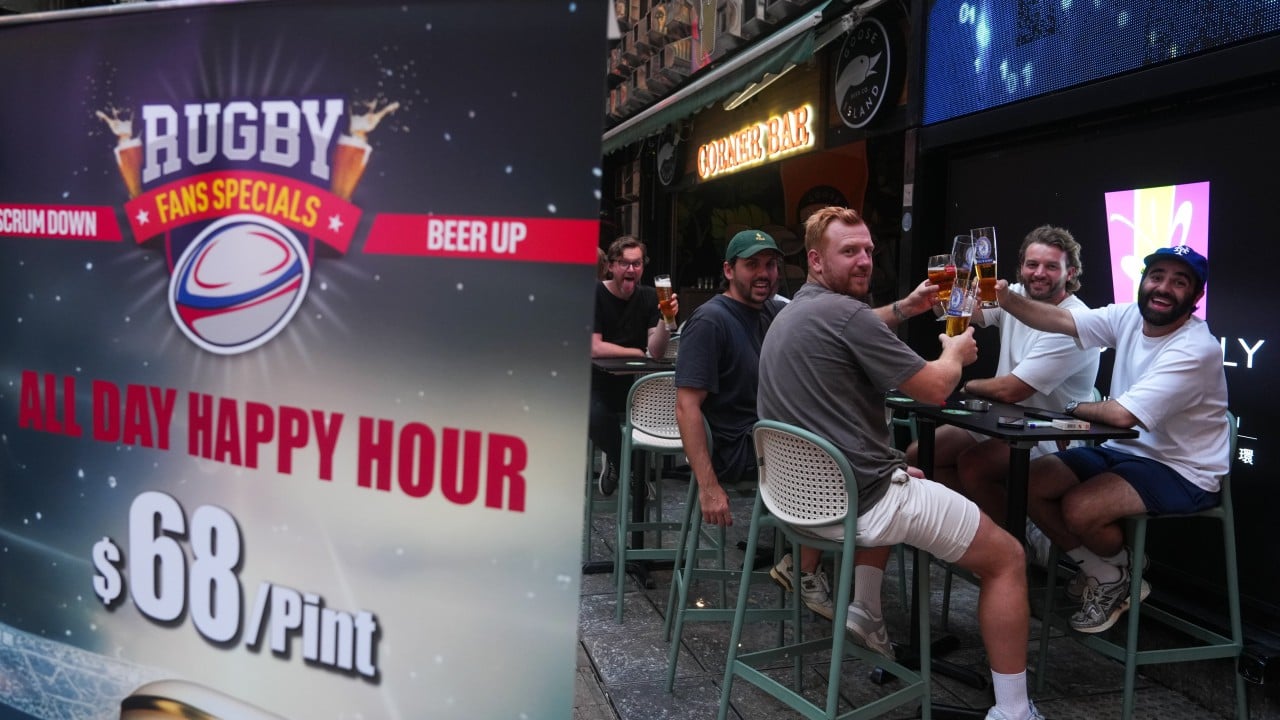
Hong Kong is about to get very loud. If you've lived here for more than a week, you know the Hong Kong Sevens isn't just about rugby. It's a city-wide fever dream that turns Wan Chai and Causeway Bay into a sea of beer, fancy dress, and frantic logistics. For bar owners, this isn't just a fun weekend. It's the biggest payday of the year, and they've been prepping for months.
The vibe is different this time. We’re seeing a shift in how crowds move and spend. While the stadium is the heart of the action, the real battle for revenue happens in the narrow streets of SoHo and the neon-lit corners of Lockhart Road. You can feel the tension in the air as managers scramble to stock up on kegs and hire extra security. They don't just want the fans; they need the fans to stay for that "one last round" that usually turns into five.
Preparing for the rugby onslaught
The sheer scale of the Hong Kong Sevens is hard to wrap your head around if you haven't seen it. We’re talking about tens of thousands of people descending on a tiny patch of the city. Bar owners aren't just ordering extra crates of lager. They’re redesigning their entire floor plans. Some spots in Wan Chai are removing furniture entirely to fit more bodies. It’s a gamble. You lose the sit-down diners, but you gain the high-volume drinkers who don't mind standing shoulder-to-shoulder with a guy dressed as a giant banana.
I’ve talked to managers who start their "Sevens Prep" in January. They look at past sales data to see which spirits moved fastest and which days saw the biggest spikes. It’s usually Friday night that catches people off guard. Everyone thinks Saturday is the peak, but the post-work Friday crowd combined with the early arrivals creates a perfect storm of chaos. If your taps run dry on Friday, you’re toast for the rest of the weekend.
Supply chains get stretched thin. It’s a logistical nightmare getting delivery trucks through the crowded streets when half the roads are closed. Smart operators get their bulk orders in early and store them in every available square inch of space—offices, cold rooms, even under the bar counters. You’ll see stacks of kegs reaching the ceiling in back alleys. That’s the smell of money in this town.
The Wan Chai vs SoHo divide
Where you drink says a lot about your Sevens experience. Wan Chai is the traditional home of the post-match madness. It’s gritty, it’s loud, and it’s where the "South Stand" energy goes to die a slow, happy death. Bars here rely on pure volume. They don't care about craft cocktails or artisanal snacks right now. They want speed. Pour the drink, take the cash, move to the next person.
SoHo and Central offer a slightly different beast. It’s a bit more refined, but only just. The crowds here are often the corporate hospitality lot or locals who want the atmosphere without the vomit-stained shoes. For these bars, the challenge is maintaining their brand while dealing with a ten-fold increase in foot traffic. You’ll see "Sevens Specials" that are basically just higher prices for the same drinks, and honestly, nobody complains. People expect to pay the "Sevens Tax." It’s part of the ritual.
Then there’s the Causeway Bay factor. Being right next to the stadium is a blessing and a curse. The surge is violent. One minute the bar is empty, the next it’s a mosh pit because a match ended early or the rain started. Managers have to be master tacticians, moving staff between the door and the bar like chess pieces. It’s exhausting to watch, let alone work.
Staffing the chaos
You can't just run a normal shift during Sevens weekend. You need a small army. Most bars hire temporary staff, often students or former employees who come back just for the tips. These people are the unsung heroes of the weekend. They deal with spilled drinks, lost wallets, and the inevitable "do you know who I am?" from a drunk guy in a cape.
The burnout is real. A typical Sevens shift can last 12 to 14 hours. By Sunday night, the staff are walking ghosts. Owners have to keep morale up with promised bonuses or just enough caffeine to keep a heart racing. I’ve seen bars set up "recovery zones" in the back for staff to take five-minute breathers. If your team breaks, your revenue stops. It's that simple.
Security is the other side of the coin. You need bouncers who are firm but not aggressive. The goal is to keep the peace without killing the vibe. During the Sevens, the "peace" is a relative term. It’s more about managing the flow of people and making sure nobody starts a fight over a plastic cup. A good security team is worth its weight in gold during this weekend. They’re the ones who prevent a rowdy night from turning into a PR disaster.
The economic ripple effect
While the bars take the headlines, the Sevens pumps money into the entire city. It’s a massive win for the local economy. Hotels are packed, taxis are impossible to find, and even the 7-Eleven on the corner is doing record business in "street beers." The government loves it because it puts Hong Kong back on the global map as a place that knows how to party.
But it’s not all easy profit. The costs are astronomical. Rent in these prime areas is already soul-crushing, and during Sevens, every expense goes up. Extra staff, surge pricing on supplies, and the inevitable repairs after the weekend add up fast. A bar might make a month’s worth of revenue in three days, but they also incur a month’s worth of wear and tear.
There’s also the competition from the stadium itself. The food and drink options inside the grounds have improved over the years. Bars have to offer something the stadium can't—better variety, air conditioning, and a place to actually sit down for five minutes. Many bars now partner with rugby clubs or fan groups to guarantee a base level of customers before the doors even open. It’s about building loyalty in a weekend defined by fleeting moments.
Making the most of the weekend
If you’re heading out, don't just wander aimlessly. Pick a home base. Find a bar you like, get there early, and stay put. Trying to hop between bars in Wan Chai on a Saturday night is a fool’s errand. You’ll spend more time in queues than you will drinking.
For the bar owners, the advice is simpler: keep it fast. This isn't the time for your signature smoked-rosemary-infused gin and tonic that takes six minutes to prep. Pre-mix what you can. Have buckets of ice ready. Use plastic cups if the law allows it—it saves on washing and breaking.
The Hong Kong Sevens is a endurance test for everyone involved. It’s messy, expensive, and loud. But for a few days, it makes the city feel alive in a way nothing else can. When the final whistle blows and the last keg is tapped, the bars will count their money, the fans will nurse their hangovers, and the city will start the countdown to doing it all over again next year.
If you're an operator, check your inventory one last time. If you're a punter, hydrate now. You’re going to need it. The madness starts Friday afternoon, and it won't stop until someone loses a shoe on Sunday night.