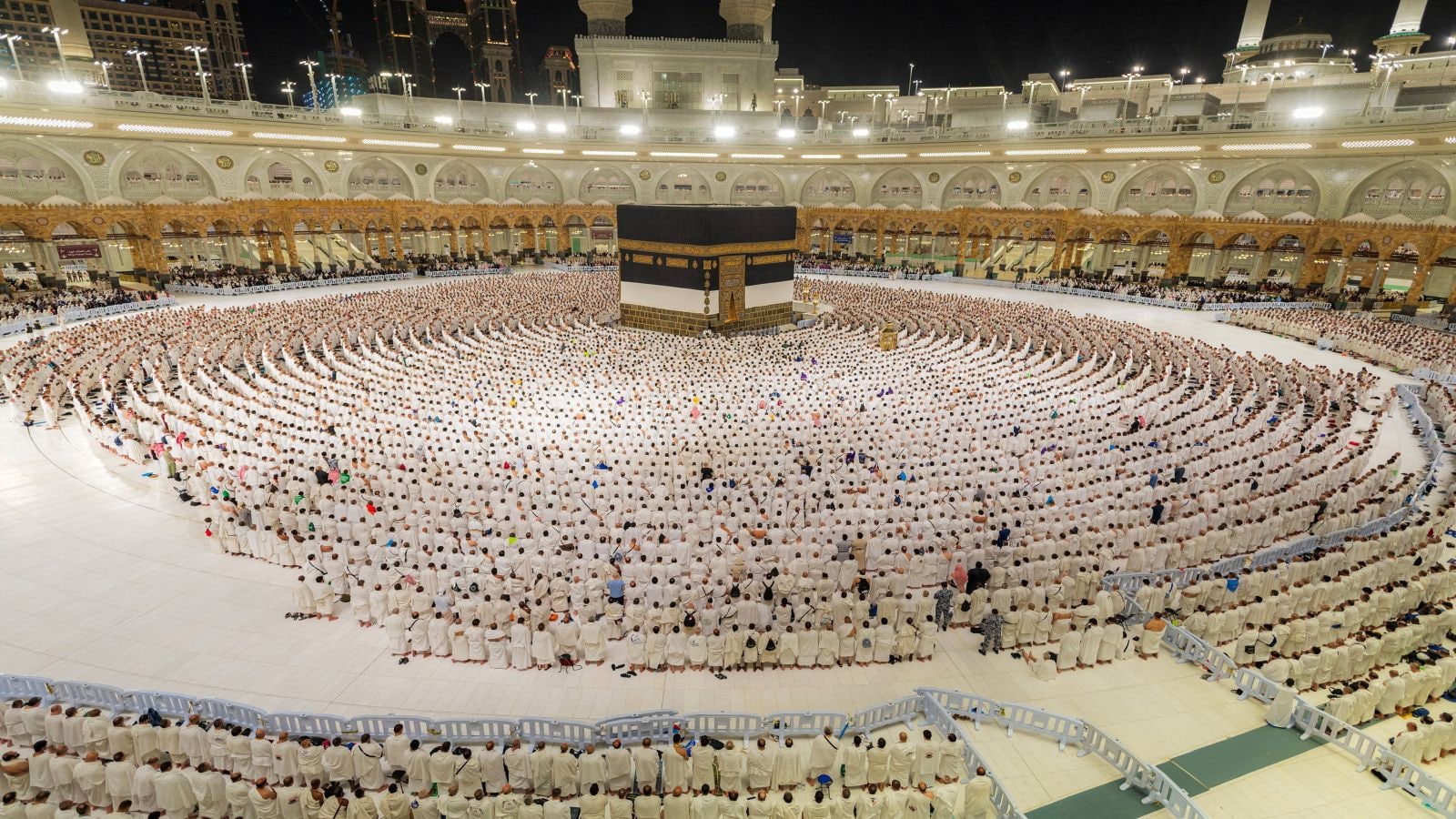
Saudi Arabia has drawn a definitive geopolitical boundary following an intercepted ballistic missile targeting the Grand Mosque in Mecca, branding the assault by Yemen-based Houthi forces an intolerable escalation that crosses a sacred threshold. Riyadh has formally labeled the strike on Islam's holiest sanctuary a definitive red line, dramatically raising the stakes in a protracted proxy conflict that has long devastated the Arabian Peninsula. The Houthi leadership in Sanaa has vehemently denied responsibility for the specific launch targeting Mecca, attributing the incident to operational misfires or fabricating an entirely different narrative to deflect global condemnation. Yet, intelligence analysts and regional security observers note that the trajectory and telemetry of the missile point directly to sophisticated launch capabilities typically associated with Iranian-supplied hardware, casting a long shadow over Tehran's stated policy of non-involvement in direct strikes on sacred territory.
For decades, the custodianship of the Two Holy Mosques has served as the ideological bedrock of the Saudi monarchy's legitimacy. To threaten Mecca is to challenge the core religious authority of the state, transforming a localized territorial dispute into an existential theological confrontation.
The Anatomy of a Deniable Proxy War
The mechanics of modern asymmetrical warfare rely heavily on plausible deniability. When a ballistic missile arcs across the desert sky toward a civilian population center or a religious landmark, the immediate aftermath involves a flurry of contradictory statements from ministries, rebel spokespersons, and intelligence agencies. The Houthis claimed they targeted military infrastructure far south of the holy city, asserting that Riyadh manufactures tales of shrine attacks to rally international sympathy and justify ongoing air campaigns.
However, defense attachés tracking the conflict point out that the guidance systems and payload capacities required for long-range strikes against central Saudi territory exceed standard insurgent workshops. The hardware bears the unmistakable imprint of foreign engineering.
[Target: Mecca Sanctuary] <--- [Launch Vector: Saada, Yemen] <--- [Supply Chain: Tehran]
This structural supply chain turns every localized skirmish into a high-stakes standoff between regional heavyweights. Tehran maintains plausible deniability by routing support through porous maritime and overland smuggling networks, while Riyadh is forced to respond to attacks on its sovereign soil without triggering a full-scale conventional war that neither economy can comfortably sustain.
The Theological Calculus of Escalation
Targeting Mecca carries a unique weight that differentiates this conflict from standard geopolitical flashpoints. Millions of pilgrims converge on the city annually, and the psychological impact of a mid-air interception over the Kaaba shatters any illusion of civilian immunity.
When Saudi state media broadcast footage of the Patriot missile defense system neutralizing the inbound threat overhead, the domestic reaction was immediate and unified. Public sentiment hardened overnight. Moderate voices advocating for a negotiated political settlement in Yemen found themselves sidelined by a wave of nationalist outrage.
History shows that attacks on religious epicenters rarely cow a population; instead, they produce a rallying effect around incumbent leadership. By elevating the threshold to include the sanctuary of Mecca, the actors behind the launch miscalculated the resilience of the Saudi public's psychological defenses. Rather than fracturing regime stability, the strike consolidated domestic backing for a more aggressive military posture.
Strategic Realities on the Ground
Beyond the immediate diplomatic fallout, military planners are forced to reassess the balance of power across the southern border. Air defense batteries previously concentrated around economic hubs and oil infrastructure must now be diverted to shield cultural and religious heritage sites. This dispersal creates vulnerabilities elsewhere in the kingdom's vast defensive perimeter.
The economic cost of maintaining continuous, high-intensity anti-missile operations is staggering. Each interceptor missile carries a heavy financial price tag, turning a war of attrition into a fiscal drain. Yet, cost is secondary when the alternative is a direct hit on a site of global religious significance.
Diplomatic channels remain strained. International bodies issue routine calls for restraint, but diplomatic communiques carry little weight when surface-to-surface missiles continue to cross international borders. The designation of this attack as a red line means that any future projectile heading north toward the holy sites will likely trigger a disproportionate retaliatory strike against critical infrastructure in Yemen, deepening a humanitarian crisis that has already stretched the limits of regional endurance.
The standoff continues in the shadows of intelligence briefings and radar screens, where a single miscalculated trajectory could still ignite a wider conflagration across the Gulf.