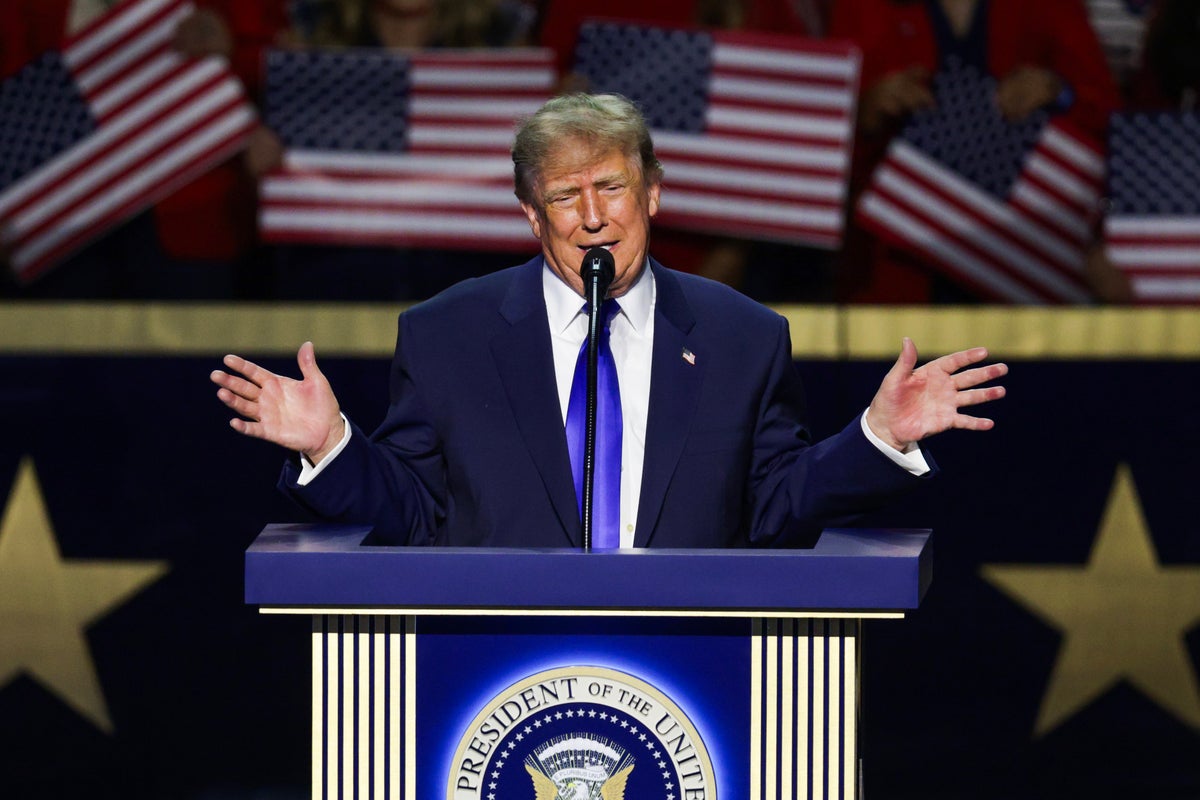
President Donald Trump recently announced a proposed $5,000 "Trump dividend" for every American adult, contingent upon Republicans retaining full control of Congress in the upcoming midterm elections. Delivered during a marathon speech at the Republican midterm convention in Dallas, the proposal immediately triggered intense debate over its constitutionality, its staggering price tag exceeding $1 trillion, and its striking resemblance to political clientelism.
Having tracked federal appropriations and executive overreach for decades, I recognize this announcement for what it truly is: a high-stakes rhetorical gamble designed to mobilize the base rather than a serious, executable fiscal policy.
To understand why this proposal faces insurmountable roadblocks, we must examine the intersection of constitutional law, federal budgeting, and raw political survival.
The Constitutional Mirage
The primary barrier standing between an American adult and a $5,000 check is the United States Constitution. Under Article I, Section 9—the Appropriations Clause—no money shall be drawn from the Treasury, but in consequence of appropriations made by law.
An executive order cannot conjure a trillion dollars out of thin air. Even during the pandemic emergencies of 2020 and 2021, when broad-based relief checks were distributed, those disbursements required multi-billion-dollar packages painstakingly negotiated and passed by both chambers of Congress.
A sitting president cannot unilaterally authorize a nationwide cash handout, regardless of party control in Washington. The Anti-Deficiency Act further penalizes executive officials who obligate the government to spend funds it does not possess.
When proponents point to tariff revenues as the funding mechanism, basic arithmetic tells a different story. The total annual yield from federal customs duties falls drastically short of covering a $1.3 trillion price tag, particularly after recent legal setbacks surrounding import taxes in the federal courts.
The Politics of the Carrot
Why float a policy proposal that carries such severe legal and structural barriers? The answer lies in the unique vulnerability incumbent administrations face during midterm cycles. Historically, the party holding the White House takes a beating in midterms. Facing stiff headwinds and sliding approval ratings, political campaigns often resort to massive retail politics strategies to alter the narrative.
By tying the payout directly to a Republican congressional victory, the proposal transforms a generalized policy discussion into a hyper-targeted electoral incentive. It tells the weary voter that their ballot is directly tied to a personal financial windfall.
Critics from across the political spectrum have noted the awkward legal shadow cast by federal statutes prohibiting expenditures intended to influence voting outcomes. While defenders argue that a broad promise to every citizen—regardless of their individual vote—sidesteps explicit bribery statutes, the maneuver pushes the boundaries of acceptable campaign rhetoric into uncharted territory.
The Inflationary Trap
Even if we suspend disbelief and assume Congress somehow acquiesced to this unprecedented spending bill, the macroeconomic consequences would likely prove disastrous. Injecting more than $1万億 (trillion) in fresh liquidity directly into consumer hands acts as a massive fiscal stimulant.
We watched this movie unfold during the post-pandemic recovery era. Pumping trillions in direct aid into the economy triggered a brutal surge in inflation that eroded purchasing power for years.
Adding another trillion-dollar debt-funded check on top of a national debt already hovering near $40 trillion would severely rattle bond markets. Borrowing costs would spike, driving up mortgage rates and corporate debt servicing expenses.
The requirement that the money be spent strictly inside the United States—a caveat meant to protect domestic industries—fails to neutralize the inflationary pressures generated by flooding the market with unbacked fiat currency.
Empty Rhetoric in an Era of Fiscal Fantasy
We have entered an era where political discourse frequently substitutes sensational fiscal fantasies for governing reality. Promising a $5,000 check performs well on a convention stage, generating viral clips and temporary enthusiasm.
Yet, when the noise fades, the structural realities of the federal budget remain stubbornly unchanged. No dividend is coming. The legal hurdles are too steep, the opposition in Congress is too fierce, and the Treasury simply cannot balance a $2 trillion annual deficit on the back of optimistic tariff projections.
Voters are left holding an empty envelope, waiting for a check that was never actually written.
Watch the announcement context on YouTube
This video captures the exact moment the proposal was introduced at the convention, illustrating how high-stakes economic promises are deployed to rally crowds.
http://googleusercontent.com/youtube_content/1