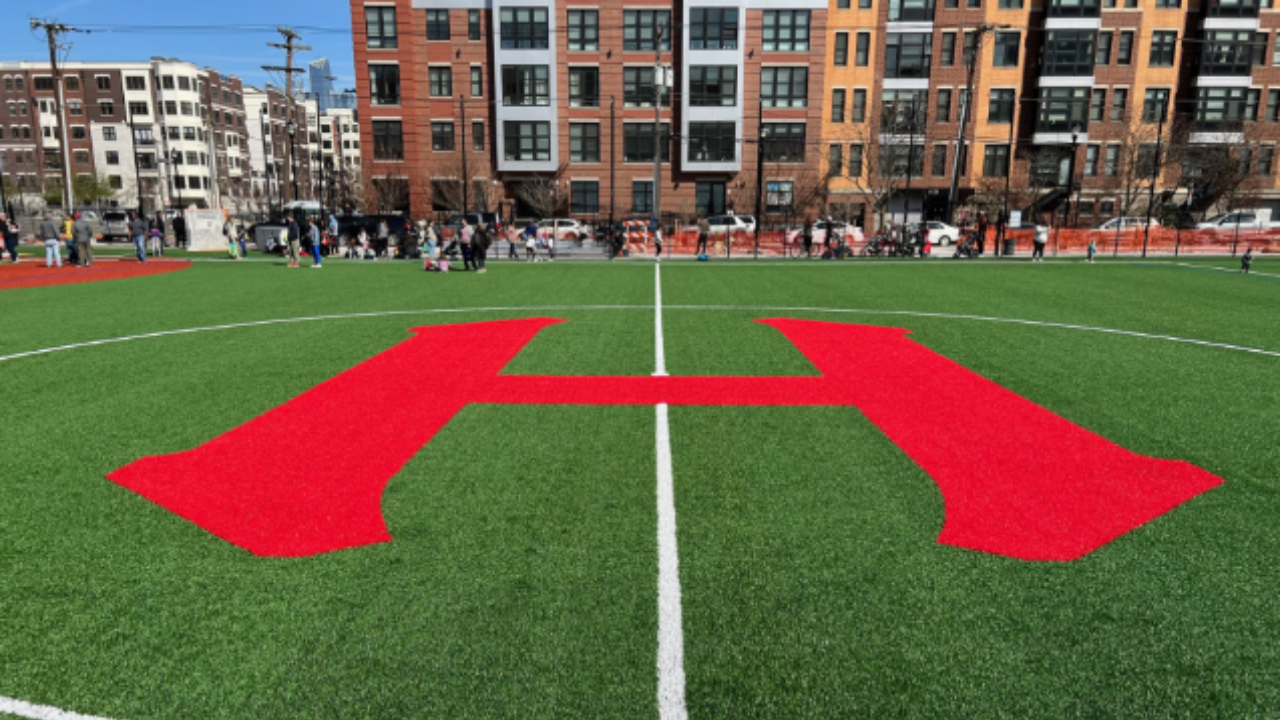
Every urban planner with a LinkedIn account is currently weeping tears of joy over Hoboken’s latest multi-million-dollar waterfront achievement. We are supposed to applaud the transformation of an old industrial footprint into a pristine, manicured 5.4-acre oasis complete with modern playgrounds, smart drainage, and carefully arranged blades of decorative grass. The consensus is unanimous. Civic leaders beam. Architectural digests run glossy spreads.
They are all completely wrong.
I have spent the last fifteen years watching cities spend billions on the aesthetic pacification of industrial land. I've seen municipal budgets hemorrhage cash on vanity projects that look stunning in drone photography and fail every single metric of actual urban vitality.
Hoboken did not fix a brownfield. They sanitized it. They took a space with historical gravity, stripped away its economic memory, and replaced it with a plasticized theme park for strollers.
The Myth of the Manufactured Wilderness
The lazy consensus states that any green space is inherently good green space. Convert a defunct shipyard into a park, and you have automatically improved the quality of life for local residents. This is lazy thinking masquerading as progress.
When you pave over industrial heritage with imported topsoil and rubberized playground flooring, you are not reconnecting with nature. You are enacting a corporate-approved cosplay of nature.
Take a close look at the design specs for these modern waterfront installations. They rely on heavy engineering to look effortless. We are talking about millions of dollars poured into subterranean retaining walls, custom drainage grids to combat storm surges, and curated flora that requires intensive municipal maintenance just to survive the salty river air.
"We aren't building ecosystems. We are building outdoor living rooms for people who are terrified of dirt."
The problem with this approach is permanence. Industrial sites are monuments to human labor, grit, and production. When you erase them entirely in favor of an Instagram backdrop, you destroy the narrative arc of the city. You trade a working-class legacy for a sterile playground that smells like hot rubber on a July afternoon.
Why Resisting the Eco-Makeover Matters
Urban density requires friction, not uniformity. When every square foot of reclaimed land is flattened into a family-friendly recreation zone, you flatten the neighborhood's soul right along with it.
Real urban revitalization should preserve the tension between what a place used to be and what it is becoming. Instead, municipalities opt for the safe route. They build parks that appeal to the median demographic of incoming luxury condo buyers while pricing out the very history that made the location interesting in the first place.
Let's look at the financial reality. Maintaining a high-end waterfront park subjected to coastal weather is a permanent fiscal anchor on city taxpayers. You think that ribbon-cutting ceremony was expensive? Wait until the subterranean drainage pumps fail in ten years and the synthetic turf needs a complete replacement cycle.
If you want to understand why municipal taxes keep climbing while infrastructure crumbles, look no further than the obsession with boutique parks that require specialized landscape architects just to mow the lawn.
The Counter-Intuitive Playbook
Stop treating post-industrial land like a blank canvas waiting for a coat of green paint. If we actually cared about urban resilience and community utility, we would approach these spaces with a completely different mindset.
1. Leave the Bones
Before you bring in the bulldozers to level old foundations, figure out how to integrate them. Industrial architecture provides structural drama that no newly poured concrete patio can ever replicate. Ruin porn is a cliché, but adaptive reuse is a discipline. Let people see the scars of the past instead of hiding them behind decorative hedges.
2. Prioritize Wild Over Tidy
Stop manicuring every square inch. Real ecology is messy, stubborn, and chaotic. When cities spend half their park budgets on weed-whacking and seasonal flower rotations, they are prioritizing human neuroses over ecological health. Let the native weeds take over parts of the site. Build elevated walkways above the chaos rather than sterilizing the ground entirely.
3. Build for Utility, Not Just Optics
If a park cannot handle actual kinetic energy—if skateboarding is banned, if sports fields are locked behind permit gates, if every surface is protected by a "Keep Off the Grass" sign—it is not a public space. It is a museum exhibit. Cities need places where people can break things, build things, and gather without needing a permit from a municipal bureaucracy.
The Real Cost of Fake Nature
The defenders of the Hoboken model will point to property values. They will tell you that real estate surrounding these manicured spaces has skyrocketed.
Of course it has. That is precisely the indictment.
When public infrastructure is designed primarily to inflate surrounding property values for developers, it stops being public infrastructure. It becomes a localized wealth-transfer mechanism subsidized by the taxpayer. You are paying for the landscaping that allows a landlord to hike rent by thirty percent across the street.
We need to stop pretending that dropping a playground onto a concrete cap solves the deeper structural challenges of modern coastal cities. Sea levels are rising. Economic inequality is widening. Housing costs are suffocating communities.
A designer swing set on the Hudson River does not solve any of those things. It just gives everyone a nice view while the ship goes down.
Stop funding playgrounds that double as real estate marketing campaigns. Demand spaces that actually respect the industrial weight of our cities, embrace ecological reality instead of fighting it, and stop pretending that green plastic grass is the pinnacle of human achievement.
Tear up the playbook. Let the concrete breathe.