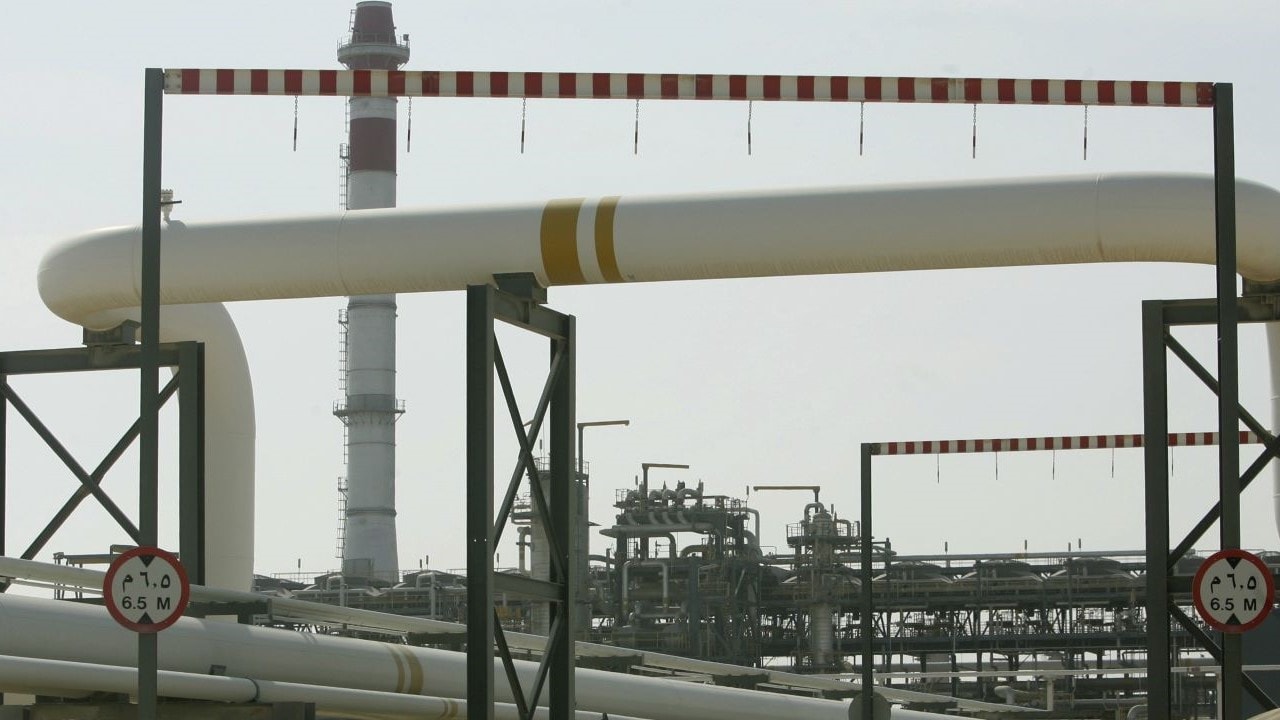
You probably don't think about global geopolitics when you're reaching for a bag of salt and seaweed chips. Why would you? But the snacks on your shelf are more tied to international conflict than you'd imagine. Right now, a supply chain crisis sparked by the war in Iran is hitting Calbee, Japan's largest potato chip manufacturer. They've been forced to strip back their packaging because the ink used to print those bright, iconic bags is disappearing from the market. It's a weird, direct look at how fragile our global systems actually are. When a refinery halfway across the world goes dark, your snack bag loses its color.
This isn't just about aesthetics. It's about a fundamental shortage of the petroleum-based resins and specialty chemicals required to make high-quality packaging ink. Most people assume "ink" is just pigment and water. In reality, industrial printing for food packaging is a complex chemical feat. It has to withstand heat, moisture, and friction without leaching toxins into the food. The war in Iran has choked the flow of the raw materials needed for these specific formulations. Calbee isn't just "toning it down" for fun. They're doing it because they literally can't find enough ink to maintain their usual brand standards.
Why Calbee is Stripping Down Its Design
The shift is jarring if you're used to the vibrant reds and yellows of Japanese snack aisles. Calbee has started rolling out "limited ink" versions of its flagship products. They've cut out the heavy background colors and switched to a more minimalist, white-heavy design. They're saving up to 40% of their usual ink consumption per bag. That's a massive reduction.
It’s a desperate move to keep products on the shelves. Without this change, Calbee would face a total production halt. Think about that. The potatoes are there. The oil is there. The seasoning is there. But without a bag to put them in, the whole machine stops. It highlights a massive vulnerability in the "just-in-time" manufacturing model that dominated the last few decades. We’ve optimized everything for efficiency, which works great until a major regional power goes to war.
I’ve seen companies try to pivot during shortages before, but this is different. Usually, you just pay a premium and wait a few weeks. In this case, the literal supply of the chemical precursors—the stuff that makes the ink stick to the plastic—is physically unavailable in the quantities required for a giant like Calbee. They produce billions of bags a year. Even a tiny hiccup in the supply chain becomes a catastrophe at that scale.
The Chemistry of a Chip Bag
Packaging isn't just plastic. It's a multi-layer laminate. You've got the outer film, the ink layer, an adhesive, and then the inner metallic lining that keeps the chips from going stale. The war in Iran has specifically targeted the production of naphtha and other petroleum derivatives used in the resin. Resin acts as the "glue" that holds the pigment together. Without it, the ink just rubs off.
Why Iran Matters to the Global Ink Market
You might wonder why a war in Iran specifically ruins Japanese potato chips. It’s about the ripple effect. Iran is a massive producer of the raw materials used in the petrochemical industry. When those facilities are damaged or trade routes are blocked, the global market for specific resins tightens instantly. Japan, which imports nearly all of its energy and chemical feedstock, is always the first to feel the squeeze.
- Refinery Disruptions: Targeted strikes on Iranian infrastructure have halted the export of specialized chemical bases.
- Shipping Logistics: The Strait of Hormuz is a mess. Insurance premiums for cargo ships have skyrocketed, making it too expensive or too risky to move lower-margin goods like industrial ink.
- Alternative Sourcing: Other producers in the Middle East and Southeast Asia are trying to fill the gap, but they’re already at capacity. There’s no "spare" ink just sitting in a warehouse.
Calbee’s decision to go minimalist is a sign of the times. It’s a "war packaging" strategy. They’re prioritizing the food inside over the marketing on the outside. Honestly, it’s a move more brands should probably consider, even without a war. We use an insane amount of chemical-heavy dyes just to sell a 150-yen snack.
What This Means for the Future of Snacks
If you think this is only a Calbee problem, you're wrong. Other Japanese snack makers like Koikeya are watching this very closely. If the conflict in Iran continues to drag on, expect your entire pantry to start looking a lot more beige. We’ve spent forty years making packaging more and more complex. Now, we’re being forced to simplify in real-time.
It's also a lesson in brand loyalty. Will people still buy Calbee chips if the bag looks "cheap" or unfinished? My bet is yes. In fact, Calbee is leaning into the "eco-friendly" and "crisis-response" angle to make the change more palatable to consumers. They're framing it as a necessity, which it is. But it also serves as a subtle reminder to every customer that the world is in a state of flux.
The Problem With Modern Supply Chains
We've built a world where everything is connected, but nothing is resilient. We have "lean" supply chains that have zero room for error.
- We source from the cheapest possible location.
- We keep no inventory on hand.
- We rely on stable geopolitics for our basic needs.
When one of those three pillars crumbles, the whole thing falls over. The Calbee ink crisis is the "canary in the coal mine." It's a small, visible sign of a much deeper rot in how we handle global trade. If we can't even secure enough ink for potato chips, what happens when it's medical supplies or semiconductors? Oh wait, we already know what happens there. It’s a mess.
How to Adapt as a Consumer or Business Owner
If you’re running a business, you need to look at your "single points of failure." Calbee relied on a specific type of ink that required specific Iranian-sourced chemicals. They didn't have a Plan B until they were forced to invent one on the fly.
- Audit your packaging: Do you really need five colors? Could you survive with two?
- Diversify your chemical sources: If your product relies on petroleum derivatives, you need to know exactly where those molecules originate.
- Communicate early: Calbee was smart to be transparent. They told the public why the bags looked different before the rumors could start.
For the rest of us, it's a wake-up call. The era of cheap, abundant everything is hitting a wall. We’re going to see more of this. More "ugly" packaging, more "simplified" versions of our favorite products, and more direct impacts from wars we thought were "over there."
Pay attention to the bags the next time you're in the snack aisle. If the colors look a little faded or the design seems a bit sparse, you’re looking at the direct result of a missile strike thousands of miles away. It’s a small price to pay compared to what people in the conflict zone are dealing with, but it's a stark reminder that in 2026, no industry is an island. Stop expecting the "normal" of the 2010s to come back. It isn't. Brands that can simplify and adapt will survive. The ones that insist on their "complex" old ways will simply disappear from the shelves when the ink runs dry.
:max_bytes(150000):strip_icc():focal(708x236:710x238)/United-Airlines-First-Class-Cabin-041024-d7f929ad60ef4a9e95d6ebdeaf87d6a4.jpg)