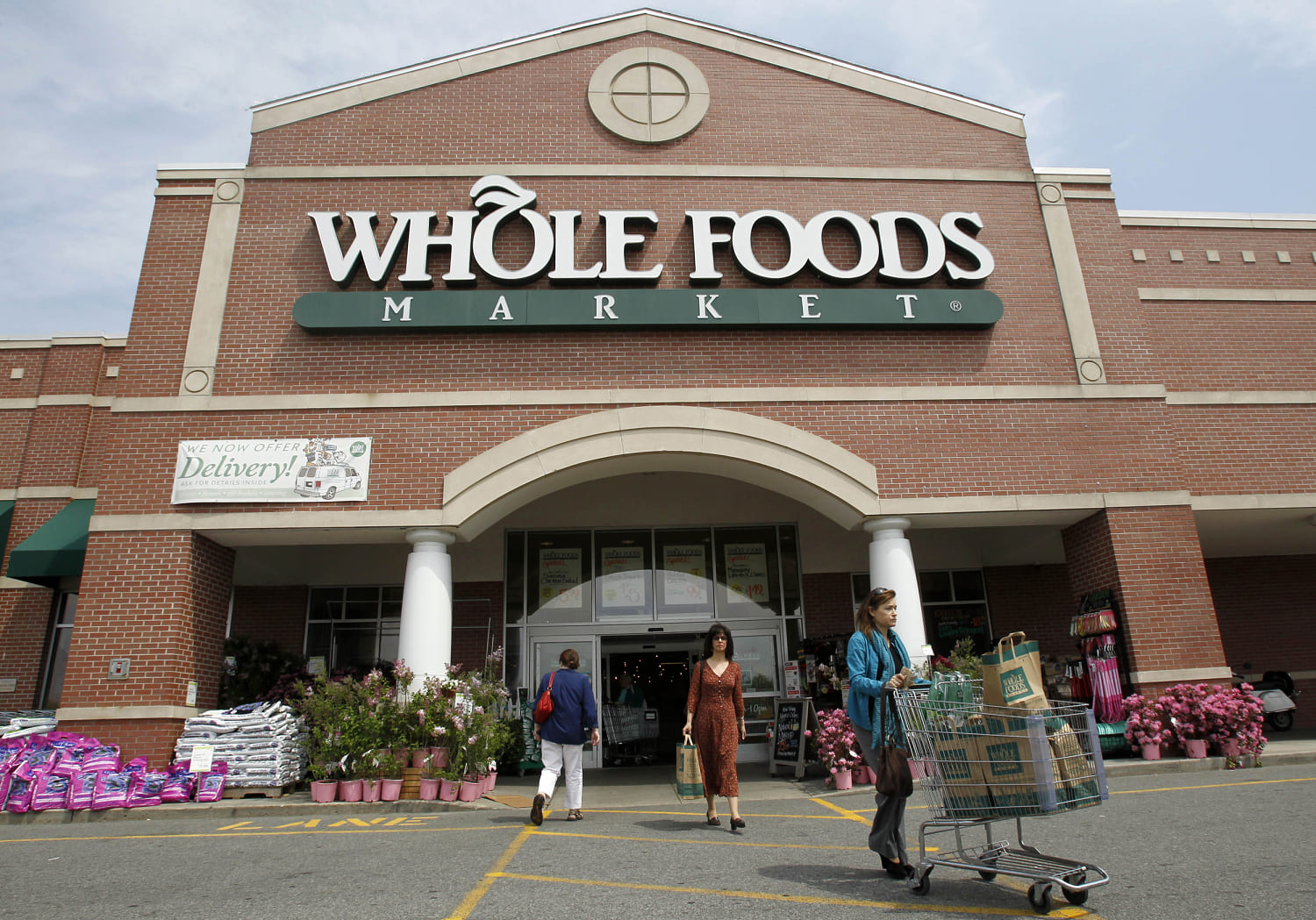
Whole Foods Market has issued a recall for its Minestrone soup across several regions after discovering an undeclared allergen that poses a serious risk to consumers. The recall centers on the presence of milk, a common allergen that was not listed on the product packaging. While the immediate fix involves pulling plastic containers from shelves and offering refunds, the incident exposes a recurring fracture in how premium grocers manage third-party prepared foods.
For a brand built on the promise of transparency and high standards, an allergen oversight is more than a labeling error. It is a failure of the safety protocols that justify the "Whole Foods premium." When a customer pays a markup for organic, curated goods, they are buying the peace of mind that the ingredients list is exhaustive and accurate. This breakdown suggests that as the company scales its prepared food operations to meet high-volume demand, the granular oversight required to prevent cross-contamination or labeling mishaps is struggling to keep pace. If you enjoyed this post, you might want to read: this related article.
The Mechanics of a Labeling Failure
Food recalls involving undeclared allergens usually stem from one of three points in the production cycle. The first is a change in the raw ingredient source where a supplier swaps a component without notifying the manufacturer. The second is a simple human error at the packaging facility, where the wrong lid or sticker is applied to a batch. The third, and most concerning for industry analysts, is a systemic failure in Good Manufacturing Practices (GMP) where shared equipment is not properly cleaned between runs of different recipes.
In the case of the Minestrone soup, the presence of milk is particularly striking because minestrone is traditionally a vegetable-based, often vegan-friendly staple. Consumers with severe dairy allergies frequently gravitate toward it as a safe option. When the safety net fails on a "predictably safe" product, the risk of anaphylaxis increases because the consumer’s guard is down. For another angle on this event, see the latest coverage from Forbes.
Whole Foods relies heavily on a network of regional distribution centers and third-party kitchens. While this allows for "fresh" prepared meals, it creates a fragmented chain of command. Every time a recipe moves from a corporate test kitchen to a regional producer, the risk of a "telephone game" effect increases. A minor tweak to a broth base or a sprinkle of parmesan added by a regional chef can trigger a multi-state recall if the central database doesn't update the labels in real-time.
The Economic Toll of the Recall Culture
Recalls are expensive, but the immediate loss of inventory is the smallest part of the bill. The real cost lies in the logistical scrub. Whole Foods must mobilize regional managers to verify that every offending container is destroyed, update their point-of-sale systems to block the SKU, and manage the public relations fallout.
Beyond the balance sheet, there is the "trust tax." Amazon, which owns Whole Foods, has mastered the art of high-speed logistics, but food safety operates on a different logic than shipping electronics. You cannot simply "patch" a soup recipe like you patch software. The grocery industry is currently caught in a squeeze between the need for massive scale and the demand for artisanal, "small-batch" quality. When you try to do both, the labeling room is often where the friction shows first.
The FDA has been tightening its grip on the Food Safety Modernization Act (FSMA), placing more accountability on retailers to verify their suppliers' safety programs. It is no longer enough for a grocer to say they didn't know the milk was in there. Under current regulations, the retailer is the final gatekeeper. If the gate is left open, the brand bears the full weight of federal scrutiny.
Why Milk is the Frequent Offender
Milk consistently ranks as one of the top causes of FDA food recalls. It is ubiquitous in industrial kitchens, appearing in powders, thickeners, and bases. Because it is so common, "allergen fatigue" can set in among floor workers. A splash of heavy cream in a different soup variety can easily migrate via a poorly sanitized ladle or a shared filling line.
For the person with a Type I hypersensitivity to milk proteins, this isn't a dietary preference. It is a biological emergency. The body’s immune system misidentifies the milk protein as a threat, triggering a massive release of histamines. This can lead to:
- Respiratory distress and swelling of the throat.
- Gastrointestinal upheaval within minutes of ingestion.
- Anaphylactic shock, which requires immediate intervention with epinephrine.
The Minestrone recall is a reminder that for a significant portion of the population, the grocery store is a minefield. The "precautionary labeling" movement—those "may contain" statements—has been criticized for being too broad, leading many consumers to ignore them. However, when a label definitively omits a core allergen like milk, it creates a false sense of absolute safety.
The Pressure of the Prepared Foods Section
The "hot bar" and "grab-and-go" sections are the highest-margin areas of a modern grocery store. They are also the most dangerous. Unlike boxed crackers or canned beans, which are produced in highly controlled, automated environments, prepared soups and salads often involve more human touchpoints.
Whole Foods has pioneered the idea of the grocery store as a restaurant. This strategy drives foot traffic, but it also imports the chaos of the restaurant industry into a retail environment. In a standard kitchen, "specials" change daily. In a retail environment, consistency is the law. The disconnect between these two worlds is where the Minestrone error likely took root.
If the company wants to maintain its status as a premium health destination, it must move toward digital ingredient verification. This involves linking the actual batch ingredients—scanned at the point of mixing—directly to the printer that generates the thermal labels for the containers. Removing the possibility of a worker selecting the "Minestrone" template instead of the "Creamy Tomato" template is the only way to eliminate the margin for error.
Protecting the Consumer in a Post-Recall Market
If you have a container of this soup in your refrigerator, the advice is clinical and direct: do not eat it. Even if you haven't shown a dairy sensitivity in the past, the presence of an undeclared ingredient indicates a breakdown in quality control that could imply other contaminants.
Consumers should take the following steps to ensure their safety:
- Verify the Use-By Dates: Check the specific codes released by the FDA and Whole Foods. Recalls are often surgical, affecting only specific batches produced during a certain window.
- Return for Refund: Retailers are required to provide a full refund for recalled items. This also helps the store track how much of the "tainted" product has been successfully recovered.
- Report Reactions: If you consumed the product and felt ill, report it to the local health department. This data helps the FDA determine if the recall needs to be expanded.
The broader lesson for the grocery industry is that "premium" is a hollow word if it doesn't include molecular accuracy. As supply chains become more complex and global, the distance between the field and the spoon grows. Closing that gap requires more than just better marketing; it requires an obsessive, almost paranoid approach to the fine print on the back of the package.
Check your labels every time. Even the products you have bought a hundred times can change overnight without a word of warning. Don't assume the recipe today is the same as the recipe yesterday.