A powerful 6.0 magnitude earthquake just rattled Hawaii’s Big Island, sending deep, low vibrations across the Pacific that shook windows from Kailua-Kona all the way to Oahu. When a tremor that size hits a region famous for molten rock, the immediate reaction is panic.
People assume the worst. They think the ground opening up is a direct warning that a massive volcanic explosion is happening right now.
It doesn't work that way.
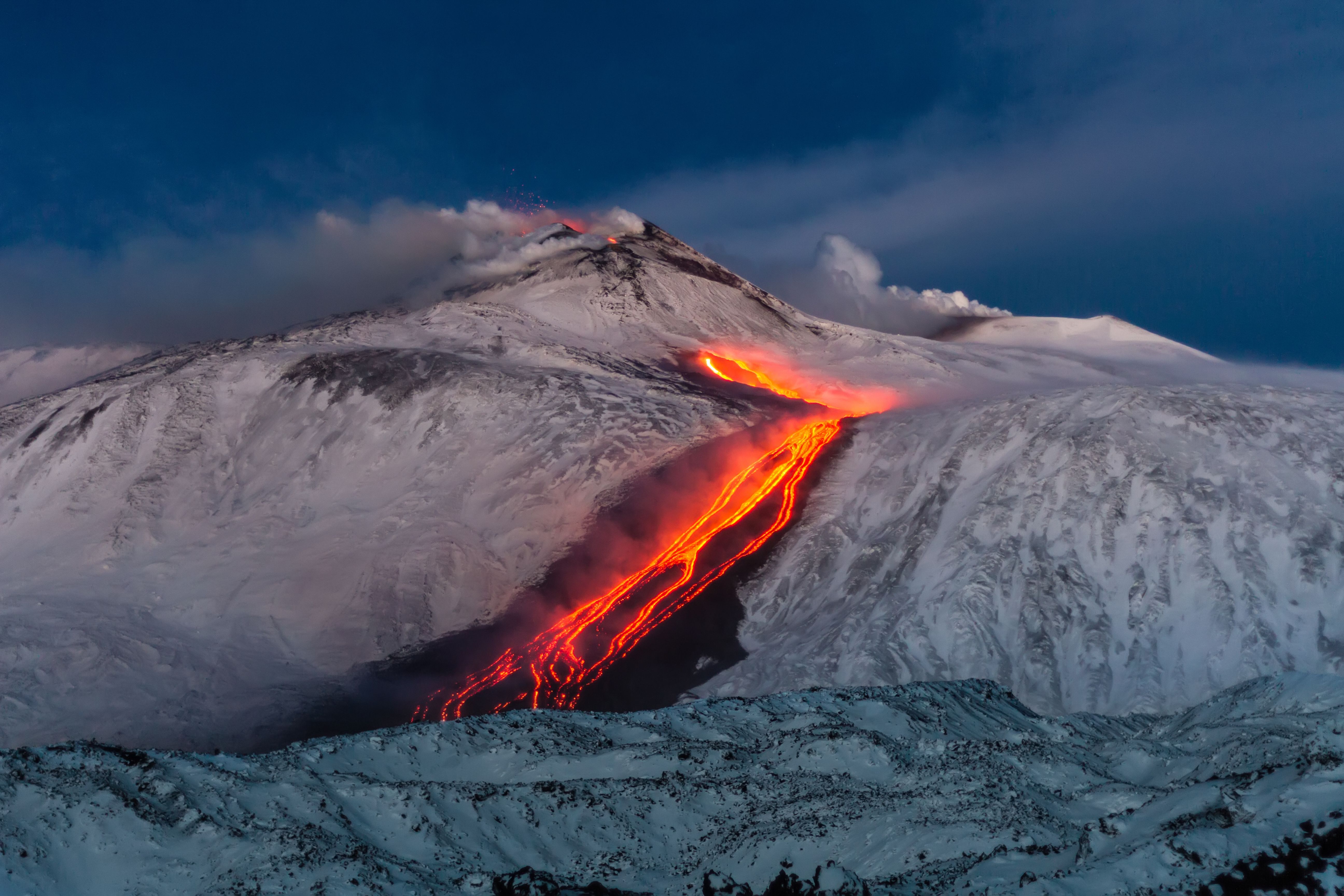
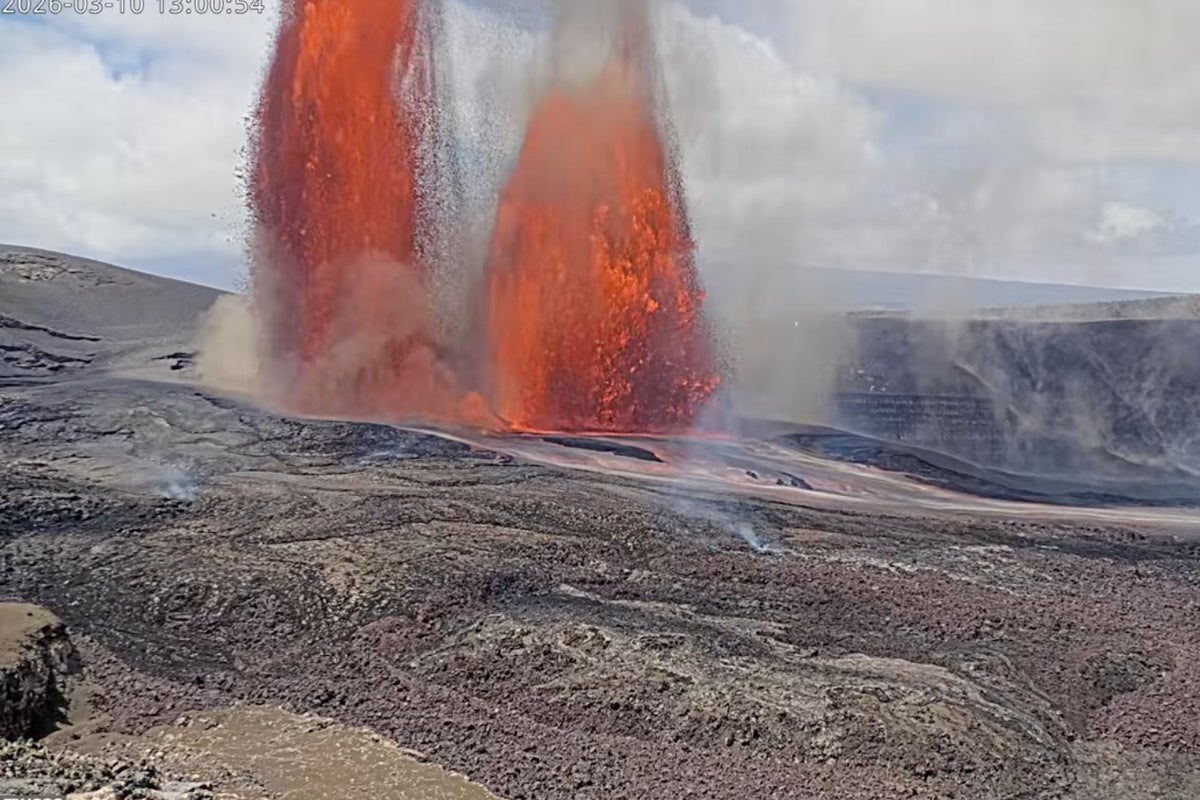
The U.S. Geological Survey (USGS) dropped its latest advisory, and it contains a fascinating piece of science that completely upends the usual sensational headlines. Yes, the Hawaiian Volcano Observatory (HVO) expects Kilauea volcano to erupt again within days, specifically predicting an event between May 24 and May 27.
But here is the kicker: the massive 6.0 earthquake and the upcoming volcanic eruption are practically strangers. They aren't part of the same immediate plumbing system.
If you're trying to understand what's actually happening beneath the Pacific plate right now, you need to look past the scary headlines and look at how these massive islands actually behave.
The Massive Weight Problem of the Hawaiian Chain
When the 6.0 quake struck just before 10 p.m. local time near Honaunau-Napoopoo on the west side of the Big Island, it triggered over 2,500 felt reports within an hour. It felt like a violent, slow-rolling monster that lasted for a solid minute.
You’d think a force that violent means magma is furiously tearing its way to the surface. It isn't.
The USGS explicitly stated that the depth, location, and seismic waveforms show this quake was caused by the sheer, staggering weight of the Hawaiian island chain itself. Think about it. Millions of years of volcanic eruptions have piled billions of tons of heavy basaltic rock onto a single spot on the Pacific oceanic plate.
That oceanic plate is tough, but it isn't completely rigid. Under that unimaginable weight, the plate bends.
When the plate bends and flexes, it snaps under the stress. This specific quake happened deep down—about 14 miles beneath the surface. Magma-driven earthquakes, the ones that actually tell us a volcano is about to blow its top, are typically shallow, occurring just a mile or two down as molten rock forces open underground fractures.
A deep 14-mile snap is just the earth groaning under its own weight. It’s an island-loading event, not a volcanic countdown.
Kilauea is Doing Its Own Thing
While the west side of the island was shaking from deep crustal bending, Kilauea on the southeast side was already busy planning its next move. Kilauea has been erupting episodically since December 23, 2024, and has been highly active throughout May.
The HVO scientists use advanced forecast models that track localized ground deformation and shallow, micro-earthquake swarms directly under the summit. These models point to a brand-new eruption in the coming days.
- The Epicenter Split: The 6.0 earthquake struck the west flank of Mauna Loa, miles away from Kilauea's active rift zones.
- The Pressure Systems: Kilauea’s magma chamber is highly localized. It doesn't get triggered like a light switch by a deep tectonic flex on the other side of the island.
- The Warning Signs: Real eruption warnings look like tiny, rapid-fire quakes—hundreds an hour—combined with the ground swelling up like an inflating balloon.
Local emergency management officials, including the Hawaii County Civil Defense, checked the instruments immediately after the rolling stopped. The verdict was clear. No structural changes occurred at Mauna Loa, and Kilauea's internal pressure systems didn't spike or alter their steady trajectory. The upcoming eruption is following its own calendar.
What to Actually Expect in the Coming Days
If you live on the islands or have travel plans, you don't need to panic, but you do need to know how to read the situation.
First, ignore any talk of a tsunami. The Pacific Tsunami Warning Center cleared the event immediately because deep, plate-bending earthquakes under land rarely displace the massive volumes of seawater needed to generate a wave.
Second, prepare for aftershocks. A 3.2 magnitude shaker hit just six minutes after the main event. You're going to feel smaller tremors over the next week as the local rock settles back into place.
Third, keep your eyes on the skies and official HVO updates regarding Kilauea. When the forecast eruption happens, it will likely be contained within the national park, offering spectacular views rather than widespread destruction.
Check your home utilities for gas or water line cracks if you experienced very strong shaking in South Kona. Secure loose shelves, keep your emergency kits updated, and look at the official USGS map data rather than social media rumors when the ground starts moving.