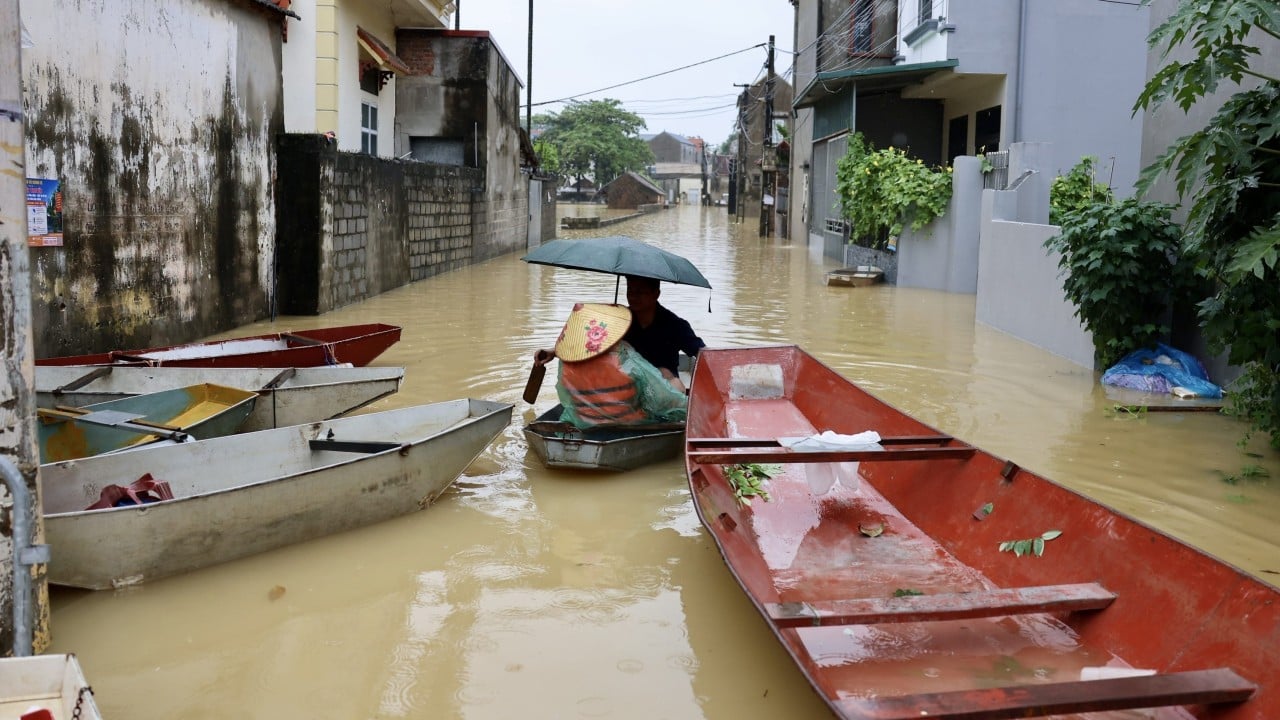
Water doesn't knock. It just arrives. When torrential downpours battered northern and central Vietnam, over 16,000 homes disappeared beneath murky brown water almost overnight.
If you've never watched an urban center turn into a swift-moving river in a matter of hours, it looks surreal. Motorbikes stall out in waist-deep sludge. Residents drag aluminum skiffs out of storage to paddle down what used to be neighborhood streets. But behind the striking imagery of people floating past storefronts lies a brutal reality. Three people lost their lives in a sudden landslide in Da Bac, Phu Tho province, while rescue teams raced against rising water levels elsewhere. If you liked this article, you might want to look at: this related article.
Let's look at what actually happened on the ground, why infrastructure buckled so fast, and what this means for communities living on the front lines of extreme weather.
The Scale of the Deluge
The numbers tell a grim story, but they don't capture the sheer speed of the disaster. According to the Vietnam Disaster and Dyke Management Authority, the damage stretched across multiple northern and central provinces. For another perspective on this development, refer to the recent coverage from The New York Times.
Rainfall exceeded 150 millimeters in several parts of Hanoi alone from Wednesday night into Thursday morning. That kind of volume overwhelms urban drainage systems anywhere in the world. Hanoi's outskirts, including places like Xuan Mai and parts of Ninh Binh province, turned into sprawling lakes.
- Over 16,000 homes were inundated or structurally compromised.
- Nearly 25,000 hectares of vital agricultural crops and aquaculture were ruined.
- Critical transport corridors, including parts of the North-South railway and multiple national highways, suffered severe blockages from landslides.
Trains stopped running smoothly. Passengers had to be transshipped by road around flooded rail segments where water breached one meter deep. When transportation networks snap like this, supply chains freeze. Food distribution slows down, medical access gets complicated, and emergency response units have to choose where to deploy limited resources first.
Why Vulnerability Keeps Rising
Vietnam is no stranger to typhoons and heavy seasonal rains. The region deals with weather anomalies year after year. Yet, the severity of urban and rural flooding highlights a persistent engineering and planning puzzle.
Rapid urbanization plays a massive role. As concrete replaces natural wetlands and absorption soil around growing metropolitan peripheries, rainwater has nowhere to go. It runs off hard surfaces straight into local river basins and overwhelmed drainage canals.
Compounding the issue, river dykes face immense pressure. During this specific weather event, authorities reported critical incidents along the Day River dyke in Ninh Binh and overtopping water spanning more than a kilometer of embankments in Hanoi's suburban communes. When dykes are breached or overtopped, the flood isn't just rainwater pooling from the sky; it's a controlled river spilling violently into residential zones.
Local authorities mobilized 24-hour duty rosters and emergency response teams to handle evacuations. Moving hundreds of families out of low-lying areas saved lives, but it also exposed how many households remain vulnerable to sudden displacement whenever a tropical depression stalls overhead.
Dealing With the Aftermath
Recovery is never just about pumping water out of basements. Once the rains stop, the real work begins. Mold, contaminated water supplies, destroyed livestock, and ruined winter crop investments hit local farmers and urban working families the hardest.
Insurance penetration for property damage from floods remains exceptionally low across much of Southeast Asia. Most families absorb these losses out of pocket, relying on personal savings, community support, and government relief packages to rebuild ruined walls and replace warped furniture.
Weather patterns aren't getting gentler. If you're living in low-lying tracts or near riverbanks across northern and central Vietnam, preparing for rapid-onset deluges is no longer optional. Communities are learning that early warning systems and elevated storage spaces for valuables can mean the difference between a minor inconvenience and total household devastation.
Stay alert when meteorological agencies flag heavy rainfall warnings. Keep emergency kits ready, move electrical appliances off the ground floor early, and don't try to drive through unfamiliar moving water. A stalled engine is the least of your worries when the street turns into a river.