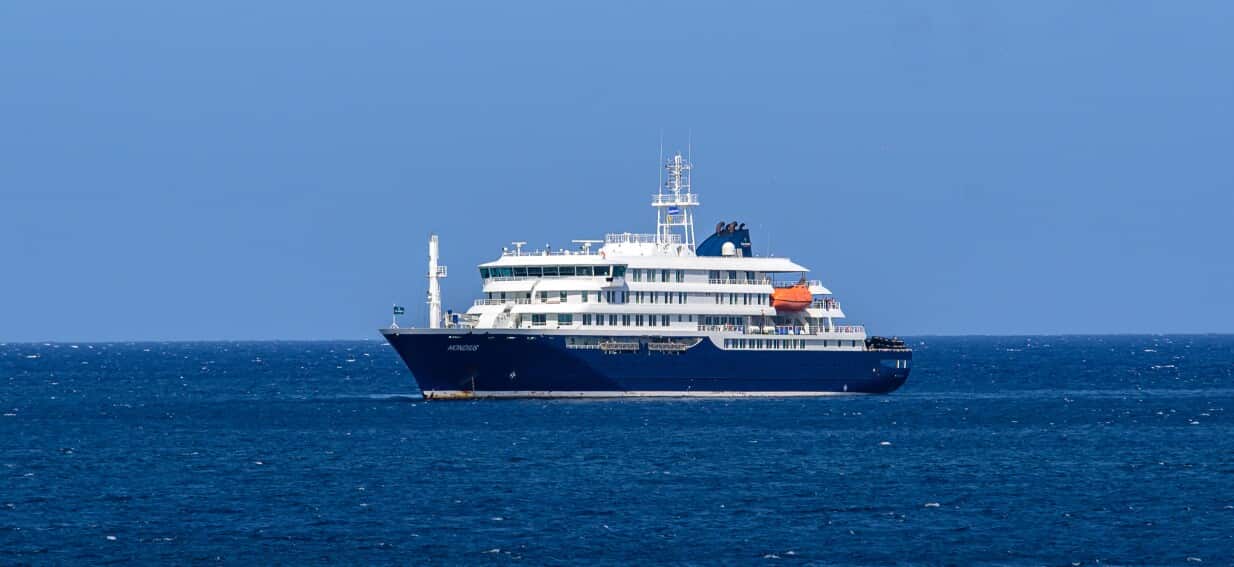
The recent identification of a hantavirus case aboard an Atlantic cruise ship represents a failure of standard maritime biosafety protocols to account for specific rodent-borne transmission vectors in confined, high-density environments. Unlike common gastrointestinal outbreaks like Norovirus, hantaviruses are categorized as viral hemorrhagic fevers (VHFs) or pulmonary syndromes, depending on the specific strain. They do not spread via human-to-human contact. The risk profile of a cruise ship environment is dictated entirely by the intersection of rodent entry points, waste management efficiency, and the physics of aerosolized particles in HVAC systems.
The Taxonomy of Risk: HFRS vs HPS
Understanding the threat requires distinguishing between the two primary clinical manifestations of hantaviruses. The classification is determined by the specific viral strain and the geographical origin of the vector.
- Hemorrhagic Fever with Renal Syndrome (HFRS): Predominantly found in Europe and Asia (Old World strains like Hantaan, Seoul, and Puumala). Clinical progression involves sudden high fever, headache, back pain, and varying degrees of kidney failure. The Seoul virus is globally distributed because its host—the brown rat (Rattus norvegicus)—is a primary passenger on international shipping vessels.
- Hantavirus Pulmonary Syndrome (HPS): Predominantly found in the Americas (New World strains like Sin Nombre or Andes virus). This is a severe respiratory disease with a mortality rate of approximately 38%. It begins with flu-like symptoms but rapidly progresses to acute respiratory distress and fluid accumulation in the lungs.
On an Atlantic vessel, the most probable culprit is the Seoul virus. While less lethal than the New World HPS strains, Seoul virus remains a significant morbidity risk due to its potential for renal devastation.
The Transmission Mechanics of Atypical Environments
The belief that hantavirus requires direct physical contact with a rodent is a dangerous misconception. The primary mechanism of infection is aerosolization.
Rodents, specifically deer mice, white-footed mice, or rats, shed the virus in their saliva, urine, and feces. As these waste products dry, the viral particles become airborne. In a cruise ship context, this creates three distinct risk zones:
The HVAC Concentration Point
Cruise ships rely on complex, recirculating air systems. If a rodent infestation occurs within the ductwork or near intake valves, the mechanical vibration of the ship can disturb dried excrement. This turns the ventilation system into a distribution network for viral aerosols. Standard HEPA filtration may catch many particulates, but minor leaks or maintenance lapses in pressurized zones allow sub-micronic viral particles to enter passenger cabins.
Sub-Deck Logistics and Waste Management
The "behind-the-scenes" areas of a ship—galley storage, waste processing rooms, and luggage holds—are the natural habitats for opportunistic rodents. The high turnover of food waste provides a constant caloric source. The transmission risk here is highest for crew members who disturb nesting materials while cleaning or moving inventory.
Shore-to-Ship Integration
The entry of the virus onto an Atlantic vessel is rarely spontaneous. It occurs at the interface of port logistics. Grain shipments, palletized cargo, and even passenger luggage can serve as "Trojan horses" for infected rodents or their waste.
The Biological Barrier: Why Human-to-Human Spread is Negligible
A critical point of public anxiety is the fear of a "contagion" event among passengers. Current virological data confirms that hantaviruses—with the extremely rare exception of the Andes virus in South America—do not jump from person to person.
The virus lacks the necessary surface proteins to effectively bind to human upper respiratory receptors in a way that allows for transmission via coughing or sneezing. It is a zoonotic dead-end. Therefore, an outbreak on a ship is not a "wave" of infection spreading through the crowd; it is a series of independent exposure events stemming from a localized environmental source. If five people are infected, they were all likely exposed to the same contaminated air pocket or surface, rather than infecting one another.
Clinical Progression and Diagnostic Latency
The incubation period for hantavirus is notoriously broad, ranging from one to eight weeks. This creates a significant "diagnostic lag" in maritime medicine. A passenger may be exposed on day three of a transatlantic crossing but not show symptoms until three weeks after they have returned home.
Phase 1: The Febrile Prodrome (Days 1–5)
Symptoms are non-specific: fever, chills, myalgia (specifically in the large muscle groups like thighs and back), and gastrointestinal distress. At this stage, hantavirus is frequently misdiagnosed as influenza or common seasickness.
Phase 2: The Critical Shift
In HFRS (Seoul virus), the patient enters a hypotensive stage where blood pressure drops and internal hemorrhaging may begin. In HPS, the lungs begin to fill with fluid (pulmonary edema). This transition is sudden and requires immediate intensive care, often involving mechanical ventilation or dialysis.
The lack of a rapid, bedside diagnostic test for hantavirus on most commercial vessels means that medical officers must rely on differential exclusion. If a patient presents with sudden-onset renal distress and there is any evidence of rodent activity on the ship, hantavirus must be the primary working hypothesis.
Operational Countermeasures for Maritime Operators
Managing the risk of hantavirus requires a shift from reactive sanitation to proactive environmental engineering.
Integrated Pest Management (IPM) 2.0
Traditional traps are insufficient for a modern cruise liner. Operators must employ "Rodent-Proofing" at the structural level. This includes the installation of 19-gauge hardware cloth over all ventilation intakes and the use of copper mesh to seal cable runs between decks.
Decontamination Protocols
Standard cleaning agents are often ineffective against dried viral bio-matter if they are applied incorrectly. When cleaning suspected rodent areas, the "Dry Sweep Prohibition" is the first rule of safety. Sweeping or vacuuming stirs up the very aerosols that cause infection. Instead, surfaces must be saturated with a 10% bleach solution or a high-level disinfectant to "wet down" the dust before it is wiped away.
Crew Training and Surveillance
The ship’s medical team should maintain a "Rodent Sighting Registry." Any report of a rodent by a crew member should trigger a localized inspection of the HVAC filters in that zone. High-risk zones, such as food storage and waste processing, should undergo monthly ATP (Adenosine Triphosphate) testing to monitor for biological contamination beyond mere visual inspections.
The Limitations of Current Maritime Health Standards
The Vessel Sanitation Program (VSP) managed by the CDC focuses heavily on food safety and gastrointestinal pathogens. There is a systemic gap in addressing zoonotic respiratory threats. Current protocols for "Respiratory Illness Clusters" on ships are designed for COVID-19 or Influenza, emphasizing masks and isolation. While masks (specifically N95s) are effective against hantavirus aerosols, the emphasis on isolation is misplaced for a non-communicable zoonosis. The focus must remain on the environmental source.
If a hantavirus case is confirmed, the strategic priority is not isolating the patient, but tracing their movement to identify the specific zone of exposure. This involves:
- Mapping the patient’s cabin location relative to the ship’s primary vertical air shafts.
- Auditing the maintenance logs of the specific air handling units serving that deck.
- Conducting a thermal imaging sweep of the surrounding bulkheads to identify hidden nesting sites or heat signatures of rodent activity.
Future Projections for Maritime Biosafety
As cruise ships increase in size and complexity, the internal ecosystem becomes harder to regulate. The "Mega-Ship" architecture creates vast, inaccessible voids between passenger areas and the hull—areas where rodent populations can thrive undetected.
The maritime industry will likely see a move toward automated biosensing. Future HVAC systems could integrate real-time air quality monitors capable of detecting specific biological markers or high concentrations of organic particulates. Until then, the primary defense remains a rigorous, clinical adherence to vector exclusion and a rejection of the "flu-like symptoms" dismissal in the ship's infirmary.
Operators must treat a single confirmed case not as an isolated incident of bad luck, but as a definitive indicator of a breach in the ship’s physical integrity. The strategic response is a full-scale environmental audit, prioritizing the decontamination of the air distribution network and the immediate hardening of the ship-to-shore supply chain.