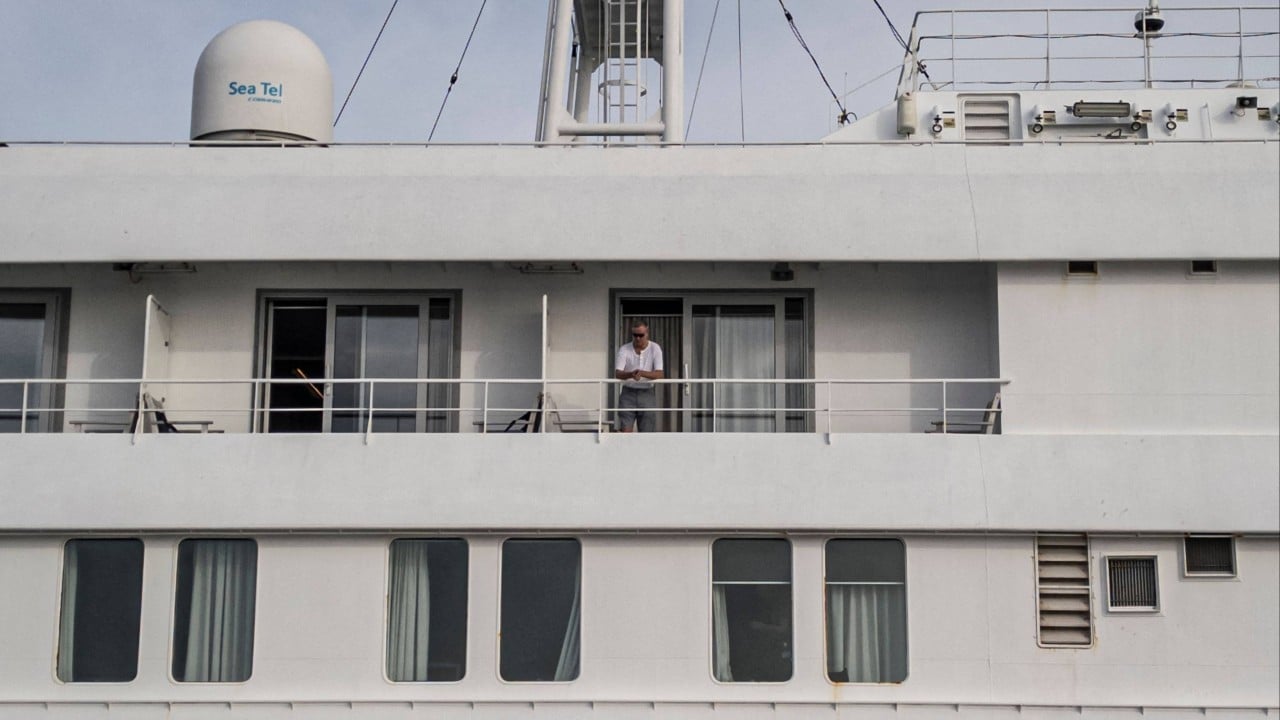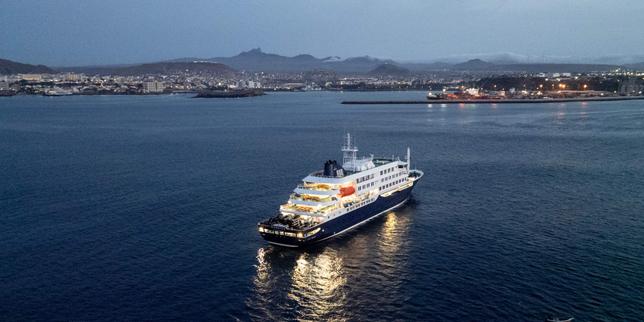
A luxury cruise ship currently idling off the coast of the Canary Islands is no longer a vacation vessel. It is a biological hazard site. As Spanish authorities prepare for a massive Monday morning evacuation of hundreds of passengers, the focus has shifted from the immediate medical crisis to a much more damning question. How did a virus typically found in the rural wilderness of the Americas end up paralyzing a multi-million dollar vessel in the Atlantic?
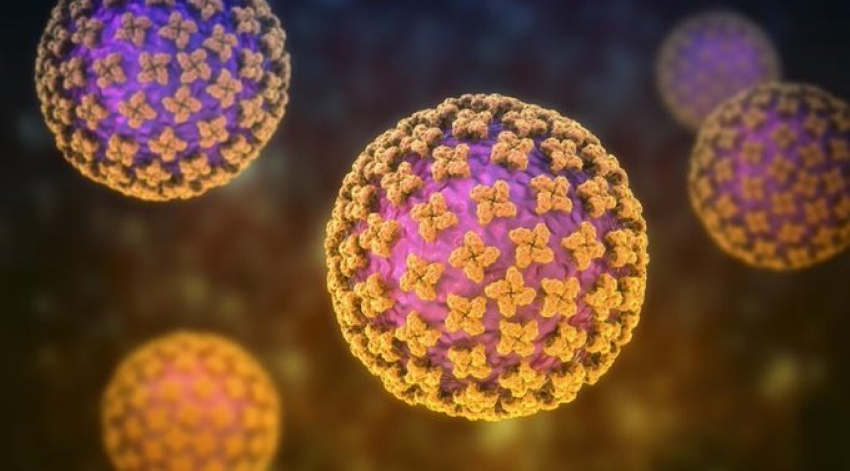
Hantavirus is not the flu. It does not spread like the common cold. It is a zoonotic pathogen, meaning it jumps from animals to humans—specifically through contact with the urine, droppings, or saliva of infected rodents. For such an outbreak to occur on a modern cruise liner, the ship’s internal sanitation barriers must have suffered a catastrophic collapse. While the operator scrambles to frame this as an isolated incident of "unfortunate timing," the reality points toward a systemic failure in pest control and the hidden logistics of maritime food supplies.
The evacuation scheduled for Monday isn't just a logistical hurdle. It is a desperate race to prevent a ship-wide surge of Hantavirus Pulmonary Syndrome (HPS), a severe respiratory disease with a mortality rate that can climb as high as 38 percent.
The Rodent Pipeline and the Failure of Port Security
The public often views cruise ships as sterile, floating hotels. Industry insiders know they are massive, interconnected ecosystems that are incredibly difficult to keep "clean" in the biological sense. The primary theory among maritime inspectors isn't that a passenger brought the virus aboard. Humans are dead-end hosts for Hantavirus; we generally don't spread it to each other. Instead, the virus likely boarded the ship via a contaminated shipment of dry goods or within the nesting materials of "hitchhiking" rodents during a recent port call.
Every time a ship docks, it opens its massive bay doors to take on tons of produce, grains, and linens. If a warehouse at the point of origin has a rodent infestation, the virus enters the ship's most sensitive areas—the galleys and storage lockers. Once inside, the ship’s HVAC system can inadvertently do the rest of the work. When rodent waste is disturbed, the virus becomes aerosolized. Tiny droplets of infection are pulled into the ventilation ducts and distributed into the cramped quarters of the crew and the luxury suites of the passengers.
The Canary Islands evacuation suggests that the onboard containment measures failed. If the infection were limited to a single storage room, a quiet quarantine would have sufficed. The fact that the Spanish government and maritime health authorities are pulling everyone off the ship indicates that the "hot zone" is likely the ship’s central air or its primary food distribution chain.
Why the Industry Standard for Sanitation is Not Enough
Current maritime regulations focus heavily on Norovirus and Legionella. These are the traditional villains of the cruise world. Norovirus is about handwashing; Legionella is about water temperature. Hantavirus is a different beast entirely. It represents a failure of the physical perimeter.
Most cruise lines use "passive" pest management. They set traps and conduct visual inspections. However, the modern supply chain is so fast and so global that a pallet of flour can move from a rodent-infested mill to a cruise ship’s pantry in forty-eight hours. The virus remains viable on surfaces and in dust for several days. If the ship’s crew isn't trained to recognize the specific signs of a Hantavirus-carrying species—often the deer mouse or rice rat—they might treat a sighting as a minor nuisance rather than a level-four biohazard.
The Breakdown of International Health Regulations
Under the International Health Regulations (2005), ships are required to maintain a Ship Sanitation Control Exemption Certificate. This document is supposed to prove the vessel is free of "infection and contamination, including vectors and reservoirs."
The current crisis exposes the weakness of these certificates. They are often "rubber-stamped" in busy ports where inspectors spend less than two hours on a vessel that is nearly a thousand feet long. You cannot inspect ten decks and thousands of rooms for microscopic viral threats in the time it takes to eat lunch. The system relies on self-reporting, and cruise lines have a massive financial incentive to keep the engines turning and the passengers drinking.
The Monday Evacuation Logistics
When the gangways drop on Monday in the Canaries, the process will look more like a military operation than a disembarkation. Passengers will be tiered based on their proximity to the "index case" or the specific zones of the ship where the virus was detected.
- Zone A (Direct Exposure): Passengers and crew who frequented the specific dining rooms or cabins where rodent activity was confirmed. These individuals will likely face immediate hospitalization or high-security quarantine.
- Zone B (General Population): Those who were on the ship but showed no symptoms. They will be tracked by health agencies for a 1-to-5 week incubation period.
- The Crew: Often the forgotten victims in these scenarios. The crew lives in the lowest parts of the ship, often closest to the storage areas where rodents are most likely to hide. Their infection rate will be the true barometer of how long this problem was ignored before the public was notified.
The Spanish authorities are facing a nightmare. They must find a way to clear a massive vessel without introducing a foreign pathogen into the local population. While Hantavirus doesn't typically move human-to-human, the risk of "secondary" environmental contamination during a messy evacuation is real.
The Financial Fallout and the Cost of Cutting Corners
The cruise industry is currently in a "revenge travel" boom, with ships sailing at 100 percent capacity to make up for the losses of the early 2020s. This pressure to maintain a grueling schedule leads to "hot-turning" the ship. This is the practice of offloading 3,000 people and onboarding 3,000 more in a matter of hours.
During these turns, deep cleaning is a myth. The staff has enough time to change the sheets and vacuum the carpets, but they do not have the time to pull back panels, inspect the "back-of-house" wiring for rodent gnawing, or sanitize the deep recesses of the ventilation system. The Hantavirus outbreak is the price of this speed.
It is a math problem where the variables are profit margins and passenger safety. Until the cost of a full ship evacuation and the subsequent lawsuits outweighs the profit of these rapid turnarounds, the biological integrity of these vessels will remain compromised.
The Reality of the "Safe" Vacation
For the passengers currently trapped on board, the luxury has evaporated. They are in a steel box with a virus that causes their lungs to fill with fluid. The trauma of this event will likely lead to a wave of litigation that focuses on the ship’s maintenance logs and its history of pest control "near-misses."
Lawyers will be looking for the "Noon Reports" and the sanitation logs from the last six months. They will want to see if the crew reported "vermin" and if those reports were suppressed by management to avoid a port delay. In the maritime world, paper trails tell the stories that PR departments try to bury.
The immediate priority is the health of those on board. But as soon as the last passenger steps onto the soil of the Canary Islands, the scrutiny must turn toward the dry docks and the boardrooms. This wasn't a "freak accident" of nature. It was a failure of the very basic duty of care that every passenger pays for when they buy a ticket.
Immediate Steps for Maritime Safety Reform
This incident must serve as a catalyst for a complete overhaul of how we monitor the "cargo-to-cabin" pipeline.
- Mandatory Viral Dust Testing: Cruise lines should be required to test the dust in their HVAC intake systems for viral RNA, including Hantavirus and other zoonotic threats, before every departure.
- Point-of-Origin Audits: It is no longer enough to inspect the ship. The warehouses that supply the ship must be held to the same biological safety standards as the vessel itself.
- Whistleblower Protections for Crew: Crew members who report pest infestations must be protected from retaliation. Often, those at the bottom of the ship’s hierarchy see the danger weeks before it reaches the passengers.
The evacuation on Monday is the beginning of the end for this specific voyage, but it is just the start of a much-needed reckoning for the cruise industry. The sea is a dangerous place, and the most lethal threats are often the ones you can't see until it's too late to turn back toward the shore.
The industry must decide if it wants to be a provider of luxury travel or a high-speed vector for the world's most dangerous pathogens. You cannot be both. The passengers in the Canary Islands are currently paying the price for the industry's attempt to bridge that impossible gap.
Check your cabin. Check the vents. If you see a shadow scurry in the corner of the buffet, it’s not just a nuisance. It is a warning.