Mass panic is a choice. On Monday afternoon, the final two evacuation flights will depart from a ship currently paralyzed by a hantavirus outbreak. The media is painting this as a heroic rescue mission. In reality, it is a catastrophic failure of risk management and a masterclass in reactionary optics.
By pulling every soul off that vessel, regulators and health officials aren't just overreacting—they are setting a precedent that will cripple the maritime industry the next time a rodent hitches a ride on a bulk carrier. We have traded long-term operational logic for the immediate dopamine hit of "doing something."
The Rodent in the Room
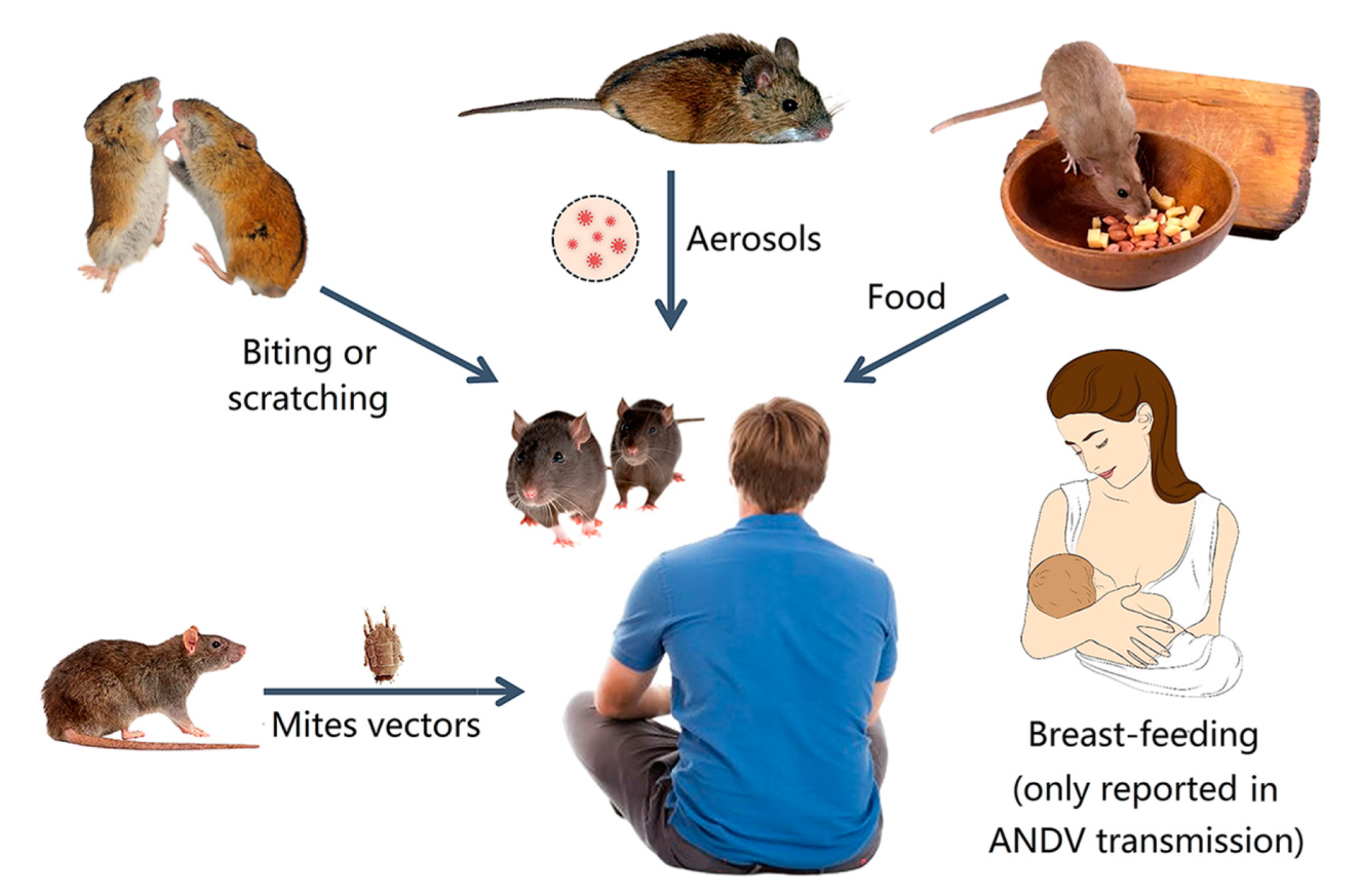
Hantavirus is not the plague. It is not airborne between humans. Let’s look at the biology before we spend another dime on chartered jets. The CDC and various health authorities confirm that Hantavirus Pulmonary Syndrome (HPS) is transmitted through contact with infected rodent excreta—urine, droppings, or saliva.
The "lazy consensus" suggests that a ship with a viral presence is a floating tomb. It isn't. It is a controlled environment. Unlike a city or a sprawling airport, a ship has a defined perimeter, a finite ventilation system, and a manifest that accounts for every person on board.
When we evacuate, we satisfy the PR department. We fail the science.
The False Security of the Empty Vessel
Evacuation solves the symptom; it ignores the structural rot. I have seen shipping lines burn through eight-figure sums on "emergency logistics" while the underlying sanitation issues that allowed a rodent infestation to reach critical mass remain unaddressed.
If the goal is public safety, moving potentially exposed individuals through commercial air hubs and into land-based quarantine facilities is a logistical nightmare with higher failure rates than on-board isolation. On the ship, you have a contained cohort. In a frantic evacuation, you have moving targets.
We are treating this like an Ebola outbreak. It is a pest control failure.
The Cost of the "Safety First" Lie
"Safety first" is the most expensive lie in the corporate dictionary. True safety is calculated risk. Total risk aversion is just cowardice with a budget.
By prioritizing these high-profile evacuations, we are teaching crew members and operators that the answer to any biological hitch is a total shutdown. This creates a moral hazard. Why invest in superior, high-frequency sanitation and on-board medical facilities if the government will just fly everyone home the moment a rat sneezes?
Consider the math. A single specialized medical evacuation flight can cost upwards of $100,000 depending on the distance and level of containment required. Multiplied across a fleet or a sustained crisis, these costs aren't just "the price of doing business"—they are the death knell for mid-sized operators.
Practical Logistics Over Performance Art
If we wanted to actually solve the problem, the Monday afternoon flights wouldn't be for the people. They would be for the specialized industrial cleaning crews and virologists.
Instead of moving the humans, move the solutions.
- Zonal Containment: Modern vessels are modular. If an infestation is localized to a galley or a specific deck, you seal it. You don't abandon the entire multi-million dollar asset.
- On-Site Testing: The technology exists to run rapid diagnostics on-board. We don't need to fly people to land-based labs to determine if they’ve been exposed to $Sin\ Nombre$ virus or any other variant.
- Sanitation Infrastructure: The real scandal isn't the virus; it's that the ship’s maintenance allowed it to happen. We should be discussing international maritime law regarding hull integrity and waste management, not flight schedules.
The Myth of Global Containment
The general public asks: "Why can't we just get them off the ship?"
The better question is: "What happens when you do?"
History shows that rapid evacuations during viral scares often lead to "leakage." When you move people in a state of high stress, protocols break. PPE gets snagged. Paperwork gets lost. By the time those final two flights land on Monday, you haven't eliminated the risk—you've just redistributed it to the ground crews, the bus drivers, and the hospital intake staff.
I’ve watched companies spend millions on "secure transport" only to have a staff member accidentally break protocol because they were rushing to meet a televised departure window. Speed is the enemy of safety.
Stop Running and Start Cleaning
The hantavirus-hit ship is a symptom of a broader industry obsession with optics over outcomes. We love the drama of the "last flight out." We hate the boring, daily work of maintaining a biological firebreak on our vessels.
If you own a fleet, stop looking at the evacuation as a model. Look at it as a cautionary tale of how to lose control of your narrative and your bottom line simultaneously.
The Monday flights are a surrender. We are surrendering to the idea that our ships cannot be managed in a crisis. We are admitting that our maritime infrastructure is so fragile that a single rodent can force a total retreat.
The solution isn't another plane. It’s a mop, a mask, and the courage to stay on the water.
Fix the ship. Leave the cameras at the gate.