Placing priceless cultural history inside cardboard boxes on an open airport tarmac during a torrential tropical downpour sounds like a bad joke. Unfortunately, it is an expensive reality for a high-end art dealer in New York.
An insurance brokerage recently filed a lawsuit demanding over $521,900 from Alaska Airlines and its subsidiary Hawaiian Airlines. The claim stems from a catastrophic cargo transfer at Daniel K. Inouye International Airport in Honolulu. Eleven original Japanese paintings, traveling from Osaka to New York for Naga Antiques, were soaked through and heavily damaged. Recently making news recently: Why Relying on Homeowners Insurance is a Financial Death Trap.
The Anatomy of an Air Cargo Disaster
The shipment involved a multi-leg journey on March 18. The artworks left Kansai International Airport packed tightly inside standard crates. They were scheduled to transfer in Honolulu onto a connecting flight heading toward the United States mainland.
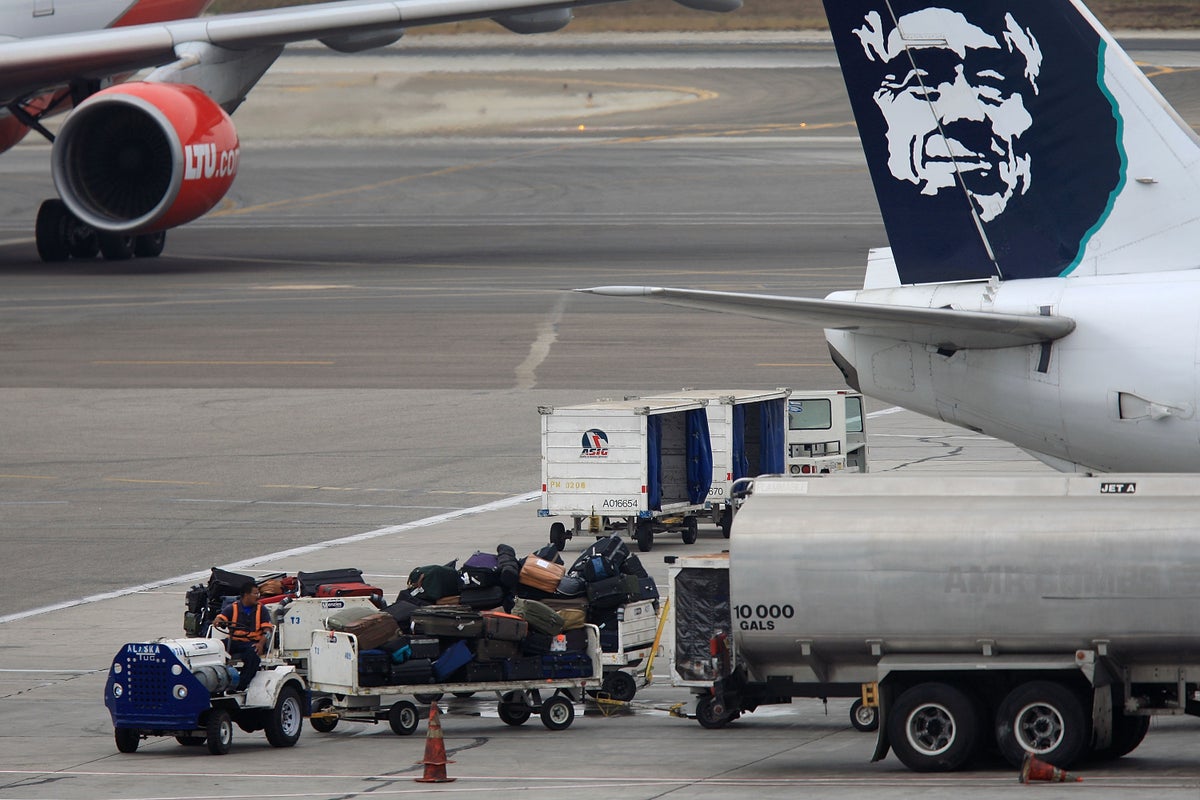
Instead of being kept safe in a dry transfer facility, the crates were deplaned right into a severe rainstorm. According to legal filings from Distinguished Programs Insurance Brokerage—which already paid out the gallery's claim—ground crews made zero effort to shield the shipment from the elements. Further information regarding the matter are explored by Harvard Business Review.
Paper art hates water. Once moisture breaches cardboard enclosures, the damage happens fast. Pigments bleed, fibers warp, and historical value evaporates instantly.
Where Liability Gets Messy
Airlines have notoriously airtight contracts of carriage. When you ship valuable cargo, standard liability limits often apply unless you declare a higher value and pay steep surcharges. But this case goes beyond standard lost luggage claims.
The lawsuit explicitly accuses Alaska Airlines, Hawaiian Airlines, and freight forwarder Compass Forwarding of gross neglect, reckless disregard, and willful misconduct. Proving willful misconduct is a high legal hurdle. The plaintiffs must show that the carrier knew their actions would likely cause damage and did it anyway.
At the same time, defense lawyers will likely scrutinize the packaging choices. Relying solely on basic cardboard crates for international transit of fine art—especially through regions known for volatile weather—raises serious questions. Shippers usually mandate waterproof inner seals, plastic wrapping, or hard-shell flight cases for museum-grade pieces.
What Fine Art Shippers Can Learn
If you move high-value assets across international borders, you cannot trust standard commercial baggage handling protocols to treat your items with care.
- Insist on climate-controlled tarmac transfers: Ask your freight forwarder to verify whether cargo sits in open-air dollies during layovers.
- Over-engineer your packaging: Cardboard absorbs moisture within minutes. Always use heavy-duty, waterproof secondary barriers inside outer crates.
- Audit your insurance policies: Ensure your fine art insurance covers transit mishaps, tarmac exposure, and carrier negligence explicitly.
Check your shipping contracts today before sending fragile inventory through high-risk hubs during storm season.