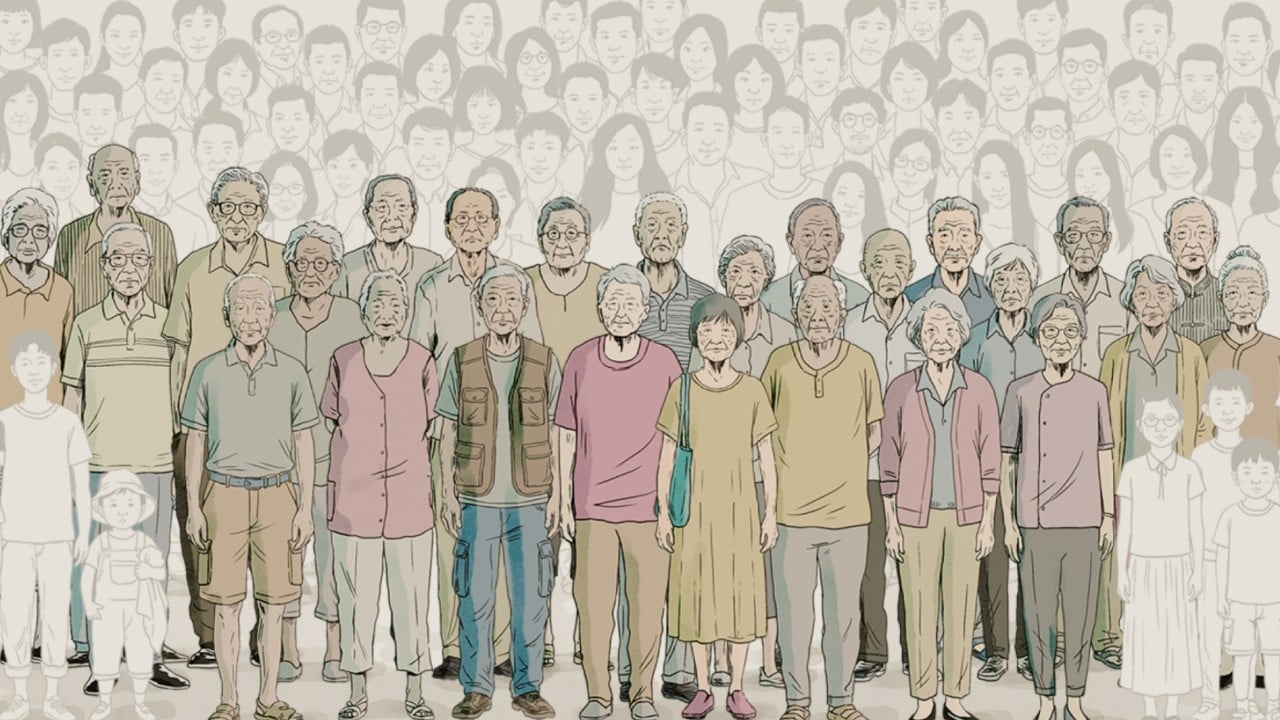
You have probably seen the grim headlines about Hong Kong turning into a giant retirement home. By 2025, one in four people here hit the age of 65 or older. Look out twenty years, and that number jumps to more than a third of the population. The media loves to paint a bleak picture of this shift, showing images of exhausted seniors pushing cardboard carts down Sham Shui Po alleys or patients stuck on gurneys in overcrowded public hospital hallways.
It is easy to look at those images and feel a creeping sense of dread about aging in this hyper-dense city. Meanwhile, you can read related stories here: The Concrete Cure How a City Park Learned to Breathe Again.
But is it actually that bad? Honestly, no.
If you look past the sensationalized stories, the reality of growing old in Hong Kong looks entirely different. The city has major infrastructure flaws, but it also offers massive structural advantages that make it one of the easiest places in the world to grow old gracefully. There is a reason Hong Kong consistently tops global charts for life expectancy, with men averaging 82.7 years and women reaching a staggering 88.2 years. You do not hit those numbers by accident or through misery. To explore the full picture, check out the recent analysis by ELLE.
The real question isn't whether you should fear aging here, but how well you understand the system. Let's break down the truth about what it actually looks like to age in Hong Kong, minus the media panic.
The Physical City is Built for Aging Feet
Most cities isolate older residents. Think of suburban sprawl where losing your driver's license means losing your independence. Hong Kong works in reverse. The brutal density that frustrates young adults turns out to be a massive safety net for seniors.
Everything is packed together tightly. You can walk out of a typical housing estate apartment and find a wet market, a pharmacy, a bakery, and a doctor's clinic within a five-minute radius. The urban design keeps people moving. Unlike car-dependent cultures, Hong Kong's infrastructure forces a baseline of daily physical activity. Footbridge networks, escalators, and MTR stations keep older residents walking. This regular, low-impact exercise keeps people mobile long into their eighties.
Public transport is incredibly accessible. The government's two-dollar transport scheme allows anyone aged 60 or older to ride the MTR, buses, ferries, and minibuses for a flat rate of two HK dollars. It sounds small, but it completely alters daily habits. It keeps older adults connected to the city. They don't get trapped in their apartments because a trip across town costs next to nothing. You see them every morning, riding the East Rail line to go hiking in the New Territories or taking the ferry to catch up with friends for dim sum.
The Two-Tiered Health Care Gamble
Healthcare is usually the biggest worry when thinking about old age. Hong Kong's medical setup is excellent but highly polarized. You need to know how to navigate it before you find yourself in a crisis.
The public system run by the Hospital Authority is world-class and shockingly cheap. A stay in a public hospital costs around 120 HK dollars per day, which includes surgery, medication, and meals. If you suffer a major emergency like a heart attack or a stroke, this public system is unmatched. They will save your life without draining your bank account.
The problem lies with chronic, non-life-threatening issues. If you need a hip replacement or cataract surgery, the public waitlist will test your sanity. Stable cases at Specialist Outpatient Clinics can face wait times stretching past 100 weeks.
Public Healthcare vs. Private Reality
Emergency Care: Public system is cheap, fast, and excellent.
Routine Surgeries: Public waitlists take years; private costs are high.
Medication: Public costs are minimal; private requires deep pockets.
To survive old age comfortably here, you cannot rely solely on public queues for elective procedures. Smart planning means securing high-quality medical insurance early or maintaining a dedicated cash cushion specifically for private treatments. This allows you to jump the public queue for quality-of-life surgeries while relying on the public system for major emergencies.
Domestic Help Changes the Game
In Western countries, growing frail often means moving into an expensive, clinical nursing home. In Hong Kong, aging in place is the standard, mostly due to the availability of live-in Foreign Domestic Helpers.
Hiring a live-in helper costs roughly 5,000 HK dollars a month, plus food and insurance. For an aging adult, this helper manages cooking, cleaning, grocery shopping, and medication schedules. It provides a level of affordable, one-on-one home care that is completely out of reach for middle-class families in London, New York, or Sydney.
Instead of being uprooted from a familiar neighborhood, seniors stay in their own homes, surrounded by their regular social circles. This setup preserves dignity and prevents the sharp mental decline that often follows a move to an institutional care facility.
The Dark Side You Can't Ignore
It would be dishonest to pretend aging here is a perfect experience. The city has major issues that require careful planning.
Wealth inequality dictates your experience. Oxfam reports show that over 580,000 elderly individuals live below the poverty line in Hong Kong. For those without savings, a pension, or family support, life is incredibly tough. The government's Old Age Living Allowance provides a basic financial floor, but it does not buy comfort in an expensive city.
Housing is another hurdle. If you do not own your apartment, rent will eat up your savings fast. Subsidized public housing is available, but the waitlist takes years. Urban renewal projects often push older tenants out of affordable, older walk-up buildings, forcing them into cramped subdivided flats away from their social circles.
Social isolation is a quiet threat too. As younger generations emigrate to the UK, Canada, or Taiwan, many parents find themselves living as "left-behind elderly." The physical city keeps you active, but it can still feel incredibly lonely if your family moves across the globe.
Your Strategic Roadmap
Aging in Hong Kong is only scary if you approach it without a plan. If you want to thrive here in your later years, you need to start taking specific actions right now.
- Secure your housing early: Own your living space clear of any mortgage before you stop working. Eliminating rent removes the biggest financial threat to a fixed retirement income.
- Lock down medical insurance now: Do not wait until you develop high blood pressure or diabetes. Get a policy that allows you to use private hospitals for elective procedures, so you never have to endure a two-year public waitlist.
- Build a silver social circle: Do not rely solely on your children for social interaction. Join local sports clubs, volunteer groups, or neighborhood associations. You need a local network of peers who live nearby.
- Audit your apartment for mobility: Prepare your home before your joints start to ache. Swap tubs for walk-in showers, add grab bars, and clear out unnecessary clutter to prevent falls.
Hong Kong is not a fragile place built of glass. It is a practical, efficient city that rewards preparation. If you organize your finances and healthcare options early, this city offers an independent, active, and deeply connected retirement that few other places can match.