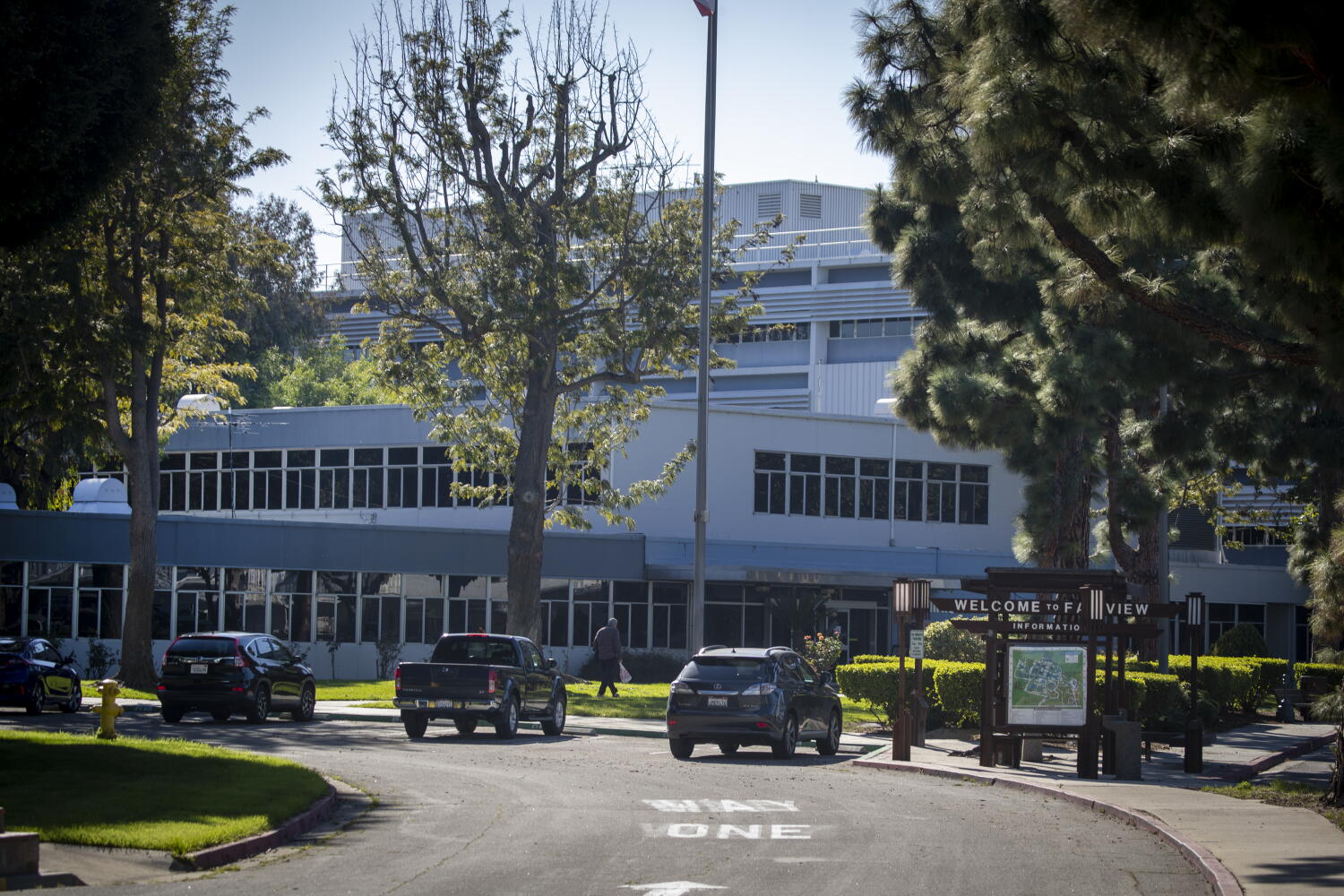
The transformation of the 95-acre Fairview Developmental Center site in Costa Mesa represents one of the most consequential urban redevelopments in Southern California, yet the official narrative masks a stark operational friction. After years of public wrangling over state-owned land, the Costa Mesa City Council officially adopted a specific plan capping residential yield at 2,300 dwelling units, alongside 920 designated affordable units, 25 acres of open space, and modest commercial footprints.
Yet behind the political celebrations of compromise lie financial projections that expose deep structural contradictions. City financial analyses indicate that a 2,300-unit cap triggers an estimated $233 million financial gap, whereas climbing toward a 3,450-unit or 4,000-unit model moves the project closer to viability. By artificially restricting the density on a massive state-owned parcel, officials may have inadvertently engineered a fiscal puzzle that private master developers will struggle to solve without substantial public subsidies. Also making waves in this space: The Arctic Land Grab Behind the Greenland Agreement Myth.
The Ghost of Institutional Use
The property's backstory sets a heavy stage. Operating since 1959 as a state facility for individuals with developmental disabilities, the campus wound down operations following severe scrutiny over institutional oversight and subsequent closures. Brief emergency deployments during the pandemic kept the grounds active, but the state ultimately relinquished direct programmatic use.
When Sacramento officials signaled readiness to dispose of the surplus acreage, municipalities across Orange County recognized a rare generational window. State guidelines encouraged high-density residential absorption to satisfy regional housing needs allocations. Local stakeholders, however, pushed back against the maximum densities studied in environmental impact reports. The state Department of General Services had previously expressed comfort with up to 4,000 units on the land, a figure that would have maximized housing inventory in a notoriously supply-constrained market. More information into this topic are detailed by BBC News.
The Mathematics of the Municipal Compromise
City leaders chose resident pushback over maximum yield, cutting the target down to 2,300 homes. That choice satisfied neighborhood groups anxious about traffic on Harbor Boulevard and Fair Drive.
Municipal spreadsheets tell a harsher story. Fixed infrastructural costs—such as environmental remediation, grading, utility tie-ins, and the reconstruction of a nearby golf course section to accommodate secondary access roads—remain static whether the plan calls for 2,000 units or 4,000 units. Trimming the unit count shears off the exact revenue stream needed to absorb those baseline capital outlays. An internal financial feasibility review showed that a 2,300-unit configuration operates at a severe negative internal rate of return, while models touching 4,000 units approach a workable return for private capital.
Developer interest depends entirely on margins. If the math fails to clear hurdles, the approved specific plan risks becoming a paper tiger—an adopted blueprint that sits idle because the economics do not pencil out for private builders tasked with delivering nearly a thousand below-market dwellings.
Infrastructure Realities on the Ground
Beyond the balance sheets, physical integration into Costa Mesa's existing grid presents acute bottlenecks. The specific plan requires a secondary access route that cuts directly through a neighboring golf course, forcing the reconfiguration of at least six holes. Commuter corridors like Harbor Boulevard already operate under heavy strain during peak hours. Adding thousands of new residents without a corresponding expansion of regional transit infrastructure shifts the burden directly onto surrounding residential pockets.
The inclusion of 15 acres preserved for the State Department of Developmental Services to serve individuals with disabilities honors a moral obligation tied to the site's history, but it also carves out non-revenue-generating acreage from a property already struggling to balance its economic ledger.
Municipal leadership has crossed the finish line of adoption, but the true test of the Fairview transition is yet to begin. Transforming a decommissioned state enclave into a functioning neighborhood requires more than a council vote. It requires capital willing to defy the deficit built straight into the city's preferred blueprint.