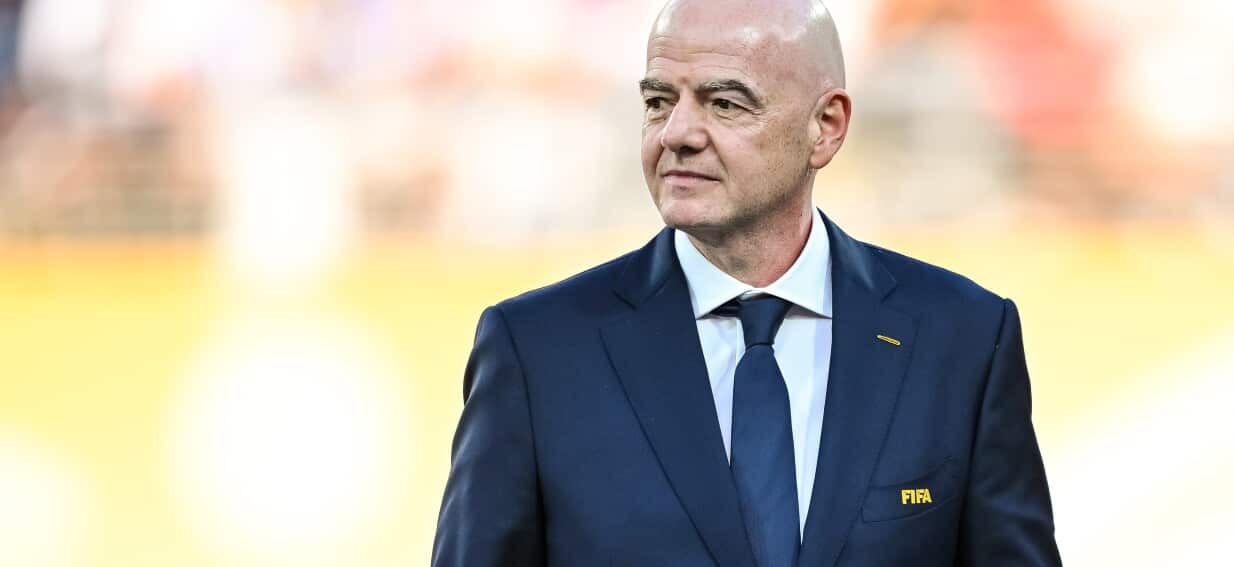
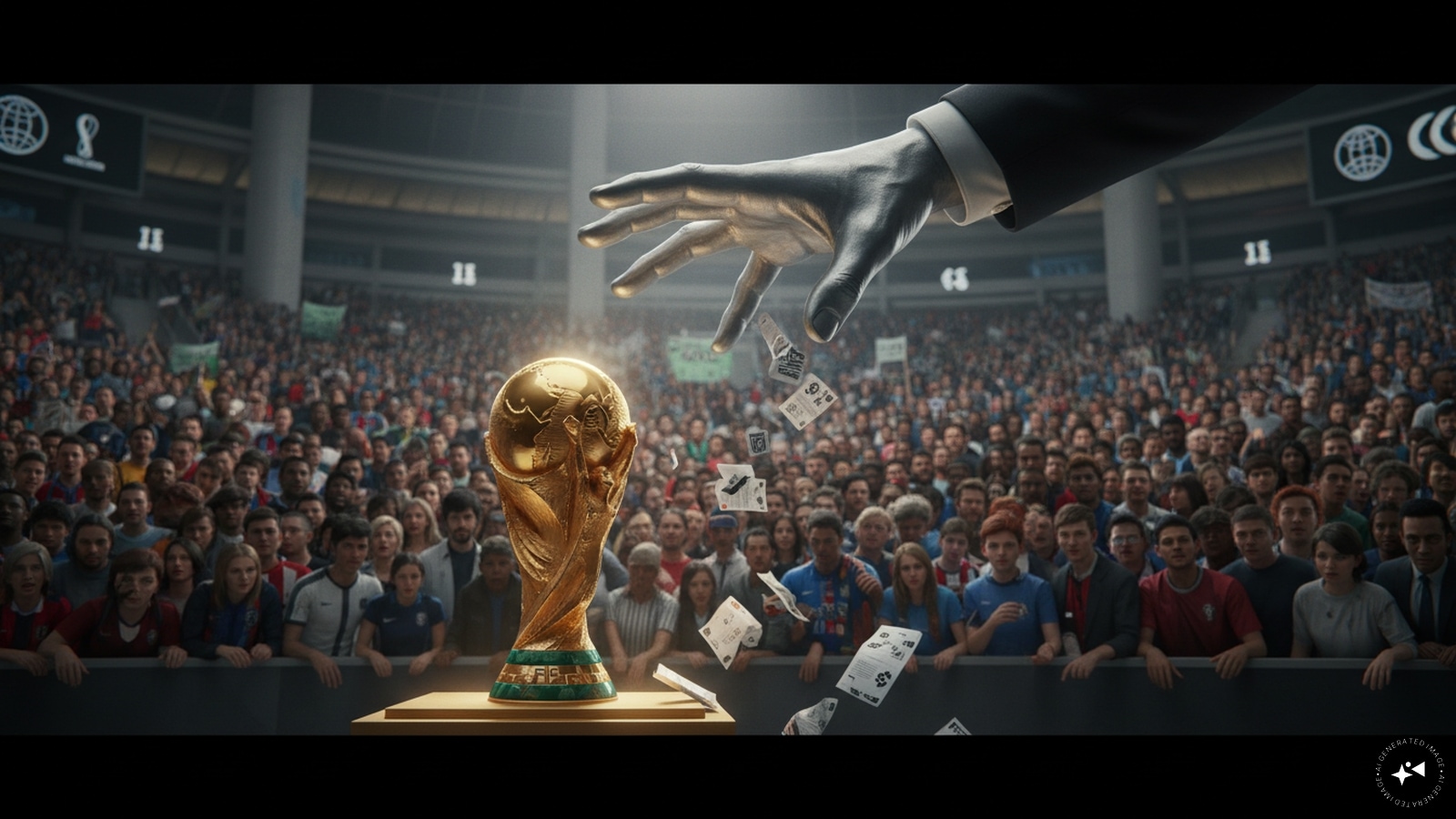
FIFA president Gianni Infantino thought he could quietly slide a multibillion-dollar private equity deal past the soccer world. He was wrong. After a ferocious global backlash that threatened an outright tournament boycott, FIFA officially scrapped its controversial proposal to sell a stake in the World Cup.
If you missed the whirlwind, the math behind the proposal was staggering. FIFA floated a plan to create a commercial subsidiary called FIFA Forward Enterprise (FFE). This new entity would control the money-making machinery of world soccer, including the men's and women's World Cups, alongside the Club World Cup.
The goal was to raise up to $4.2 billion by selling roughly a 20 percent stake in FFE to private investors, valuing the commercial unit at $20 billion. To sweeten the pot for FIFA's 211 national member associations, Infantino dangled massive financial incentives. Associations were promised a one-off payment of $20 million in early 2027, with funding allocations for the 2027-2030 cycle jumping from $8 million to $20 million. For smaller federations struggling to fund domestic grassroots programs, the cash looked revolutionary.
For everyone else, it looked like selling the soul of the sport.
The Backlash That Broke the Deal
Private equity has already crept deep into European club football, but touching the World Cup crossed a red line. Fans, players, and administrators reacted with immediate fury.
UEFA didn't just complain; they went to war. European football's governing body threatened that its national teams would boycott every single FIFA competition for as long as the investment plan remained alive. Since European teams drive the vast majority of FIFA's global broadcast value and ticket sales, a boycott wasn't a minor threat. It was an existential crisis for the governing body.
The political pressure didn't stop in Europe. Inside FIFA's own headquarters, the walls were crumbling. Senior adviser Carlos Cordeiro resigned in protest, bluntly calling the scheme a bad deal for the long-term future of the game. Meanwhile, FIFA Chief Operating Officer Kevin Lamour publicly slammed the project as the initiative of a single person, noting that internal staff felt completely deceived.
Outside the sport, political figures jumped into the fray. UK Prime Minister Andy Burnham publicly declared that Infantino was the wrong man to lead FIFA. Facing a fractured organization and the very real prospect of a mutiny before a scheduled September 19 vote, Infantino had to fold.
In a late-night statement, Infantino pulled the plug. He admitted that the project had triggered divisions that ran counter to FIFA's mission of unity.
What This Means for FIFA Moving Forward
Infantino is no stranger to polarizing ideas. From expanding the World Cup field to redesigning the Club World Cup, his tenure has consistently pushed commercial boundaries. Yet, this retreat marks one of the most severe political missteps of his presidency.
Questions now linger regarding his long-term grip on power. While Infantino spent previous weeks securing letters of support from numerous national associations, the sheer velocity of internal revolt caught leadership off guard. Even with the equity plan dead, the trust deficit inside football's upper echelons remains wide.
The core tension hasn't disappeared either. Smaller federations still desperately need financial support, and FIFA remains under immense pressure to distribute wealth beyond traditional powerhouses. However, attempting to finance global development by handing equity to private investment firms—such as the New York-based group led by Joshua Kushner—proved to be a bridge too far.
Football's ultimate crown jewel remains intact, owned by the sport rather than private shareholders. For now, the World Cup is off the market.