The room smells of stale coffee and ozone from cooling servers. It is three in the morning. Outside, the world sleeps, oblivious to the silent digital skirmishes flashing across glowing monitors. A lone analyst watches a spike in unusual traffic originating from a server cluster thousands of miles away. It is not an overt attack. It is a nudge. A subtle shift in the digital current designed to alter how millions of people perceive reality.
This is where modern democracy lives and fractures. It does not happen with tanks or marching armies. It happens in the quiet spaces of our minds, fed by streams of data carefully curated by foreign actors.
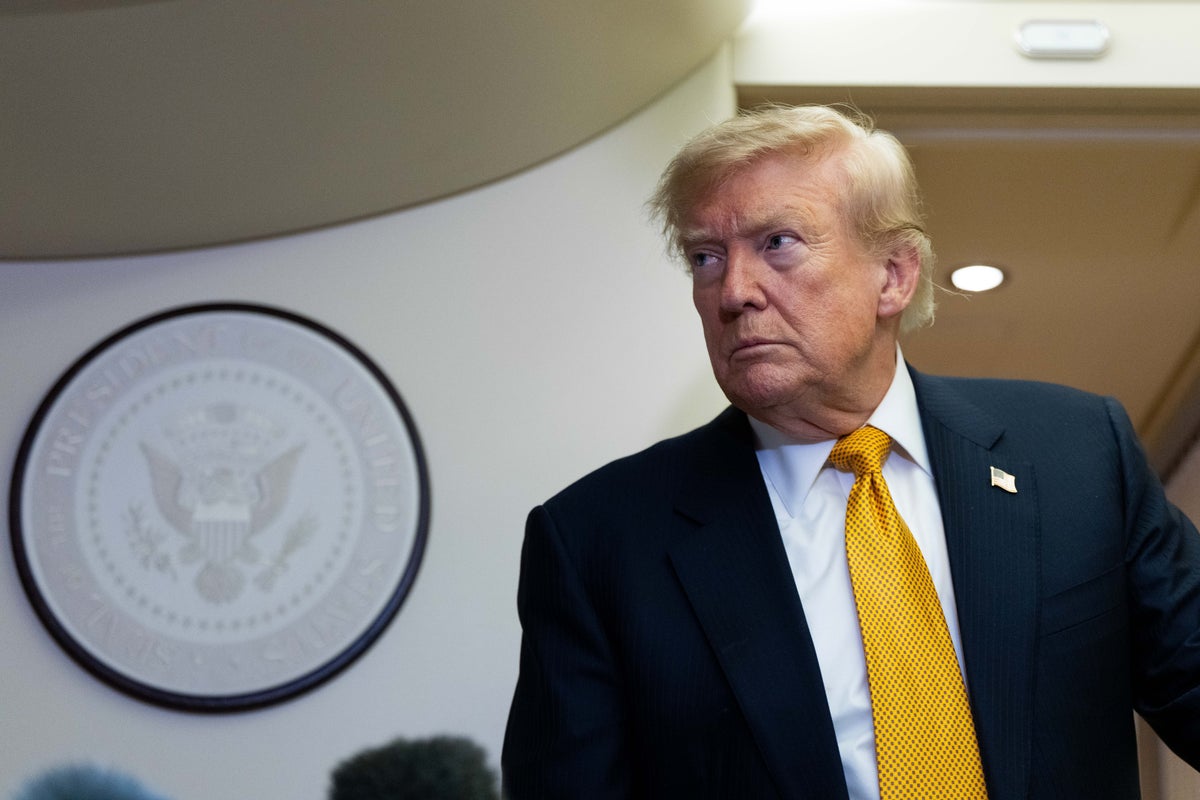
When reports surfaced that Donald Trump planned a Thursday address to detail foreign plans to interfere in the 2020 election, the news did not just break the standard media cycle. It struck at a deep, lingering ache in the national psyche. We are a society obsessed with the validity of our choices. To suggest that those choices are being puppeted by outside forces creates a unique kind of existential dread.
Consider a hypothetical voter named Sarah. She lives in a quiet suburb, works forty hours a week, and tries to do right by her family. When she casts her ballot, she believes she is exercising her purest form of civic agency. Now, imagine telling Sarah that her deeply held beliefs were subtly sculpted by a coordinated psychological operation managed by a foreign intelligence agency. The ballot box stops feeling like a sanctuary. It begins to feel like a trap.
The Architecture of Disbelief
The upcoming address promises to lay bare the mechanics of this interference. But the true story is not just about the technical data or the intelligence briefs. It is about trust. Trust is fragile. It takes generations to build and mere seconds to shatter.
When a former president steps up to a microphone to declare that the machinery of an election was compromised, the words carry a heavy gravity. It forces us to confront an uncomfortable reality: our information ecosystems are profoundly vulnerable. The digital networks we rely on to connect with loved ones and stay informed have been turned against us.
Think about how information spreads today. A single post, shared by a bot network, gains traction. A real person sees it, feels an emotional jolt, and shares it with their friends. Within hours, a fabricated narrative becomes an undeniable truth in the minds of thousands. This is not science fiction. This is the daily reality of modern geopolitical conflict.
The mechanics are surprisingly simple. Foreign actors do not focus heavily on physical voting machines. They do something far more elegant and terrifying. They target human psychology. By amplifying existing divisions, stoking anger, and spreading calculated falsehoods, they can cause a nation to tear itself apart from the inside out.
The Invisible Toll on the Human Spirit
Living in a constant state of suspicion changes a person. It breeds cynicism. When we can no longer agree on basic facts, the shared ground beneath our feet begins to crumble. We start viewing our neighbors not as fellow citizens with differing opinions, but as victims of delusion or, worse, active enemies.
The psychological toll of this ongoing information warfare is immense. It creates a pervasive sense of helplessness. If every piece of news is suspect, if every official statement is viewed through a lens of deep paranoia, then truth itself becomes obsolete. We retreat into our echo chambers, seeking comfort in narratives that confirm our biases, even if those narratives were manufactured in a lab across the ocean.
The upcoming revelation is more than a political event. It is a mirror reflecting our deepest vulnerabilities. It forces us to ask how we arrived at a point where the integrity of our democratic process is a matter of constant, agonizing debate.
But the real problem lies elsewhere. It is not just about who tried to interfere or what their specific goals were. The deeper issue is our collective susceptibility to these tactics. We have become so polarized, so eager to believe the worst about our political opponents, that we have made the job of foreign provocateurs incredibly easy. They merely light a match; we provide the dry tinder.
Reclaiming the Narrative
Breaking this cycle requires more than just better cybersecurity or stricter regulations on social media platforms. It requires a fundamental shift in how we consume information and interact with one another.
We must learn to pause before we react. When an article or a post triggers a sudden burst of rage or validation, that is the exact moment to step back. That emotional reaction is the entry point foreign actors use to manipulate us. By questioning the source, looking for corroborating evidence, and recognizing our own biases, we can begin to build a defense against digital manipulation.
The upcoming address will dominate the news cycle, triggering intense debate and media scrutiny. The airwaves will be filled with talking heads analyzing every sentence, assigning blame, and predicting the political fallout.
Look past the immediate political theater. The true significance of this moment is the reminder of what is at stake. Our democracy is not a self-sustaining machine. It is a living, breathing agreement between citizens. It requires active participation, critical thinking, and a willingness to believe that, despite our differences, we are engaged in a shared experiment.
The servers in that dark room will keep running. The digital currents will continue to flow, carrying fragments of truth and falsehood to our screens. The choice of what to believe, and how to treat one another in the face of uncertainty, remains entirely ours.