The stone remembers.
Walk through the ancient ribs of any European city, and you can feel the quiet weight of things built to last. Cobblestones worn smooth by millions of footsteps. Cathedral spires piercing gray skies like frozen prayers. Arches that have stood through plagues, fires, and the slow, grinding machinery of changing crowns. These places were built by people who understood a fundamental truth about human nature. We want to own things. We want to rule.
Power.
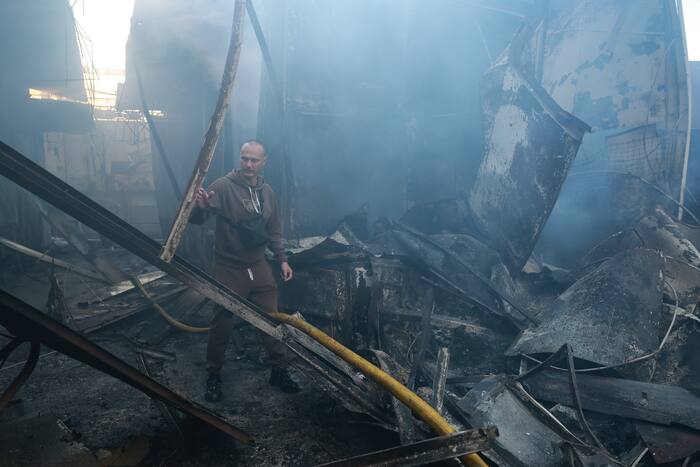
It is a drug older than writing. A whisper in the dark that tells a leader that their borders are too small, their influence too narrow, their name too quiet. Today, that whisper echoes across modern newsfeeds with terrifying clarity. Sirens wail in regions once thought immune to the heavy boot of conquest. Defense budgets swell. Digital maps flicker with red lines and disputed territories.
Consider Elena. She is a fictional student sitting in a sunlit library in Rome, staring at a notification on her phone about shifting troop deployments and diplomatic standoffs. She is seventeen. To her, the map of Europe looks peaceful enough—colored in neat, friendly pastels. Yet she feels the electric static in the air. Everyone does. Adults talk in hushed tones over morning coffee. News anchors speak in crisp, urgent cadences. The old ghost of domination has woken up, stretching its limbs, rattling its armor, and whispering that peace is only ever a temporary pause between wars.
Why do we keep falling back into this trap?
The answer lies in our collective amnesia. We forget who we are when we are afraid. When scarcity knocks on the door, our first instinct is to build walls instead of bridges. We want a king, an army, an empire, anything to shield us from the dizzying vulnerability of being human. We mistake control for safety. We mistake domination for strength.
Into this tense, jittery atmosphere comes an old voice from the Vatican.
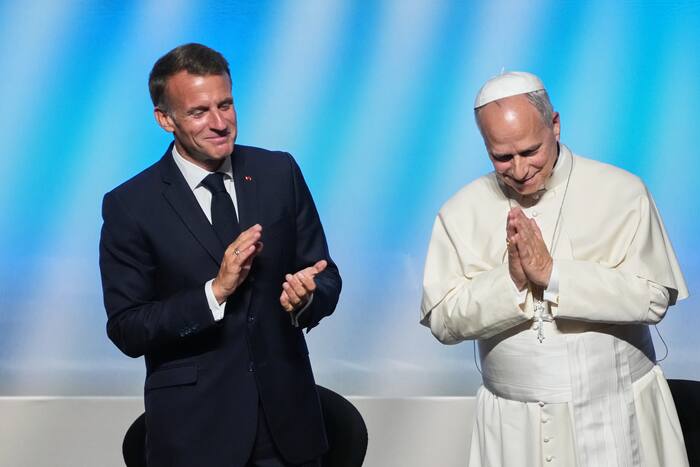
Pope Francis recently looked out across the storied landscape of Europe and diagnosed the continent’s modern sickness. He did not point a finger at a single rival nation or a lone dictator. Instead, he pointed inward. He looked at the soul of a civilization and diagnosed a dangerous thirst. A thirst for domination. A hunger to control markets, narratives, and neighbors.
He argued that the remedy is not found in bigger fleets or louder threats. It is found in remembering.
Specifically, he urged Europe to look back to its Christian roots.
Now, let us pause. In a modern, highly diverse world, mentioning religious roots can make people twitch. It sounds exclusionary. It sounds like a dog whistle for narrow tribalism. But strip away the political maneuvering, and look at what the core narrative of those roots actually teaches. It is not a blueprint for military conquest. Quite the opposite.
The foundational stories of Christian heritage are obsessed with a very different kind of power. They feature a carpenter who refused an empire, who washed his followers' feet instead of demanding they bow, who taught that the greatest among you must be the servant of all. It is a tradition built on radical hospitality, on sheltering the stranger, on binding up wounds, and on choosing self-sacrifice over self-preservation.
That is the root. And it stands in absolute, total contradiction to the thirst for domination.
Imagine choosing the basin and the towel over the sword and the shield.
It sounds foolish in a world governed by geopolitical strategy. Realpolitik tells us to trust only our strength and fear our neighbor. The ancient wisdom of Europe’s spiritual foundation tells us something radically disruptive: that true security comes from community, not control.
When nations forget this, they begin to view every neighbor as an existential threat. Trade routes become battlegrounds. Culture becomes a weapon. Every interaction turns into a zero-sum game where one side must win and the other must be ground into dust. We saw this play out across centuries of devastating European history. World wars, religious conflicts, colonial ambitions that bled continents dry—all born from the same intoxicating illusion that peace could be forced at the point of a spear.
We are watching the echoes of that illusion today.
Leaders posture on television screens. Treaties are signed and torn up. Young people like Elena watch from the sidelines, wondering if they are destined to inherit a continent torn apart by the same old ghosts.
The Pope’s message is a direct challenge to this fatalism. He is telling Europe—and by extension, anyone caught in the gravitational pull of modern power struggles—that destiny is not a closed loop. We do not have to repeat the tragedies of our ancestors. But to break the cycle, we have to pull water from a different well.
We cannot fight a thirst for domination with more domination. That is like trying to put out a grease fire with gasoline.
Instead, we have to look at the bedrock of our shared values. What did those old stone cathedrals really stand for? They were not just monuments to human pride. In their best moments, they were sanctuaries. They were places where the weary could find rest, where the powerful were reminded of their mortality beneath soaring vaulted ceilings, and where human dignity was placed above political expediency.
Reviving those roots today does not mean turning the clock backward. It means reaching down into history and pulling up the courage to care for one another when it is difficult. It means choosing dialogue over destruction. It means recognizing that our neighbor's survival is intimately bound up with our own.
The machinery of war is loud. It clanks and roars, demanding our attention, our money, our fear.
Peace, by contrast, is quiet.
It looks like a diplomat listening across a table. It looks like a community welcoming refugees. It looks like a leader admitting a mistake. It looks like an ordinary person deciding not to hate an entire group of people simply because a screen tells them to.
Elena closes her laptop. The notification light blinks in the darkening room. The street outside is quiet, save for the distant rumble of evening traffic. The world is complicated, messy, and heavy with tension. The ghosts of empire are restless. They are whispering promises of glory and safety through strength.
She looks out the window at the old architecture of the city, stone standing silent against the gathering night.
The choice remains ours. We can feed the fire, or we can remember the roots that taught us how to build something better.