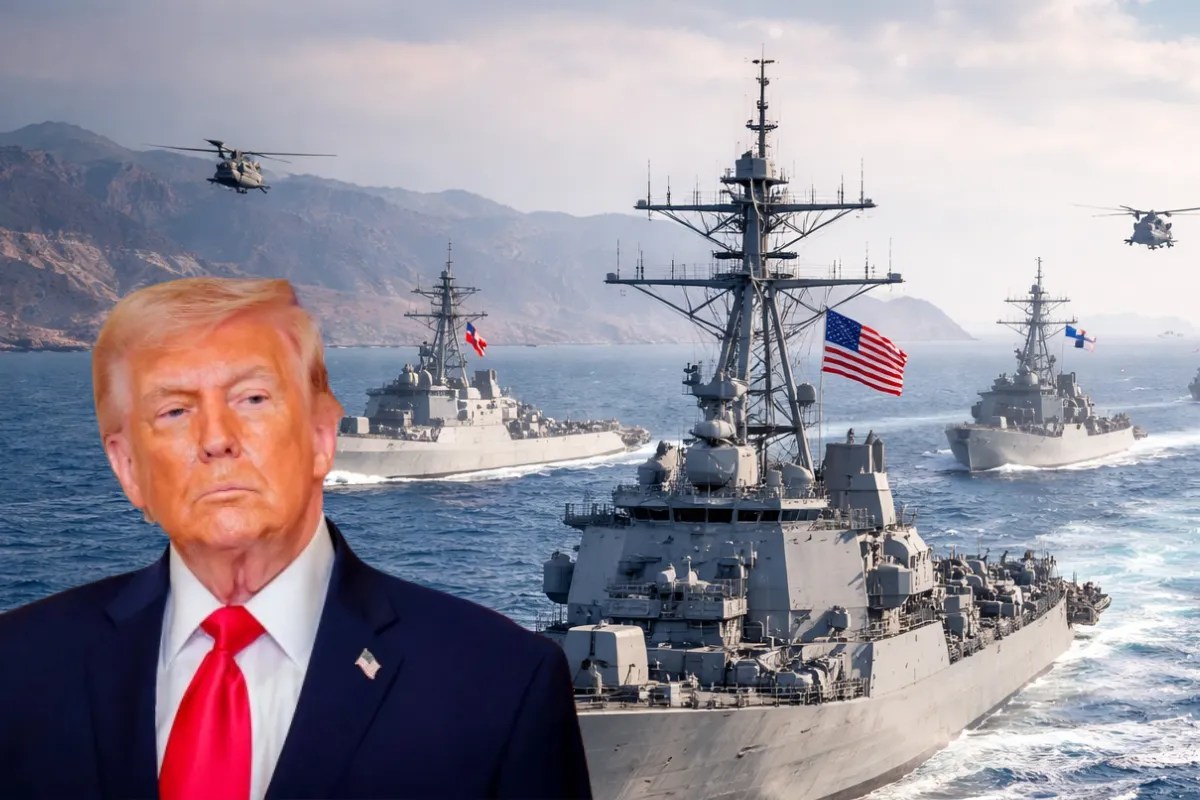
The Strait of Hormuz is not merely a shipping lane; it is the physical manifestation of global energy inelasticity. Through this 21-mile-wide passage flows approximately 21 million barrels of oil per day, representing 21% of global petroleum liquid consumption. When the United States or its allies propose a multinational maritime coalition to "free" or "secure" this corridor, they are not engaging in a simple naval exercise. They are attempting to solve a multi-variable calculus problem involving kinetic risk, insurance premiums, and the limits of power projection in littoral waters.
The proposal to deploy warships to ensure the freedom of navigation faces three structural bottlenecks: the asymmetric cost of defense, the divergence of national economic interests, and the geographic reality of Iranian anti-access/area denial (A2/AD) capabilities.
The Asymmetric Cost Function of Maritime Security
Standard naval doctrine assumes that superior tonnage translates to control. In the Strait of Hormuz, this logic fails due to the radical cost-imbalance between offensive and defensive operations.
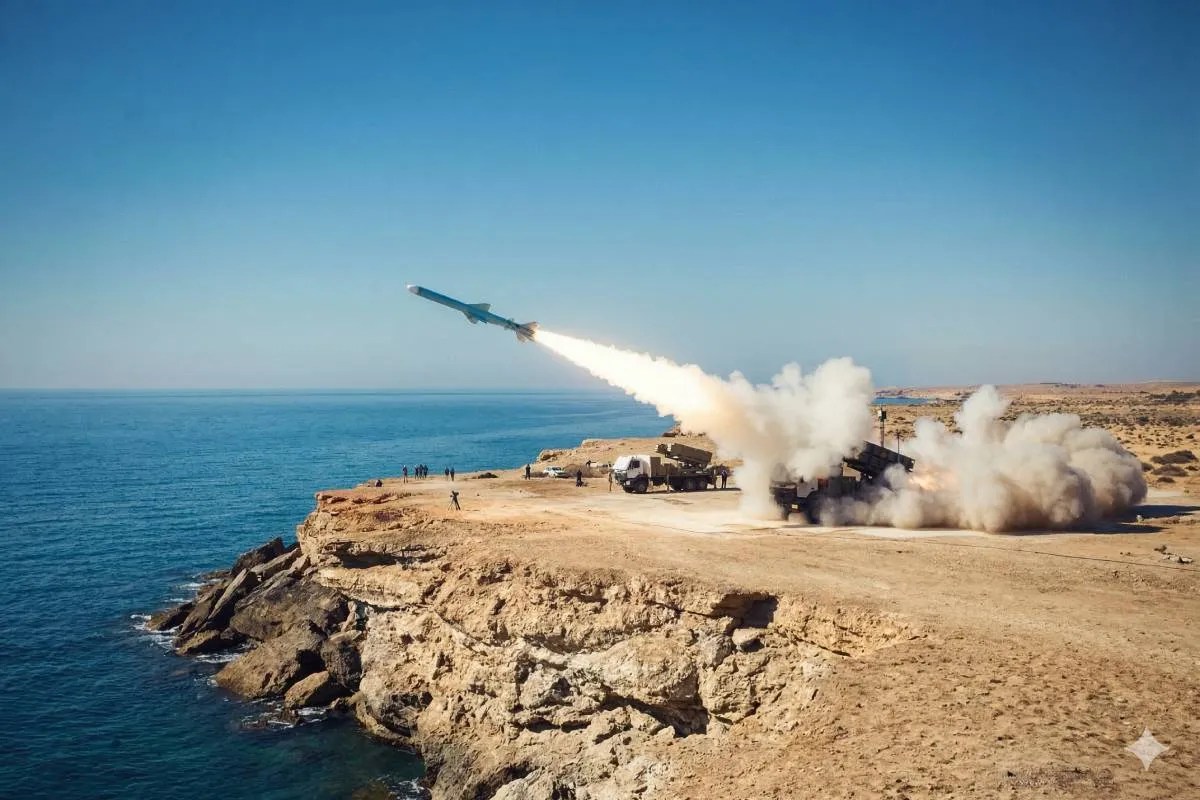
- Precision-Guided Munitions vs. High-Value Targets: A single Iranian-made Khalij Fars anti-ship ballistic missile costs a fraction of the $2 billion price tag of an Arleigh Burke-class destroyer. Even a successful interception by an SM-6 missile costs the defender millions of dollars per shot, while the attacker can sustain a high volume of fire with low-cost assets.
- Swarm Intelligence and Littoral Terrain: The jagged coastline and numerous islands of the Persian Gulf provide natural masking for fast-attack craft and mobile missile batteries. This creates a "cluttered" radar environment where identifying a threat takes longer than the threat's time-to-impact.
- The Sea Mine Variable: The most cost-effective method of closing the Strait is the deployment of sea mines. Clearing these requires specialized vessels that are slow, vulnerable, and few in number. The mere suspicion of mines increases Lloyd’s of London war risk premiums to a level that effectively shuts down commercial traffic, regardless of whether a ship is actually sunk.
The strategic failure of previous "Tanker Wars" demonstrates that presence does not equal protection. A warship can protect itself, and perhaps a small convoy, but it cannot physically occupy the water column to prevent a missile from striking a 300,000-ton VLCC (Very Large Crude Carrier) five miles away.
The Divergence of National Interest and the Burden-Sharing Fallacy
Calls for a "coalition of the willing" often ignore the varied exposure levels of different nations to Hormuz disruptions. This creates a "free-rider" problem that complicates any US-led appeal for help.
The Asian Energy Dependency
China, India, Japan, and South Korea are the primary beneficiaries of Hormuz stability. China imports roughly 40% of its crude from the Gulf. However, Beijing’s strategic calculus favors diplomatic hedging over military escalation. By participating in a US-led naval task force, China would risk its carefully cultivated "neutral" status with Tehran. For India, the proximity to the Gulf means any regional instability directly impacts its diaspora and remittance flows, making New Delhi hesitant to join overtly aggressive naval alignments.
The European Reluctance
European powers, specifically France and the UK, maintain a permanent naval presence in the region through missions like EMASoH (European Maritime Awareness in the Strait of Hormuz). Their objective is de-escalation rather than "enforcement." The European strategic community views US-led "maximum pressure" or aggressive patrolling as a catalyst for the very closures they seek to prevent.
The Mechanism of Escalation Dominance
In any conflict regarding the Strait, the party that can escalate the most while losing the least holds "escalation dominance." Iran holds this position because it lacks a blue-water navy to lose; its strength lies in ground-based assets and internal lines of communication.
- Internal vs. External Lines: The US must sustain a massive logistics tail across the Atlantic and Indian Oceans. Iran operates from its own backyard.
- The Proximity Advantage: Iranian shore-based batteries can range the entire width of the Strait. This turns the waterway into a "kill zone" where the defender (the coalition) has zero depth of field.
- The Infrastructure Vulnerability: Security is not limited to the water. The surrounding desalination plants, refineries, and loading terminals in the UAE and Saudi Arabia are stationary targets. Protecting the Strait is futile if the pumping stations feeding the tankers are destroyed by drone strikes.
The Insurance and Market Psychological Barrier
The success of a maritime security mission is not measured by the number of ships sunk, but by the volatility of the Brent Crude index. The global economy cannot "price in" the risk of a total Hormuz closure.
- The Feedback Loop: An increase in naval presence intended to "calm" markets often has the opposite effect. It signals to traders that the risk of kinetic conflict has moved from "low-probability/high-impact" to "imminent."
- The Tanker Strike Factor: If a single tanker is hit while under coalition escort, the credibility of the entire security apparatus collapses. Shipowners will refuse to charter vessels into the Gulf, and the resulting supply shock would trigger a global recessionary impulse.
Technical Limitations of Missile Defense in Narrow Channels
Modern Aegis and PAAMS systems are designed for open-ocean engagement. In the Strait of Hormuz, the "burn-through" distance—the range at which a missile emerges from behind a landmass or clutter—is often less than 20 miles. At supersonic speeds, this leaves the ship’s Automated Engagement System (AES) seconds to react.
The probability of kill ($P_k$) for incoming missiles drops significantly in littoral environments. If an adversary launches a saturation attack (multiple missiles from different vectors), the probability of at least one leaker hitting a target approaches $1.0$. This technical reality dictates that "securing" the Strait is a misnomer; at best, a navy can "contest" the Strait.
The Strategic Pivot to Alternative Export Routes
The only viable long-term strategy for neutralizing the Hormuz threat is not military, but infrastructural. This involves bypassing the chokepoint entirely.
- The East-West Pipeline (Saudi Arabia): Capability to move 5 million barrels per day to the Red Sea, though currently underutilized and susceptible to disruption at the Bab el-Mandeb.
- The Abu Dhabi Crude Oil Pipeline (ADCOP): Links the Habshan fields to Fujairah, bypassing Hormuz entirely. Its capacity is roughly 1.5 million barrels per day.
- The Omani Paradox: Developing ports like Duqm outside the Persian Gulf provides a strategic depth that no carrier strike group can offer.
The primary constraint remains that the total capacity of all bypass pipelines combined is less than 40% of the total flow through the Strait.
The Tactical Imperative for Decision Makers
Any administration seeking to internationalize the security of the Strait must move beyond the "policing" metaphor. The mission should be restructured from a naval patrol into a tripartite framework of technical deterrence, insurance subsidization, and diplomatic compartmentalization.
- Hardening Commercial Assets: Encouraging or subsidizing the installation of non-kinetic defense systems (electronic decoys and dazzlers) on civilian tankers to reduce the burden on naval escorts.
- Tiered Response Zones: Establishing clear "Red Lines" for kinetic intervention that are shared with regional adversaries to prevent accidental escalation through miscalculation.
- The Fujairah Expansion: Shifting the strategic gravity of the oil trade toward the Gulf of Oman through massive investment in storage and loading facilities outside the chokepoint.
The reality of the Strait of Hormuz is that it cannot be "freed" through sheer force. It is a hostage to geography. Any naval coalition that ignores the asymmetric advantages of the littoral state or the economic sensitivities of Asian buyers will find itself in a high-cost, low-yield stalemate that increases the very fragility it seeks to eliminate.
The most effective strategic move is not the deployment of more hulls, but the aggressive expansion of the Fujairah-Oman bypass infrastructure combined with a shift toward "over-the-horizon" deterrence. By reducing the volume of oil that must pass through the chokepoint, the West reduces the leverage of the gatekeeper. Until the bypass capacity exceeds 50% of the total Gulf output, the Strait remains the world’s most potent economic trigger, and no amount of naval tonnage can change that fundamental math.