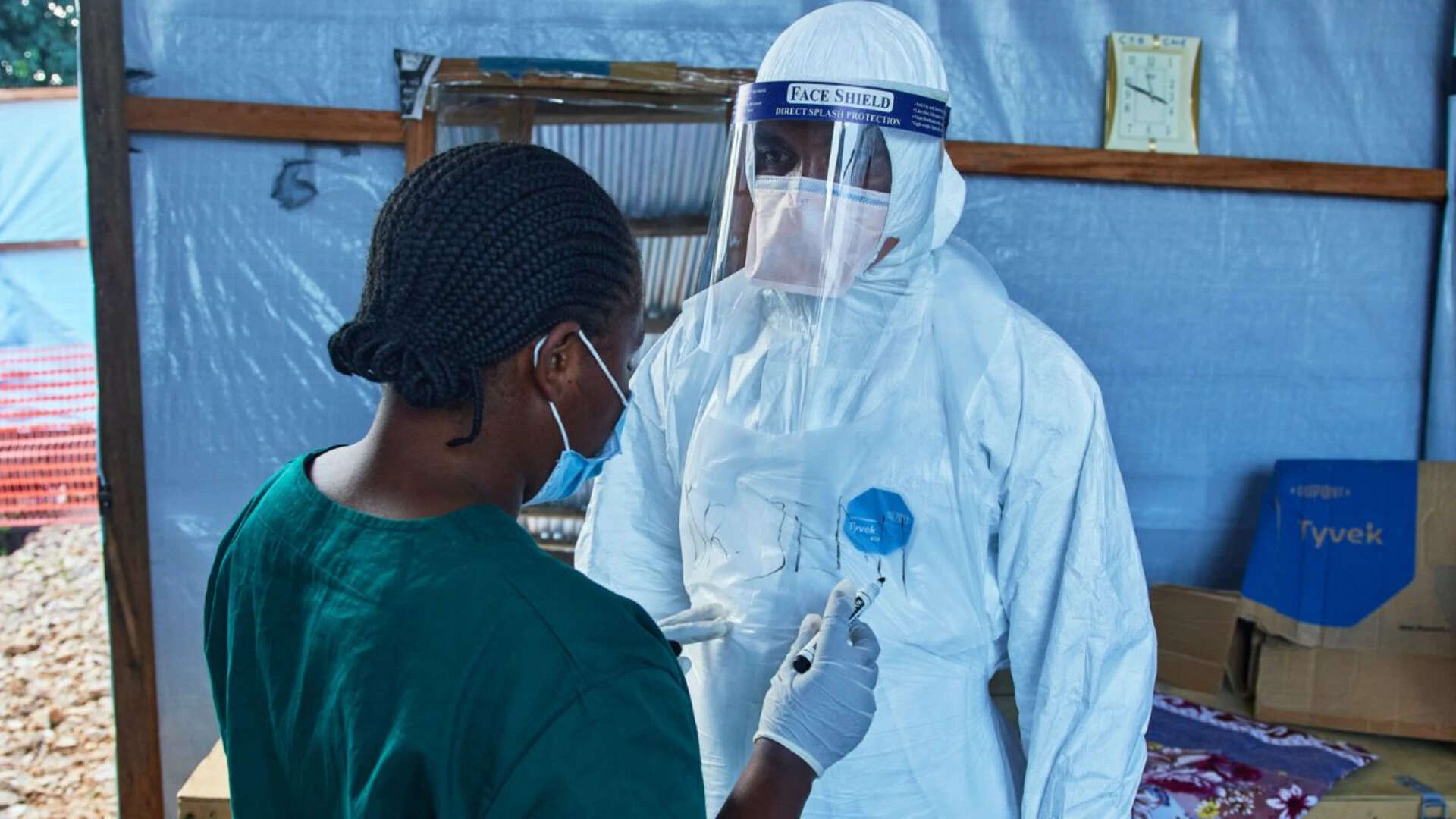
When the U.S. government instituted a strict mandate requiring American citizens returning from Ebola-affected regions in the Democratic Republic of Congo (DRC) to spend 21 days in a third country, few anticipated the immediate diplomatic fallout. Seven American aid workers affiliated with the Christian humanitarian organization Samaritan's Purse recently settled into army cots inside military tents on Kenya's Laikipia Air Base. They aren't sick. None have shown symptoms. Yet, their presence in central Kenya has turned a quiet airbase into a flashpoint of sovereignty, public health anxiety, and legal gridlock.
The situation moved fast. While Washington frames the 50-bed bio-isolation unit in Nanyuki as an essential shield to protect the American public, local communities and legal advocacy groups in Kenya see something entirely different: an offloading of infectious disease risks onto sovereign foreign soil.
How a 21-Day Isolation Order Triggered a Rift in Kenya
To understand how seven health responders ended up quarantined under heavy guard in Nanyuki, you have to look at Washington's updated travel restrictions. To prevent Ebola cases from reaching domestic soil, federal guidelines now require individuals who served on the front lines of the DRC outbreak to complete a full three-week incubation period before boarding a flight to the U.S.
The logic from the CDC and U.S. State Department is straightforward: keep potentially exposed citizens under observation by U.S. Public Health Service clinicians in a controlled environment.
The problem? The site chosen to house them sits squarely on Kenyan territory.
U.S. Travel Mandate Requirements:
* Mandatory 21-day quarantine in a designated third country
* Daily clinical monitoring by health officers
* Restricted movement within host country borders
Local civil society groups, including the Katiba Institute, immediately challenged the facility in Kenya's High Court. A judge issued an injunction ordering all construction and operations at the site suspended pending a final ruling. Public anger flared, leading to local street protests where demonstrators openly questioned why an American-only bio-containment site was being placed in their backyards. Even Kenya's Health Cabinet Secretary found himself in legal hot water, cited for contempt of court after initial construction work allegedly continued despite judicial orders.
Yet, despite the active court injunction, the Samaritan's Purse team arrived.
What Life Inside the Laikipia Facility Looks Like
Reports from the ground paint a stark picture. This isn't a luxury retreat. The seven response team members—a mix of medical staff who treated Ebola patients directly and support workers who built treatment centers in the DRC—are living in army cots set up within high-grade isolation tents.
Kenyan security and health authorities have made the boundaries crystal clear: the Americans are strictly barred from leaving the military facility or traveling anywhere else within Kenya during their 21-day window.
While U.S. officials emphasize that moving the team to the site was done "strictly out of an abundance of caution" and with local authorization, the reality on the ground remains tense. At least one worker in the group experienced a potential high-risk exposure during field operations in the DRC, making strict daily monitoring vital.
The Real Issue Facing Global Health Governance
This standoff reveals a fundamental friction point in modern global health logistics. When wealthy nations establish medical infrastructure inside developing countries to manage their own public health protocols, it tests diplomatic boundaries.
Kenyans aren't complaining about aiding medical responders. They are asking tough questions about transparency, judicial respect, and constitutional process. When a host country's court orders a freeze on a bio-containment facility, ignoring that process erodes trust—trust that is vital during a global virus outbreak.
If you work in global health, emergency response, or international logistics, here are the real takeaways from this ongoing dispute:
- Respect local legal frameworks: Operational approvals from national executives mean little if local courts strike them down.
- Prioritize community communication early: Secretive or rapid construction of bio-containment facilities fuels public panic and pushback.
- Build redundant transit protocols: Third-country quarantine models require clear bilateral agreements signed long before crisis deployments begin.
For now, the seven Americans remain under watch on their cots in central Kenya. How the Kenyan High Court responds to their physical presence at the suspended site will set a huge precedent for future international emergency responses.