India is drastically expanding its visa processing infrastructure in Bangladesh to manage an unprecedented surge in applications. The Indian High Commission and its partner agencies are opening new processing centers and extending operational hours to clear a massive backlog. While superficial reporting frames this purely as a administrative upgrade to handle high demand, the reality is far more complex. This massive spike in visa requests is happening against a backdrop of shifting regional diplomacy, economic interdependence, and deep-seated administrative bottlenecks that have plagued the system for years.
The immediate trigger for the expansion is a simple numbers game, but the underlying mechanics tell a deeper story. Bangladesh represents the largest source of foreign tourists entering India, outstripping Western nations combined. Yet, the current infrastructure is buckling under the weight of post-pandemic recovery, medical tourism demands, and a growing middle class looking westward through regional transit hubs.
The Broken System Fueling the Backlog
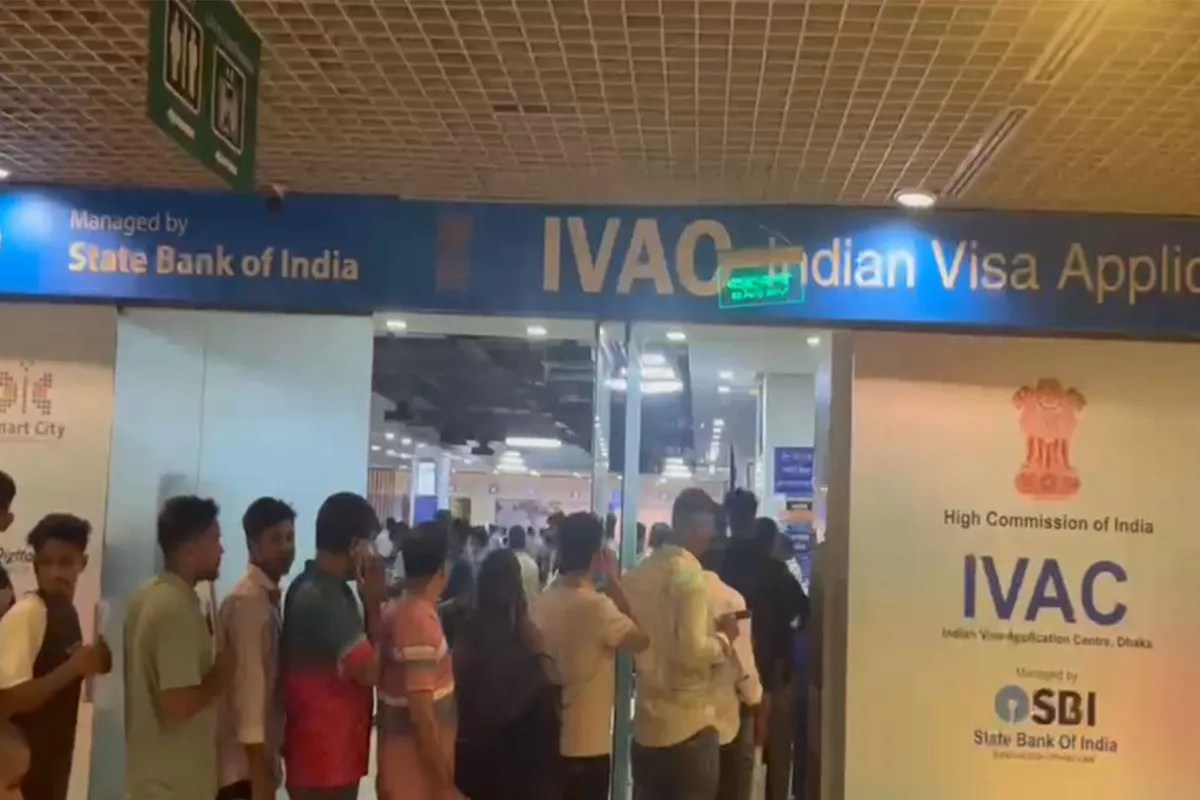
The visa crisis did not happen overnight. For years, the Indian Visa Application Centres (IVAC) in Bangladesh, managed by State Bank of India, have operated at maximum capacity. Long queues outside the Dhaka and Chittagong centers are part of the daily landscape.
The primary driver is not just leisure travel. Medical tourism forms the backbone of this demand. Tens of thousands of Bangladeshi patients travel to Kolkata, Chennai, and Mumbai every month for specialized healthcare. When an administrative system slows down, it does not just delay vacations; it puts lives on hold.
The black market has stepped into the gap left by official inefficiencies. Middlemen and "visa brokers" routinely corner online appointment slots using automated bots. They then resell these slots to desperate applicants for five to ten times the official processing fee. By expanding physical centers and introducing stricter biometric verification, New Delhi is attempting to break the back of this predatory secondary market. It remains to be seen whether physical expansion can outpace digital manipulation.
Economic Ties and the Border Dilemma
Trade between India and Bangladesh relies heavily on person-to-person contact. Truck drivers, business executives, and textile consultants require constant, friction-free movement across the border to maintain supply chains.
Consider the garment sector. Bangladesh is a global hub for apparel manufacturing, but it relies on raw Indian cotton and machinery. When specialized technicians from India face delays entering Bangladesh, or when Bangladeshi factory owners cannot visit Kolkata to finalize fabric deals, production stalls. The move to scale up visa services is a direct response to pressure from business chambers on both sides of the border who view the visa bottleneck as a non-tariff trade barrier.
However, security concerns constantly push back against economic pragmatism. The Indian home ministry maintains rigid screening protocols to prevent illegal immigration and monitor cross-border movement. This creates a permanent institutional tension. The ministry of external affairs wants smoother processing to build diplomatic goodwill, while security agencies demand slow, meticulous vetting. The new expansion attempts to balance these forces by increasing physical processing capacity without lowering security safeguards.
The Medical Tourism Dependence
A significant percentage of applicants are seeking medical treatment. Indian hospitals offer a combination of affordability, cultural familiarity, and advanced care that is unavailable in Bangladesh's domestic healthcare system.
For a family in Khulna or Sylhet, traveling to Kolkata for a complex cardiac surgery or cancer treatment is often cheaper and more reliable than navigating the healthcare options in Dhaka. The sheer volume of these medical travellers has turned towns like Mukundapur and Salt Lake in Kolkata into de facto Bangladeshi enclaves during peak seasons. Hotels, restaurants, and medical translators in these areas depend entirely on the steady flow of patients.
When visa processing slows down, Indian hospital chains see immediate drops in international patient revenue. Major healthcare providers have lobbied the Indian government for a more streamlined electronic visa system for medical cases. The expansion of physical centers is a compromise, offering more capacity without fully opening the digital floodgates to a system that security agencies still view with suspicion.
Regional Diplomacy in the Balance
New Delhi's decision to ramp up visa operations is also a calculated diplomatic signal. In the complex geopolitical matrix of South Asia, public perception matters. Long delays and public frustration at Indian visa centers create negative press that geopolitical rivals are quick to exploit.
By visible expanding services and addressing the backlog, India aims to demonstrate its commitment to bilateral ties at a time when regional dynamics are shifting. The message is clear: India remains open, accessible, and committed to its closest neighbor, regardless of political transitions or external pressures.
The expansion plan involves setting up state-of-the-art facilities with better crowd management, automated token systems, and dedicated counters for senior citizens and medical emergencies. The goal is to transform the visa application experience from a frustrating ordeal into a routine administrative process.
The success of this initiative will not be measured by the number of new counters opened, but by the eradication of the slot-booking black market and the reduction of waiting times from months to days. If the underlying software vulnerabilities that allow bots to hijack appointments are not fixed, adding more physical desks will simply provide more capacity for brokers to exploit. The government must fix the digital pipeline alongside the physical infrastructure to truly resolve the crisis.