Every time a politician in Washington or Tehran opens their mouth, financial media outlets scramble to push the exact same lazy narrative. Crude spikes. Pundits hyperventilate about shipping lanes and supply shocks. Traders panic-buy futures contracts they do not understand. It is theatre, plain and simple, designed to separate reactionary capital from its owners.
The standard consensus claims that geopolitical threats against major Middle Eastern exporters automatically mean structural supply destruction. This ignores how global commodity markets actually function. I have watched institutional portfolios bleed millions because fund managers trade headlines instead of tracking physical barrels, logistics bottlenecks, and inventory cycles.
The Anatomy of Manufactured Panic
Let us dismantle the core premise of modern energy reporting. When headlines scream about blocked chokepoints or impending military retaliation, analysts immediately project worst-case scenarios onto supply chains. This assumes oil markets operate like static water pipes where a single valve shut-off drains the pool instantly.
They do not. The global energy market is a chaotic, multi-layered adaptive network featuring dynamic routing, commercial storage buffers, and spare production capacity. When one vector tightens, arbitrageurs reroute flows within hours.
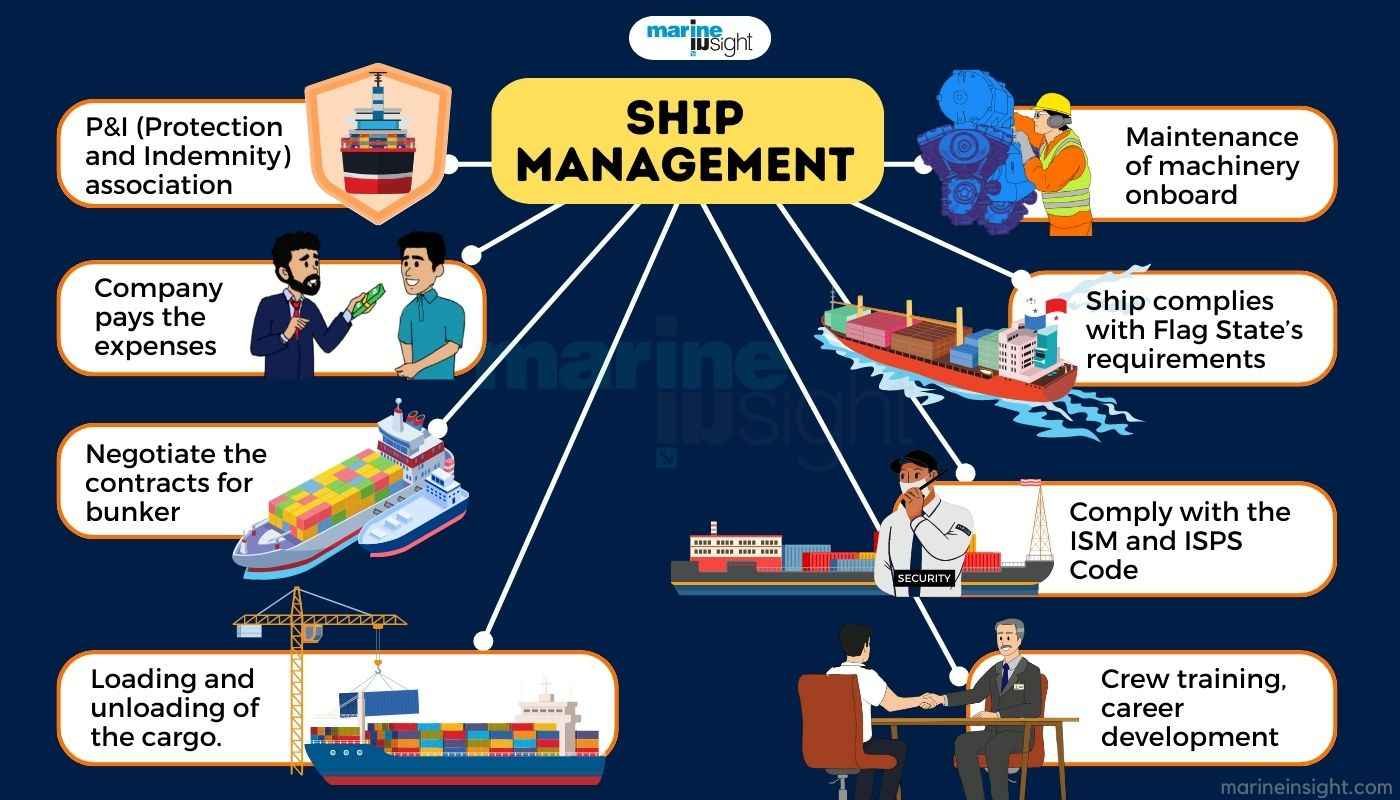
Consider the Strait of Hormuz. Whenever threats emerge regarding this crucial waterway, markets price in an immediate total cessation of roughly twenty million barrels per day. That assumption is mathematically absurd. Even during peak historical conflicts, physical trade routes bend rather than break entirely. Insurance rates climb, tanker speeds adjust, and premiums reprice, but the steel keeps moving because the economic incentive to clear high-priced crude remains unmatched.
Why Spare Capacity Breaks the Thesis
The lazy consensus completely misreads OPEC spare capacity metrics. Saudi Arabia, the United Arab Emirates, and other core producers sit on millions of barrels per day of shut-in production that can be brought online within weeks. Yet, mainstream commentary treats this buffer as a myth or assumes it will magically disappear during a geopolitical scuffle.
Furthermore, non-OPEC supply elasticity destroys the linear logic of oil bears. Shale producers in North America and offshore operators in Guyana and Brazil do not wait for permission from Middle Eastern diplomats. Higher spot prices triggered by short-term threats act as a massive economic subsidy for fast-cycle production. By the time a panic-driven futures contract settles, rigs are already spooling up elsewhere to capture the margin expansion.
Trading the Noise
If you want to survive energy market volatility, stop treating geopolitical sabre-rattling as a fundamental supply event. Treat it for what it is: a liquidity event driven by algorithmic momentum and retail panic. Smart money uses these artificial spikes to offload long exposure onto emotional speculators, shorting the front-end curve once the psychological froth peaks.
Stop reacting to threats. Start tracking tanker tracking data, refining margins, and actual physical inventory draws at major hubs like Cushing and Rotterdam. The market cares about molecules, not microphones.
Next time a headline threatens an energy apocalypse, check your positions, ignore the talking heads, and watch how fast the panic evaporates the moment real physical barrels keep clearing the docks.