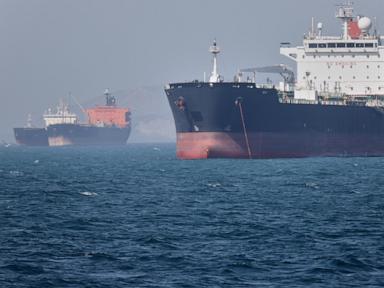
The proposed United Nations resolution targeting Iran’s maritime conduct represents a shift from reactive diplomacy to a structured framework of preventative economic deterrence. This is not merely a diplomatic protest; it is the construction of a legal trigger designed to link freedom of navigation—a cornerstone of global trade—to the immediate imposition of renewed multilateral sanctions. The strategic intent is to formalize the costs of non-compliance, effectively transforming the Strait of Hormuz from a point of leverage for Tehran into a liability for its sovereign balance sheet.
The Logic of Escalation and Maritime Deterrence
The current geopolitical friction rests on a fundamental tension between sovereign territorial claims and the international legal doctrine of innocent passage. To analyze the proposed UN resolution, one must categorize the operational risks into three distinct pillars:
- Kinetic Disruption: Physical interference with merchant vessels, including seizures, boarding operations, and the use of Unmanned Surface Vessels (USVs) or limpet mines.
- Regulatory Chokepoints: The imposition of arbitrary transit fees, mandatory reporting requirements that exceed international standards, or the selective enforcement of environmental laws to stall traffic.
- Grey Zone Maneuvers: The use of proxy forces or non-state actors to achieve tactical goals while maintaining plausible deniability.
The resolution attempts to collapse these distinctions by establishing a unified "violation threshold." Under this framework, any documented interference with the freedom of navigation triggers a pre-negotiated set of sanctions. This removes the "decision-making lag" that typically characterizes UN responses, where months of debate usually follow a single incident. By pre-defining the consequence, the international community seeks to change Iran’s internal cost-benefit analysis regarding its naval strategy.
The Economic Cost Function of Maritime Instability
Global energy markets do not react to the reality of a blockage, but to the probability of one. This probability is priced into every barrel of oil through the "risk premium." When Iran threatens navigation, it essentially imposes a tax on global trade via insurance premiums and freight rates.
- War Risk Premiums: Insurers increase the cost of coverage for vessels entering the Persian Gulf. In periods of high tension, these rates can jump from a few thousand dollars per transit to over 1% of the hull’s total value.
- Fuel Burn and Rerouting: If the resolution fails and the threat level rises, shipping companies may choose to bypass the region. The added distance around the Cape of Good Hope increases transit time by approximately 10 to 14 days, drastically increasing the carbon footprint and fuel expenditure of the global fleet.
- Supply Chain Latency: The "just-in-time" manufacturing model depends on predictable maritime schedules. A disruption in the Strait of Hormuz creates a bullwhip effect through the global supply chain, leading to inventory shortages in European and Asian markets.
The resolution’s primary goal is to shift this cost from the global consumer back onto the Iranian state. By threatening sanctions that target Iran’s shipping sector, port authorities, and the Islamic Revolutionary Guard Corps (IRGC) naval wing, the UN aims to create a financial counterweight to the tactical advantages Iran gains by threatening the Strait.
Structural Bottlenecks in Sanctions Enforcement
Sanctions are only as effective as the monitoring infrastructure supporting them. A resolution that lacks a robust enforcement mechanism is merely a rhetorical exercise. The effectiveness of the proposed UN measures depends on three technical variables:
Vessel Tracking and Transparency
Modern maritime law relies on the Automatic Identification System (AIS). A frequent tactic used to evade current sanctions involves "going dark"—turning off AIS transponders to conduct ship-to-ship (STS) transfers of oil. The proposed resolution would likely mandate stricter penalties for vessels that disable tracking while in designated high-risk zones. This creates a data-driven enforcement environment where "dark" behavior serves as prima facie evidence of a violation.
Financial Intermediation and Tier 2 Sanctions
The real power of a UN resolution lies in its ability to target the banks and insurance companies that facilitate Iranian trade. If the resolution gains broad support, it creates a "chilling effect" where even non-signatory nations’ financial institutions become hesitant to process transactions involving Iranian maritime entities for fear of losing access to the global dollar-clearing system.
Strategic Reserve Coordination
The threat of sanctions is often met with the counter-threat of oil price spikes. To neutralize this, the resolution must be synchronized with the coordinated release of Strategic Petroleum Reserves (SPR) by IEA member nations. This ensures that the economic pain of sanctions is localized to the target rather than distributed across the global economy.
Legal Jurisdictions and the UN Charter
The resolution draws its authority from Chapter VII of the UN Charter, which allows the Security Council to determine the existence of any threat to the peace and to take non-military or military action. The specific focus on "Freedom of Navigation" aligns with the UN Convention on the Law of the Sea (UNCLOS), even though Iran is a signatory but has not ratified the treaty.
The legal strategy here is to frame Iranian naval activity not as a regional dispute, but as a violation of the "Global Commons." By doing so, the proponents of the resolution seek to build a broader coalition that includes major importers like China and India, who are traditionally skeptical of Western-led sanctions but are highly sensitive to energy security and maritime safety.
The Kinetic-Economic Feedback Loop
A critical oversight in previous diplomatic efforts was the failure to recognize how kinetic actions (seizures) and economic conditions (sanctions) feed into one another. The proposed framework establishes a feedback loop designed to tighten automatically:
- Incident: An Iranian naval asset disrupts a commercial vessel.
- Verification: UN-appointed monitors verify the incident via satellite imagery and AIS data.
- Trigger: Predetermined sanctions on specific Iranian ports or shipping lines are activated within 72 hours.
- De-escalation Requirement: Sanctions remain in place until a "clearance period" of 30 to 90 days of uninterrupted navigation is recorded.
This structure removes the "political exit ramp" that often allows for the quiet lifting of sanctions without a permanent change in behavior. It forces a period of sustained compliance.
Limitations and Operational Vulnerabilities
No strategic framework is without flaws. The proposed resolution faces significant hurdles that could undermine its efficacy:
- Veto Dynamics: The permanent members of the Security Council—specifically Russia and China—may view the resolution as a tool of Western hegemony. If the resolution is watered down to avoid a veto, the "trigger" mechanism may become too vague to serve as a credible deterrent.
- Shadow Fleets: Iran has developed a sophisticated "shadow fleet" of aging tankers with opaque ownership structures. These vessels often lack standard insurance and operate outside the reach of traditional maritime regulations, making them difficult to target via standard UN sanctions.
- Cyber and Electronic Warfare: Iran has demonstrated the capability to spoof GPS signals and disrupt maritime communication networks. Sanctions targeting physical assets do little to deter electronic interference that can cause navigation errors or collisions without a single shot being fired.
Strategic Requirement for Success
For this resolution to move beyond a symbolic gesture, it must be paired with an increase in the International Maritime Security Construct (IMSC) presence. Sanctions provide the long-term economic deterrent, but naval patrols provide the immediate tactical security. The integration of AI-driven maritime domain awareness—using satellite constellations to track vessel behavior in real-time—is the technological backbone required to make the sanctions trigger credible.
The final strategic play involves the decoupling of maritime security from broader nuclear negotiations. By isolating "Freedom of Navigation" as a non-negotiable global standard, the UN can apply pressure on Iran's maritime economy without necessarily derailing or being held hostage by the complexities of the JCPOA or subsequent nuclear frameworks. This "siloed" approach to sanctions ensures that even if diplomatic progress stalls on the nuclear front, the global energy arteries remain protected by a predefined, automated penalty system. Compliance is no longer a matter of diplomatic goodwill; it is a prerequisite for Iran's participation in the global maritime economy.