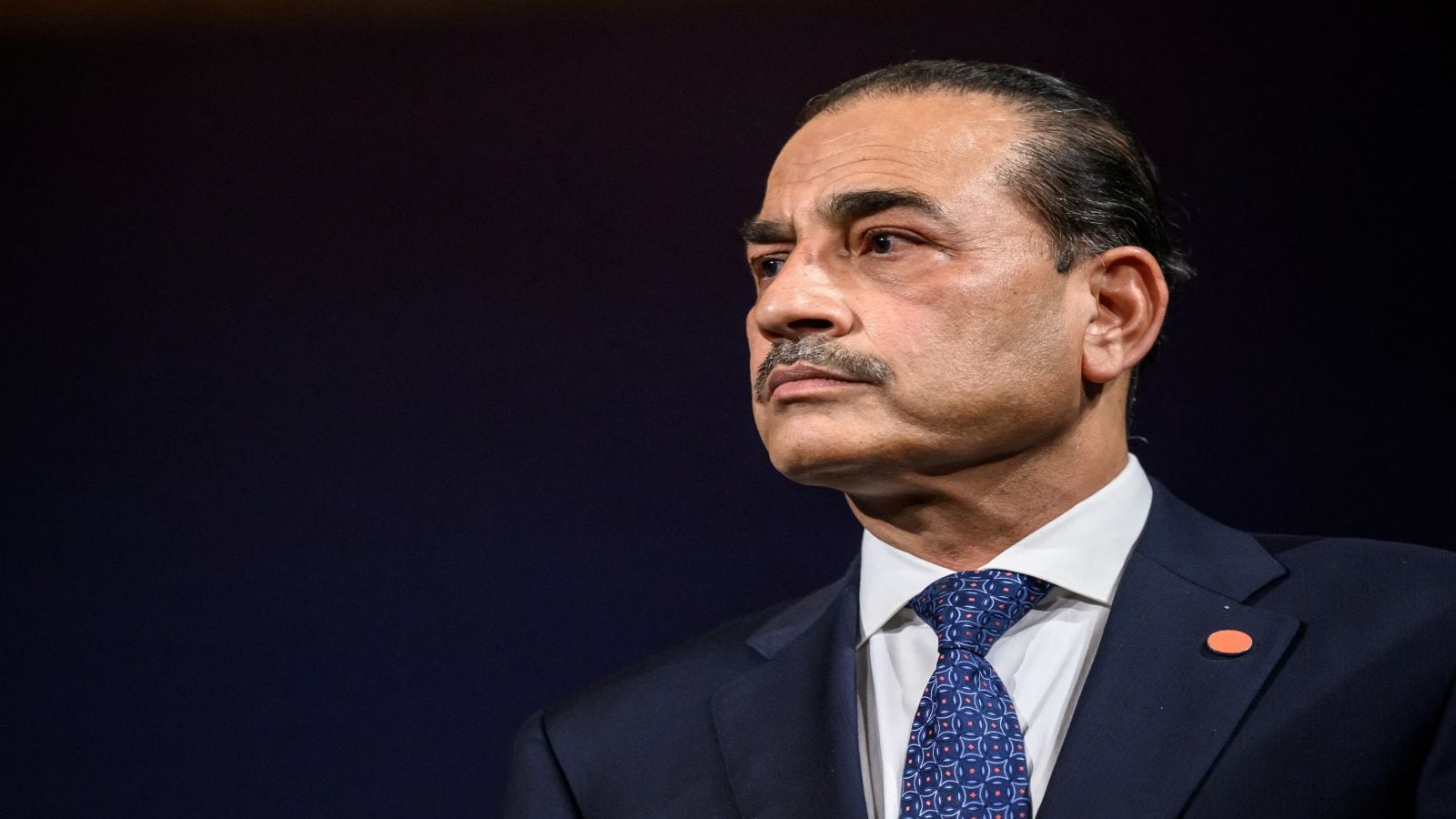
Every mainstream foreign policy desk is treating Pakistan Army Chief General Asim Munir's diplomatic shuttle to Tehran as a diplomatic blockbuster. Headlines breathlessly frame this as a historic reset between two uneasy neighbors, painting a picture of two capitals suddenly finding common ground over border security and trade pipelines.
It is diplomatic theater. And anyone buying tickets for the show is missing the structural reality on the ground.
The Lazy Consensus on Regional Detente
The standard narrative goes something like this: after a brief exchange of tit-for-tat airstrikes early last year, Islamabad and Tehran realized the cost of friction was too high. Therefore, a high-level military visit signifies a grand strategic realignment.
This view treats nation-states as monolithic units reacting rationally to short-term shocks. It ignores the institutional DNA of both militaries.
I have watched diplomats negotiate bilateral frameworks in closed rooms while local commanders on the frontier operated under entirely different sets of operational imperatives. Treaties signed in capital drawing rooms mean precisely zero when the geographic corridor in question is a smuggling superhighway funded by localized tribal economics.
Munir is not flying to Tehran to draft a grand security architecture. He is managing a pressure valve.
The Baloch Insurgency Paradox
The core operational friction point between Pakistan and Iran is not ideological rivalry; it is the Balochistan transit zone. Both states face insurgent networks that treat international borders as administrative inconveniences.
The standard analysis assumes that if Rawalpindi and Tehran share intelligence, the cross-border attacks evaporate. That assumption relies on a fundamental misunderstanding of counter-insurgency economics.
[Traditional View]  Shared Intelligence  -> Eliminated Insurgent Safe Havens
[Operational Reality] Fragmented Terrain -> Localized Smuggling + Ideological Survival
When you look at the Baluchistan frontier, you are not looking at a well-defended national boundary. You are looking at a porous, rugged expanse where state authority is thin on both sides. Iran has its own internal security headaches with separatist movements in Sistan-Baluchestan. Pakistan has long-running security concerns in its largest, most underdevelopment province.
Neither capital possesses the force density to completely seal that frontier. Munir can shake hands with Iranian military leadership until his palms bleed, but structural geography wins every single time. A joint border commission does not pave a dirt road through the mountains or instantly manufacture radar coverage over jagged peaks.
Follow the Pipeline, Not the Rhetoric
To understand why this visit is happening now, look past the security communiques and look at the economic desperation.
Iran sits on massive natural gas reserves it cannot easily monetize due to international sanctions. Pakistan faces an acute energy crisis paired with a depleted foreign exchange reserve ledger. The long-delayed Iran-Pakistan gas pipeline has sat as an expensive monument to geopolitical cowardice for over a decade, with Islamabad paralyzed by the threat of American secondary sanctions.
When military leadership steps into the diplomatic driver's seat, it usually signals that traditional civilian diplomacy has failed or hit a hard wall. In Pakistan's hybrid political structure, the military establishment calls the shots on security-adjacent economic ventures.
Munir's trip is less about neutralizing militants and more about exploring how far Washington's tolerance stretches regarding energy imports disguised as regional stabilization. It is a calculated gamble to test whether geopolitical fatigue in the West gives Islamabad enough breathing room to bypass financial penalties.
The Downside of the Military-First Approach
My contrarian stance comes with a stark caveat. Relying on military chiefs to conduct state-to-state diplomacy carries a massive structural hazard: it militarizes every civilian dispute.
When generals negotiate energy deals and border management, you get tactical security solutions applied to structural economic problems. You get fences built where economic integration is required. You get troop deployments where administrative development is the actual missing ingredient.
By treating the Pakistan-Iran relationship as a military problem requiring a military handshake, both states guarantee that future crises will be handled with kinetic force rather than institutional diplomacy.
Stop reading the tea leaves of high-profile state visits. The generals will pose for the cameras, issue identical statements about brotherhood and mutual security, and fly home. The border will remain porous. The militants will keep moving through the passes. The pipeline will remain dry.
Nothing changed before the flight touched down, and nothing will change after it takes off.