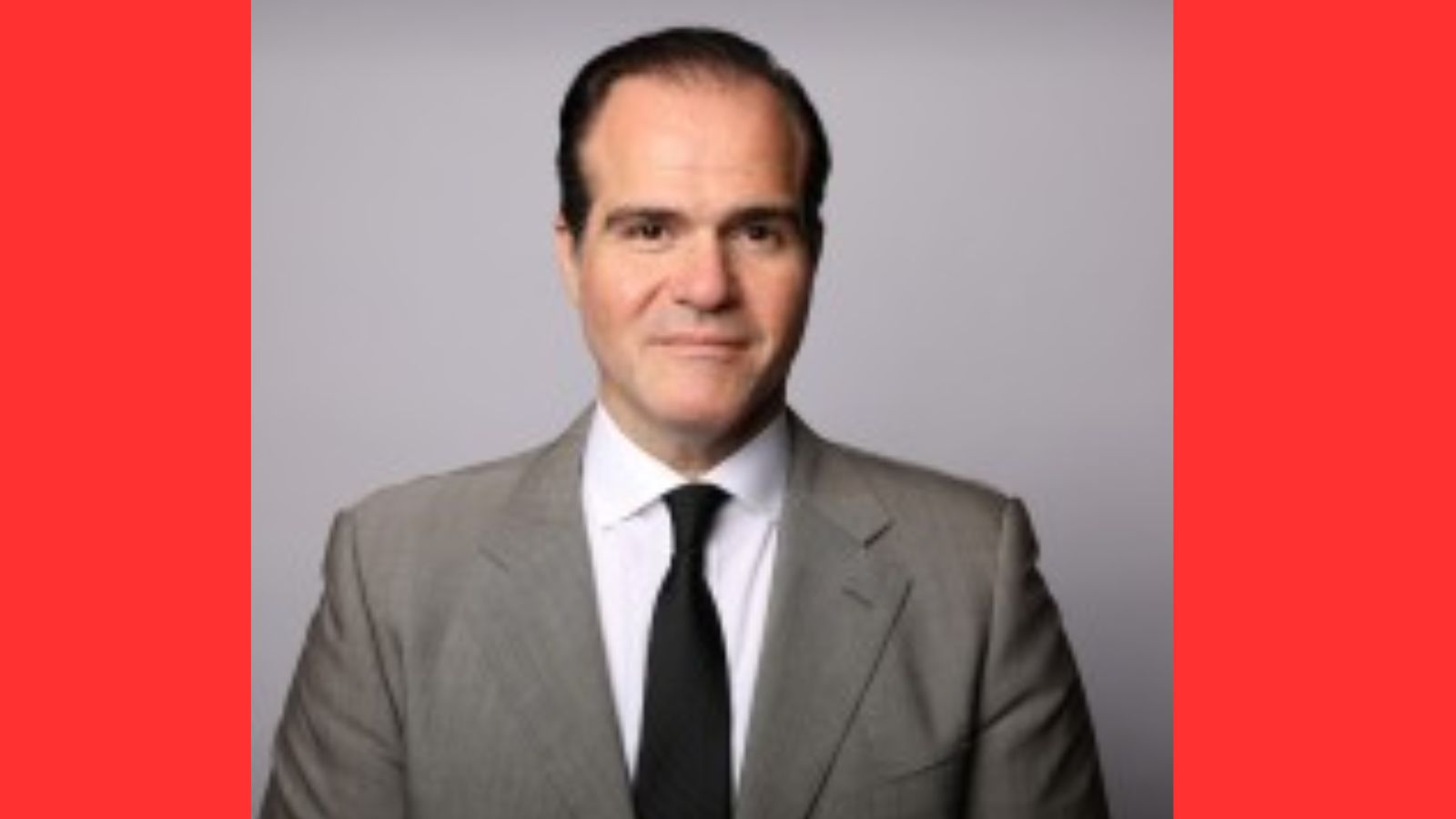
Power rarely announces its arrival with a trumpet blast. More often, it arrives in the quiet hum of a Miami boardroom, channeled through a man holding no official badge, no Senate confirmation, and no formal desk inside the West Wing.
For months following the high-stakes American raid that upended the government in Caracas, Mauricio Claver-Carone operated as the de facto viceroy of Washington policy toward Venezuela. He answered to Secretary of State Marco Rubio, whispered into the ears of decision-makers, and carved out an extraordinary sphere of informal influence. When American capital looked south toward a nation drowning on a sea of untapped oil and suffocating under nearly two hundred billion dollars of sovereign debt, every road ran through him.
Then, the door quietly closed.
Claver-Carone stepped away from his unofficial post, leaving behind a power vacuum in the shifting machinery of American foreign policy. Publicly, the exit was framed as a voluntary retirement. Privately, insiders describe a different reality—one marked by rising elbows, bruised egos, and a collision between private ambition and public trust.
To understand why this matters, step back from the cable news tickers and imagine a physical room. In this hypothetical chamber, foreign policy is not an abstract chess match of maps and treaties; it is a claustrophobic space where private equity executives, lobbyists, and diplomats circle multi-billion-dollar assets like wolves in tailored suits.
Claver-Carone was comfortable in that room. Too comfortable, according to his critics.
Operating as an unconfirmed private citizen while steering high-stakes corporate access created a maze of ethical gray areas. During his tenure, he helped guide a non-competitive, multi-million-dollar contract for U.S. firm Centerview Partners to untangle Venezuela's catastrophic debt web. He forged working relationships with transitional figures like Delcy Rodriguez, navigating an opening economy that promised immense windfalls for American corporations. Yet, running a private equity fund while simultaneously directing who gets a seat at the table of a collapsing OPEC state invites immediate skepticism.
Friction began to spark behind closed doors. Allies within the administration started asking uncomfortable questions. How much power should an unvetted outsider yield over national economic recovery projects?
Whispers turned to friction. Former ambassador Richard Grenell, a heavy hitter with his own history on the Venezuela portfolio, reportedly took direct concerns to Donald Trump about the blurred lines of influence. The pressure mounted. The footprint became too heavy.
Claver-Carone insisted he was leaving on his own terms. He summarized his departure to reporters with five stark words: "I'm retired on Venezuela."
The State Department quickly distanced itself from the drama, maintaining that he never held a formal government title anyway. Bureaucrats breathed a collective sigh of relief. The regular inter-agency machine, spearheaded fully by Rubio and re-established embassy teams, stepped forward to reclaim the file.
History suggests that power left unattended never stays vacant for long. The restructuring talks loom large. The oil wells remain coveted. The political chess board in northern South America keeps moving, driven by raw capital and geopolitical survival.
The gatekeeper is gone. The gates, however, remain wide open.