Corporate galas in Washington excel at producing optics, but they rarely match the gritty reality of international trade policy. The US-India Strategic Partnership Forum (USISPF) recently concluded its ninth Leadership Summit in Washington, timed alongside the build-up to the American semiquincentennial. The event featured the launch of a commemorative book celebrating 250 influential figures in the bilateral corridor, heavy participation from Fortune 500 executives, and addresses from key political figures.
Yet behind the celebratory toasts and the plaque presentations lies a stubborn reality. The United States and India remain locked in a complicated economic dance where structural trade barriers, defensive tariff regimes, and misaligned regulatory priorities continually slow down geopolitical ambitions. While corporate boards cheer for supply chain migration away from Beijing, the legal and economic architecture to make New Delhi a frictionless substitute is still under construction.
The Interim Trade Deal Illusion
The headline anxiety at the summit hovered around the closed-door negotiations with U.S. Trade Representative Jamieson Greer. For years, Washington and New Delhi have chased an elusive "interim trade agreement." The logic is simple: clear out the low-hanging fruit—tariffs on American agricultural products, restrictions on Indian steel and aluminum exports—before tackling systemic issues like intellectual property and data localization laws.
The strategy has stagnated across multiple administrations. The core problem is that both nations are fundamentally protectionist when local constituencies face pressure.
- The American Position: Washington wants deep market access for US dairy, medical devices, and digital services, alongside strict enforcement of intellectual property patents.
- The Indian Position: New Delhi remains fiercely protective of its hundreds of millions of small-scale farmers and retail shopkeepers, viewing data sovereignty as a national security imperative rather than a commercial bargaining chip.
A hypothetical look at the digital economy illustrates this friction. If an American e-commerce giant operates in India, New Delhi requires local storage of all user financial transactions. For the American firm, this splits infrastructure efficiency, creating distinct financial and operational burdens. For the Indian government, it prevents foreign jurisdictions from subverting domestic financial oversight. This is not a misunderstanding that a coffee table book can resolve; it is a fundamental clash of sovereign economic philosophies.
The Defense Corridor and the Reality of Tech Transfer
Corporate awards handed out at the summit tell an interesting story about where real money is moving. Among the honorees was Christopher Calio, CEO of aerospace giant RTX Corporation. The choice highlights the defense sector as the actual locomotive of the bilateral relationship, driven by co-production agreements designed to offset regional security imbalances.
Moving military blueprints from New England to Gujarat is a regulatory nightmare. The US International Traffic in Arms Regulations (ITAR) treats defense technology like state secrets because they are. Bureaucrats in Washington routinely scrutinize tech transfers, slowing down the implementation of joint ventures.
India has historically relied heavily on Russian military hardware. Overhauling its military logistical pipeline to integrate American standards requires massive capital and decades of training. While corporate announcements project immediate industrial alignment, factory-floor integration operates on a much slower, more cautious timeline.
Infrastructure Gaps and the Supply Chain Diversion
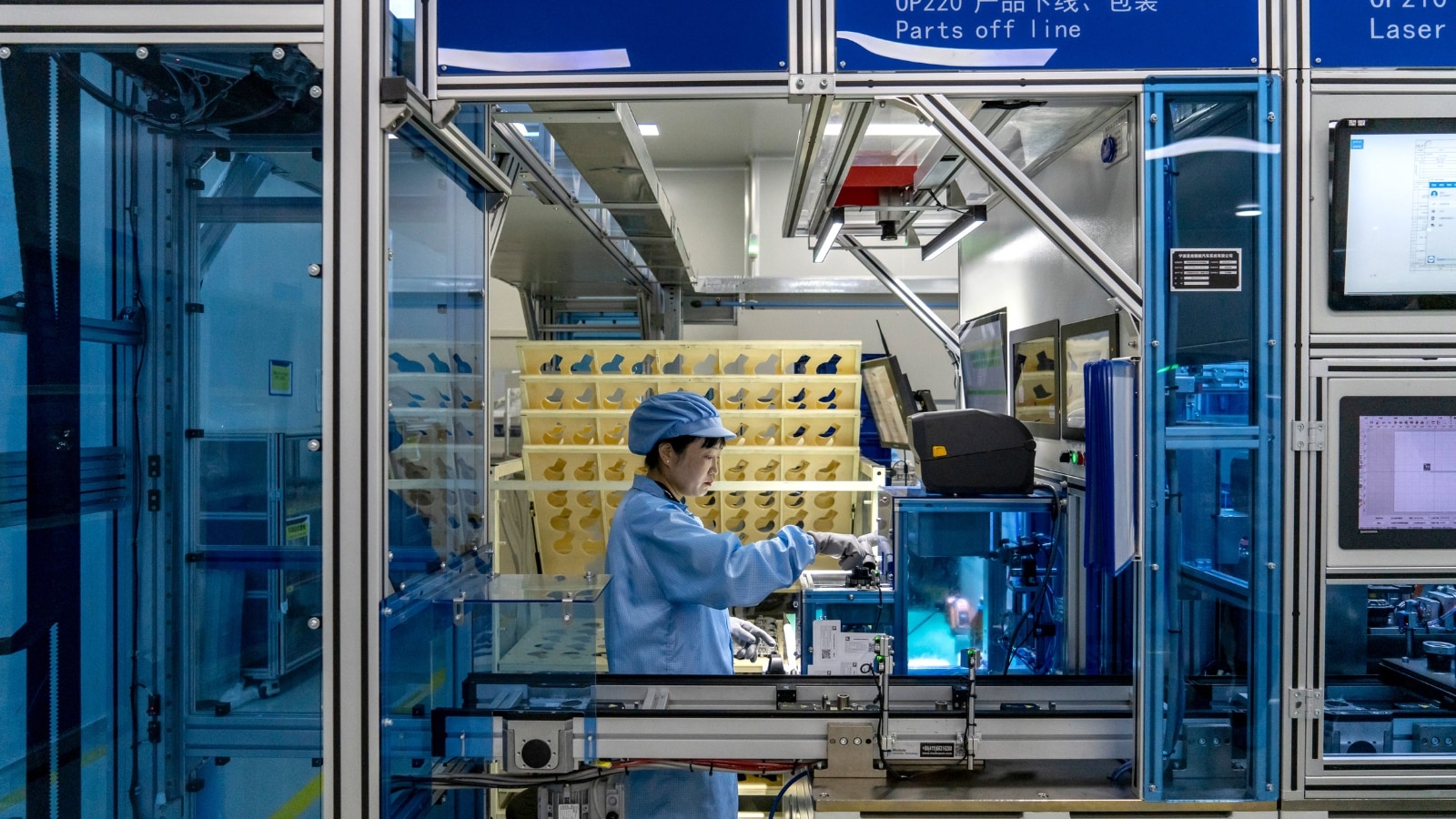
The underlying corporate thesis for India is the China-Plus-One strategy. Multinationals want to diversify manufacturing hubs to insulate themselves from geopolitical shocks. This shift has led to notable wins, such as the scaled-up domestic assembly of major consumer electronics lines within India.
Expanding this model to heavy machinery, automotive components, and pharmaceutical active ingredients reveals serious logistical bottlenecks.
| Metric | India | China |
|---|---|---|
| Average Port Turnaround Time | ~22 to 24 hours | ~10 to 12 hours |
| Logistics Cost as Share of GDP | ~13-14 percent | ~11-12 percent |
| Daily Freight Train Distance | ~300 kilometers | ~800+ kilometers |
India is spending hundreds of billions on dedicated freight corridors, highways, and deepwater ports to close these gaps. The progress is measurable, but industrial relocation requires more than just pouring concrete. It demands predictable tax administration.
Foreign executives still recount the sudden regulatory shifts that have historically penalized outside investment. Retrospective tax disputes and unexpected updates to e-commerce rules remind multinationals that doing business in India requires an exceptionally high tolerance for regulatory volatility.
The Geopolitical Anchor Keeping the Line Taut
If the economic friction is so persistent, why do Fortune 500 boardrooms and Washington lawmakers keep showing up? The answer lies in geopolitical necessity. The strategic alignment between the two capitals is anchored by a shared structural concern regarding maritime security and technological dominance in Asia.
This tension creates an environment where political willingness frequently overrides economic disagreements. Leaders from both sides find ways to overlook minor trade skirmishes because neither can afford a systemic rupture in the relationship. The bilateral connection functions as a vital strategic insurance policy, meaning corporate investments in the region are often treated as long-term bets on stability rather than short-term plays for immediate margin maximization.
The true gauge of the alliance is not the volume of celebratory declarations generated in Washington hotel ballrooms. It is found in the unglamorous, line-by-line negotiations over custom duties, visa caps, and manufacturing specifications. Until those structural mechanics are resolved, the economic reality will continue to lag well behind the geopolitical rhetoric.