If you walk down certain streets in Paris or Marseille right now, the smell of tear gas doesn't shock anyone anymore. It's just part of the air. France is burning through another major wave of civil unrest, and frankly, nobody who has watched the country's political rhythm over the last few decades should be surprised.
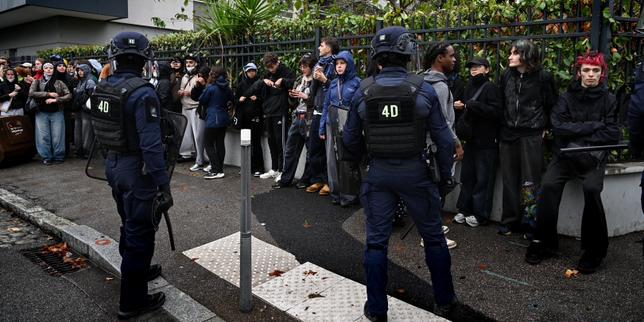
What started as localized high school walkouts over crumbling classrooms and missing teachers has snowballed into a massive, multi-sector clash involving labor unions, angry citizens, and heavy-handed riot police. Smoke flares arch through the autumn sky, trash cans burn on street corners, and the government insists order must be maintained while critics point fingers at police brutality.
Let's break down why this is happening, what the media misses, and why these demonstrations hit harder than typical seasonal strikes.
The Breaking Point Inside French Classrooms
You can't understand the scale of these protests if you look at them purely as political theater. The anger began with teenagers and educators pointing out a deeply unglamorous reality: the schools are falling apart.
We are talking about overcrowded classrooms, a severe shortage of teaching staff, and infrastructure issues ranging from broken heating to leaking roofs. When students at high schools (lycées) walked out, their demands were intensely practical. They wanted enough adults in the building to teach classes, decent study conditions, and a reversal of years of institutional neglect.
Data from recent international assessments like PISA show French student performance lagging behind OECD peers, while education spending struggles to keep pace with inflation. When kids sit in freezing or crumbling rooms week after week, patience runs out fast. The slogan painted on banners—"under our textbooks, anger"—echoes historical French rebellions for a reason. It taps into a deep, generational frustration that the system is failing them before they even step into the workforce.
When Demonstrations Turn Into Urban Warfare
Once the student strikes gained momentum, the movement morphed. Labor unions frustrated with stagnant wages and the broader cost-of-living crisis jumped into the fray. Suddenly, high school blockades merged with massive public sector walkouts.
And that is where things got ugly.
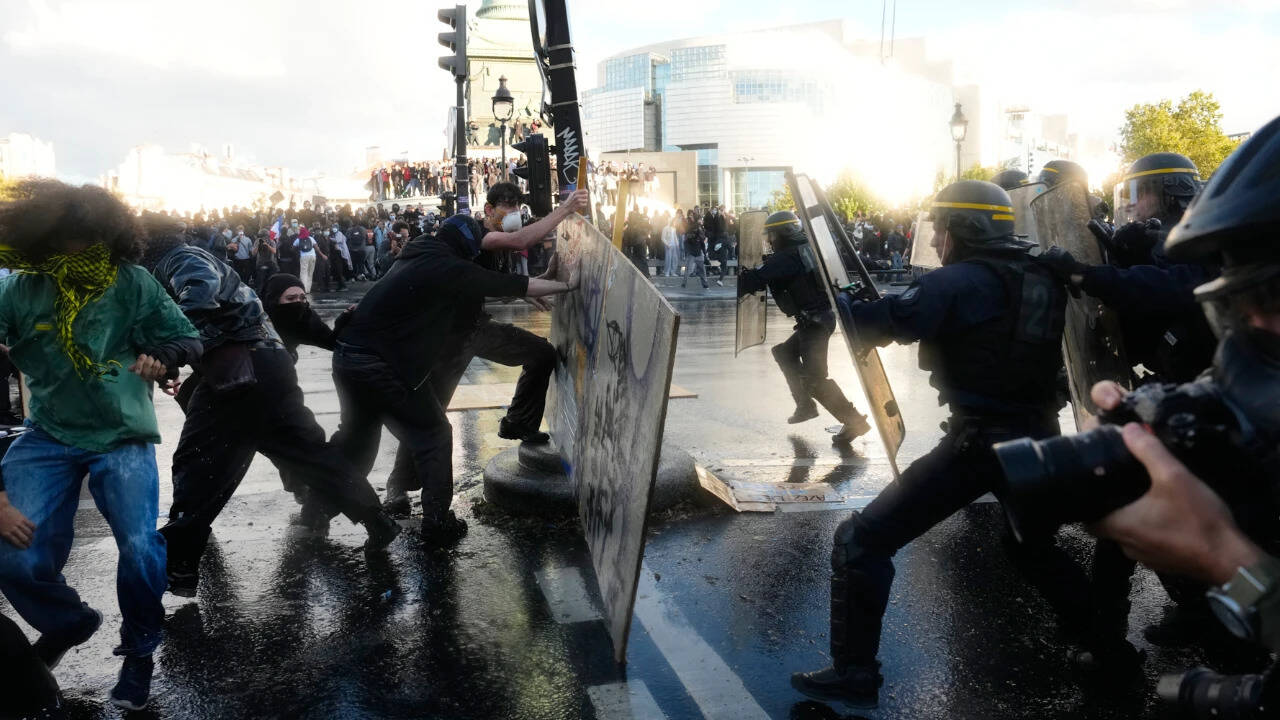
While the vast majority of marchers want peaceful reform, hardline factions and opportunistic groups hijacked the streets. Cities witnessed widespread property damage, shattered shop windows, and arson attacks on municipal infrastructure. Police responses were swift and brutal. Interior Minister Laurent Nuñez defended the deployment of riot police, arguing that actions were proportionate given the level of rioting.
Yet, human rights groups and international bodies like UN human rights experts have raised alarms over the scale of force used against minors. Thousands of young people have been detained, with injuries ranging from severe bruising to life-altering trauma. When the state answers student demands with batons and tear gas, it stops being a policy debate and turns into a crisis of trust.
The Broader Political Fallout
France has a unique cultural relationship with protest. Refusing to back down is basically a national pastime. But this current wave hits during an intensely volatile political climate. With presidential elections looming, public anger over inflation, public spending, and housing costs provides fertile ground for radical shifts on both the left and the right.
Politicians are scrambling to pick a side. Some local mayors openly stood with protesting students, while national leaders accused agitators of manufacturing urban chaos. Meanwhile, weary teachers and parents caught in the middle are simply asking when their kids can return to stable learning environments without fear of tear gas drifting into the hallways.
Fixing this won't happen overnight. Throwing a temporary patch on a budget deficit won't heal the rupture between the French youth and the state. Until structural investments match the rhetoric, the smoke will keep rising from the barricades.
French police use tear gas, water cannons against student protesters | CBC News
This video provides an on-the-ground look at the clashes between police and student protesters outside French high schools.