Donald Trump claims he just secured a "great deal" to stop a major war with Iran, but anyone watching the actual chess pieces move knows this truce is sitting on a powder keg. Just days before the scheduled remote signing of a preliminary memorandum of understanding, Iran is already laying down hard ultimatums. Tehran just issued a blunt warning to Washington: deliver on your promises, or we will hit back with immediate reciprocal measures.
This isn't just standard diplomatic posturing. It's a high-stakes gamble over a fragile, 14-point interim agreement designed to pause a brutal multi-week military conflict that pushed the Middle East to the absolute brink. Iran's Foreign Ministry spokesperson, Esmail Baghaei, made it clear that the Islamic Republic isn't signing a blank check. If the US fails to open up access to frozen funds or breaks its word on the naval blockade, Iran is ready to shut down traffic in the Strait of Hormuz again.
The real problem? While Washington and Tehran argue over the fine print, major regional players are actively trying to rip up the script.
The Lebanon Friction and Israel's Total Refusal
A core pillar of this emerging interim deal is a total halt to fighting on all fronts. To Iran, that means Lebanon is an absolute red line. Baghaei explicitly stated that respecting the sovereignty and territorial integrity of Lebanon is baked directly into the agreement, with the draft text reportedly mentioning the country three times. Tehran needs to protect its premier regional ally, Hezbollah, after weeks of intense warfare.
But Israel is playing an entirely different game.
Right after Trump touted the diplomatic breakthrough, Israeli Defense Minister Israel Katz dropped a bombshell. He announced that Tel Aviv has no intention of withdrawing its military forces from the lands it seized in Lebanon. Let's look at why this breaks the entire logic of the truce
- Israel isn't a party to the deal: Even though Israel joined US military operations earlier this year, it didn't sign this memorandum.
- Netanyahu's independent stance: The Israeli Prime Minister's office insists it will continue to act independently against any perceived threats.
- The proxy trap: If Israel keeps striking Lebanon or holding territory, Iran-backed groups will retaliate, forcing Iran to respond and instantly killing the US-brokered ceasefire.
You can't have a functional "all-fronts" peace agreement when one of the most powerful militaries on the ground refuses to stop holding territory.
The Battle of Leverage in the Strait of Hormuz
Iran knows its biggest point of leverage is the global energy supply. During the height of the recent clashes, the threat of a total shutdown of the Strait of Hormuz sent oil and stock markets into absolute panic. In this new draft deal, Iran is offering to guarantee safe passage through the vital waterway, but only under specific, time-limited conditions coordinated with neighbors like Oman.
The message from Iranian Parliament Speaker Mohammad-Bagher Ghalibaf on social media wasn't subtle. He warned that any impulsive decision by the US would "explode energy infrastructure and markets."
Basically, Iran's message to Trump is this: if our oil can't flow because of lingering restrictions or bad-faith delays, nobody's oil flows. Tehran is linking maritime security directly to the US lifting its naval blockade within the agreed 30-day window.
Domestic Firestorms in Both Capital Cities
If you think the international mechanics are messy, look at the political civil wars happening inside both nations.
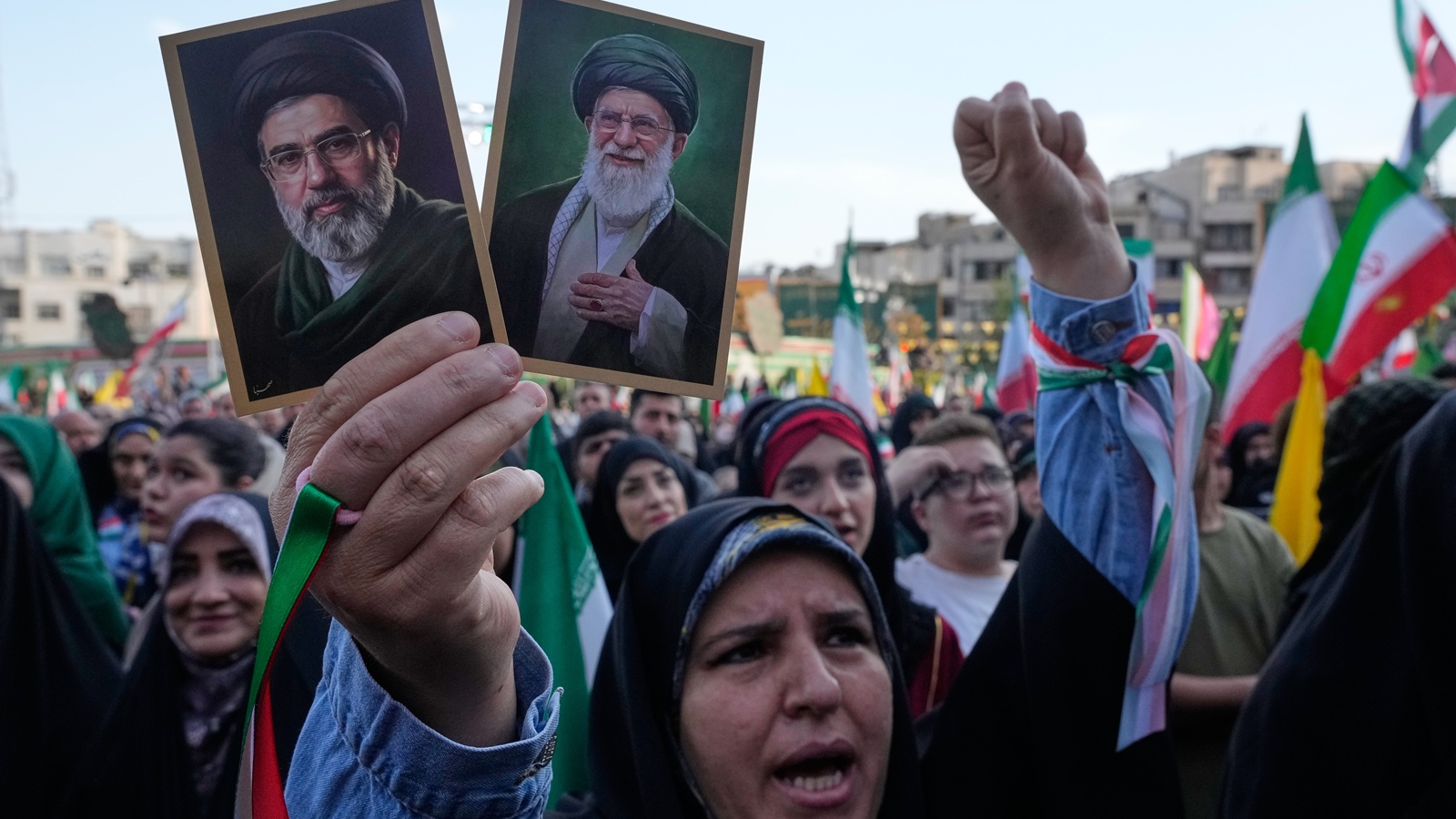
In Tehran, Reformist President Masoud Pezeshkian is trying to project absolute confidence, claiming the deal has the full backing of the ruling establishment, now under Supreme Leader Mojtaba Khamenei. But ultraconservative factions, specifically the Paydari front, are screaming betrayal. Hardline critics like MP Kamran Ghazanfari are publicly warning the diplomatic team that they crossed red lines, calling the deal illegitimate. The iconic hardline newspaper Kayhan even warned negotiators not to turn a military victory into a diplomatic surrender.
To keep the hardliners from completely sabotaging the process, Foreign Minister Abbas Araghchi has had to publicly downplay expectations. He explicitly noted that Iran remains deeply wary due to decades of American "bad faith" and openly predicted that implementing even this basic framework will be riddled with problems.
Meanwhile, Trump faces his own wall of skepticism at home. After executing a high-intensity "maximum pressure" campaign and launching heavy strikes earlier this year, shifting gears to an interim deal looks like a massive pivot. Critics are already pointing out that the draft deal excludes restrictions on Iran's regional missile program—a massive concession compared to the original, stringent US demands.
What Happens in the Next Forty Eight Hours
The clock is ticking loudly. The initial framework dictates that specific, concrete steps must occur before the virtual signing ceremony can move forward.
If you want to know whether this deal will actually survive the week, don't watch the press conferences. Watch these specific flashpoints instead:
- The Funds Mobilization: Watch whether the US actually facilitates the release of the first chunk of the reported $24 billion in frozen Iranian assets. If the money doesn't move, the deal stops.
- The Israeli Border Lines: Look for any sudden escalations between Israel and Hezbollah in southern Lebanon. A single major rocket exchange or airstrike will collapse the fragile consensus.
- Naval Movements near Hormuz: Monitor whether US and allied naval vessels begin easing their aggressive posturing around the Persian Gulf to allow the naval blockade to lift.
If either side flinches or tries to alter the terms before Friday, this diplomatic breakthrough won't lead to a 60-day peace negotiation. It will send both nations straight back to an even more dangerous, direct military confrontation.