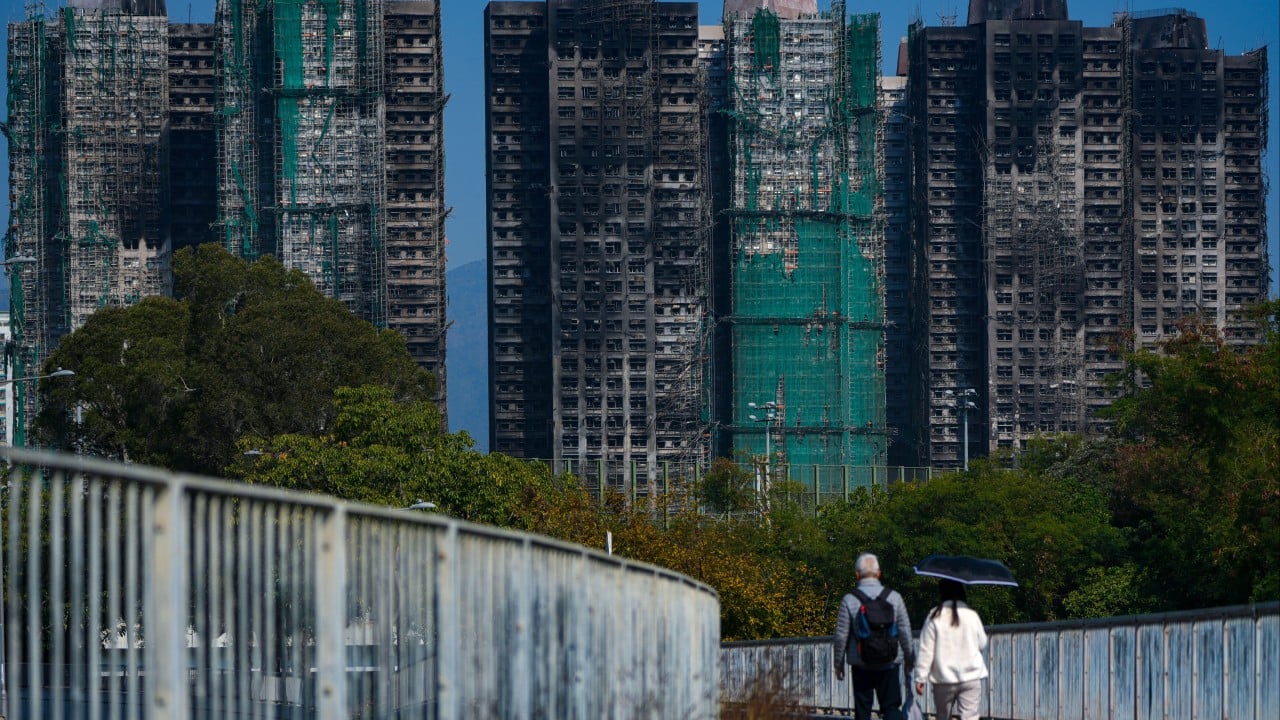
The government’s public optimism regarding the buy-back of Wang Chi House is a carefully constructed facade designed to mask a deepening property rights crisis. While officials claim a 75% "confidence rate" that owners will accept the current compensation offers, this figure ignores the reality of localized displacement and the financial ruin facing long-term residents. The state is betting on the exhaustion of the owners. It assumes that if it waits long enough, the sheer weight of legal fees and the creeping decay of a building slated for demolition will force the remaining holdouts to sign away their equity.
The core of the dispute at Wang Chi House isn't just about the dollar value of a square foot. It is about the definition of "market value" in a neighborhood that has been aggressively gentrified by the very infrastructure projects the government uses to justify these acquisitions. When the state enters the real estate market as a compulsory buyer, the traditional mechanics of supply and demand break. The owners are being offered prices based on the building’s current, neglected state, yet they must find replacement housing in a market that has already priced in the future luxury developments.
The Arithmetic of Displacement
The 75% figure touted by the Housing Bureau is a statistical sleight of hand. By focusing on the percentage of owners who might accept the offer, the government avoids discussing the actual quality of life those owners will face afterward.
For a retiree who has owned their unit for thirty years, the "market rate" offer often fails to cover the cost of a similar-sized unit within a five-mile radius. These residents aren't just moving; they are being pushed out of their communities. The government’s valuation model typically uses "comparable sales" from older, unrenovated buildings nearby. However, those buildings are also under the shadow of future development, creating a localized depression in prices that the state then exploits to keep its acquisition costs low.
Consider the mechanics of the buy-back. The government’s offer includes the appraised value plus a standard "ex-gratia" allowance meant to cover moving expenses and legal fees. In a rising interest rate environment, this allowance is a drop in the bucket. Most owners at Wang Chi House bought their homes when prices were a fraction of today's levels. If they take the deal, they lose a paid-off asset and are forced into a mortgage market they cannot afford at their age.
Why the Confidence is Misplaced
The government’s confidence stems from its ability to outlast the individual. This is a war of attrition.
The "confidence" mentioned in official statements is actually a projection based on the history of previous urban renewal projects. The state knows that as more neighbors leave, the building becomes a ghost town. Services are cut. Maintenance is deferred. Security becomes an issue. Eventually, the psychological pressure of living in a dying building breaks the will of even the most stubborn owners.
The Infrastructure Loophole
Under current laws, the government can invoke public interest to expedite these buy-backs if the site is tied to critical infrastructure. By designating Wang Chi House as part of a wider "transportation and safety corridor," the authorities have significantly weakened the owners' ability to negotiate.
This designation allows the state to bypass the standard lengthy mediation process. It creates a "take it or leave it" environment where the alternative to the 75% acceptance rate is not a better deal, but a compulsory purchase order that might offer even less. The "public interest" is being used as a blunt instrument to facilitate what is essentially a land-clearing exercise for future private-sector partnerships.
The Hidden Cost of Urban Renewal
The social fabric of Wang Chi House is being dismantled one unit at a time. This isn't just an aging structure; it is a micro-economy. Small businesses on the ground floor, many of which have served the residents for decades, are being offered even less favorable terms than the residential owners.
Commercial tenants are often excluded from the most generous parts of the buy-back schemes. They are treated as liabilities rather than stakeholders. When these businesses close, the elderly residents who rely on them lose their support network. The government’s plan lacks any meaningful provision for the "right to return," a policy that would allow displaced residents to move into the new developments once they are completed. Instead, the site will likely be sold to a high-end developer, ensuring the original community is permanently erased.
The Flawed Valuation Model
The primary friction point remains the appraisal process. The government employs independent valuers, but these firms are often reliant on government contracts for the bulk of their business. This creates an inherent bias.
A truly fair valuation would look at the "highest and best use" of the land after the redevelopment, rather than its current state as a crumbling apartment block. If the government plans to build a high-density luxury complex on the site, the current owners should share in that projected value. By paying them based on the building’s current state, the state is effectively capturing all the future profit for itself or its future development partners.
The Problem with Comparable Sales
The valuers look at recent sales in the area to determine the price. However, in a neighborhood slated for major redevelopment, the only "comparables" are often other buildings also facing the threat of resumption. This creates a feedback loop of low prices.
Market distortion is inevitable when the government is the only buyer in the room. The owners at Wang Chi House cannot list their units on the open market and get a fair price because no private buyer will touch a building that the government has already announced it intends to seize. The residents are trapped in a liquidity vacuum where the only exit is the one the state provides.
The Legal High Ground
Resistance is expensive. The owners who are fighting the buy-back are spending their life savings on surveyors and lawyers to challenge the government’s appraisals.
The legal system is skewed toward the state in these matters. To win a challenge against a compulsory purchase, an owner must prove that the government’s valuation is not just low, but "irrational" or "procedurally flawed." This is a high bar to clear. Most owners realize that even if they win a slight increase in the offer, the legal costs will likely swallow the difference. The 75% acceptance rate the government expects is not a sign of satisfaction; it is a sign of surrender.
The Role of Transparency
The Housing Bureau has refused to release the full breakdown of how it reached its confidence level. If the offers were truly fair, there would be no need for the secrecy surrounding the internal metrics.
By withholding the data, the government prevents owners from organizing effectively. Information asymmetry is a classic tactic in these negotiations. If Owner A doesn't know what Owner B was offered, they cannot collectively bargain for a better rate. The "75% confidence" is a psychological tool intended to make the remaining 25% feel isolated and irrational.
The Real Estate Industry’s Perspective
Industry analysts see Wang Chi House as a litmus test for future urban density projects. If the government can successfully clear this site with minimal resistance and at these prices, it sets a precedent for the rest of the district.
Developers are watching closely. They aren't interested in the plight of the current owners; they are interested in the "clean" land that will result from the buy-back. The more the government can suppress the acquisition costs now, the higher the eventual land premium the state can charge the developers later. It is a transfer of wealth from the working-class owners of Wang Chi House to the state treasury and, eventually, to the balance sheets of major property conglomerates.
A Better Way Forward
The current model is broken because it treats citizens as obstacles rather than partners. A more equitable approach would involve an equity-share model.
Instead of a one-time cash payment that fails to cover the cost of a new home, the government could offer owners a stake in the new development. This would allow them to benefit from the increased land value and potentially move back into the neighborhood they helped build. This would require more complex planning and a longer timeline, which is exactly why the government avoids it. They prefer the clean break of a cash buy-back, regardless of the human cost.
The residents of Wang Chi House are not looking for a windfall. They are looking for the ability to maintain their standard of living and stay in their community. The government's "confidence" is a hollow victory if it is built on the financial displacement of its own people.
Owners should immediately seek independent, collective legal counsel rather than dealing with the Housing Bureau on an individual basis. The only way to break the government's "war of attrition" strategy is to turn the 25% of holdouts into a unified block that demands a transparent, post-redevelopment valuation of their land.