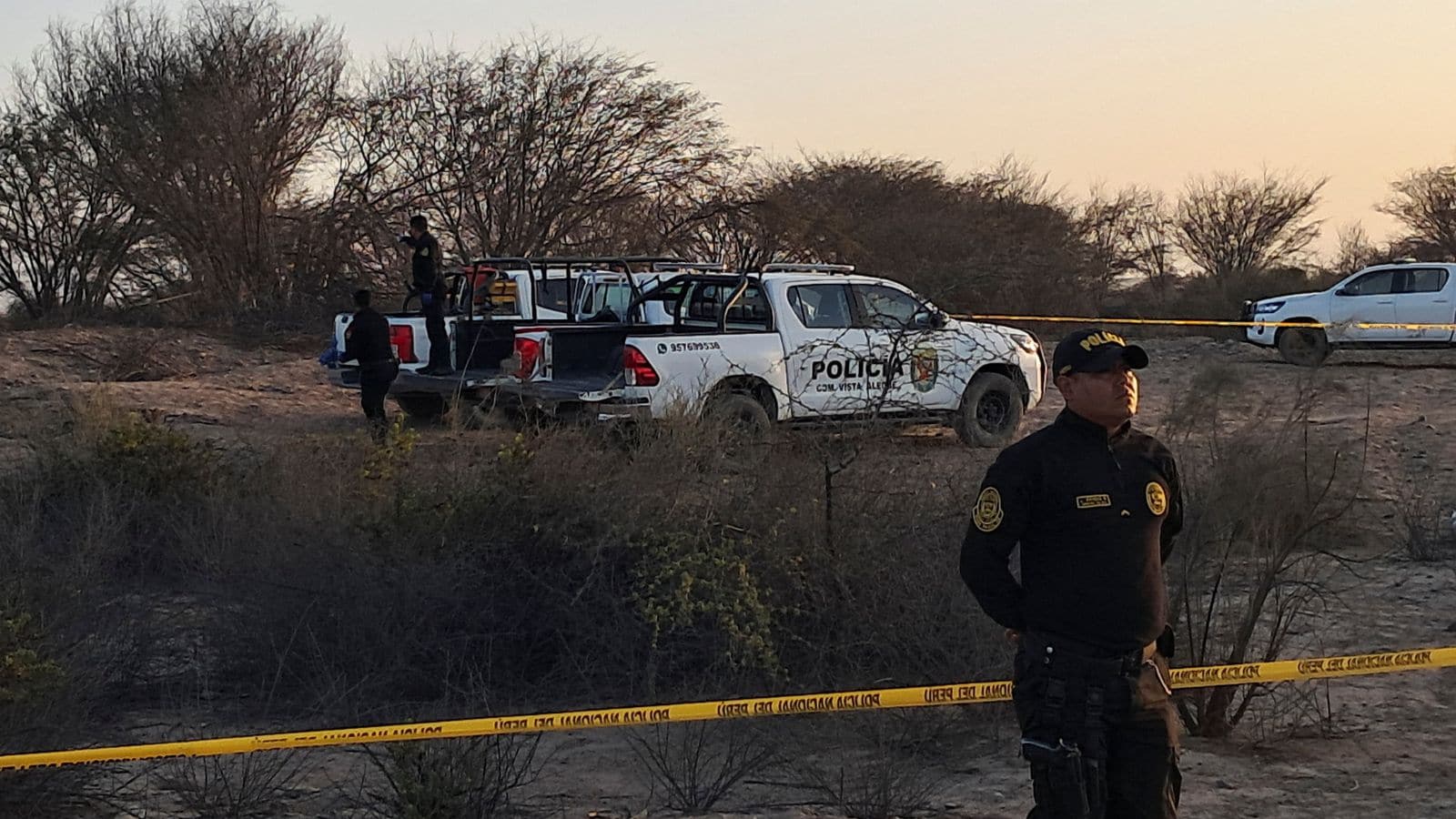
Thirteen people died when a sightseeing aircraft slammed into a field outside Nazca, Peru. The flight was supposed to showcase the world-famous ancient geoglyphs etched into the desert floor. Instead, it turned into a catastrophic disaster.
The victims included eleven foreign tourists—seven from Italy, two from Spain, and two from Germany—along with the pilot, Américo Salazar, and co-pilot, Irenka Guanilo del Carpio. Operated by the local carrier Aerodiana, the Cessna Caravan C-208 took off from Pisco. Roughly fifty minutes later, the crew radioed an emergency to the control tower at Nazca airport before all communication vanished. The aircraft crashed into the Socos area, roughly four miles from the city of Nazca, and erupted into flames. You might also find this connected article useful: What Most People Get Wrong About the Chevening Scholarship for Honduras.
If you plan to visit Peru, this tragedy forces a hard look at the safety realities behind bucket-list aerial tours.
The Grim History of Nazca Aviation
This crash isn't an isolated anomaly. For decades, the skies above the Peruvian desert have seen fatal accidents tied to tourism. Back in 2010, multiple crashes claimed dozens of lives, forcing the government to ground fleets, revoke licenses, and enforce stricter oversight. Smaller incidents and close calls happen more frequently than tourism boards care to advertise. As discussed in detailed reports by The Points Guy, the implications are notable.
Why do these crashes keep happening? The answer lies in the physics of the flight itself.
To give passengers a clear look at the massive figures of hummingbirds, spiders, and monkeys, small planes have to bank sharply. Pilots tilt the aircraft steeply to the left and right so people on both sides of the cabin can snap photos. These continuous, aggressive banking maneuvers place immense stress on older airframes and fuel systems. Centrifugal forces can pull fuel away from intake lines, creating severe engine risks if maintenance slips even a little.
Pressure on Operators and Pilots
Tourism in Peru brings in millions of visitors, and regional hubs rely heavily on the economic engine of sightseeing. Local airlines operate back-to-back flights under tight schedules.
Pilots flying the Nazca routes carry a massive workload. They often manage navigation, flight controls, and passenger commentary all at once. When you combine intense turnaround times, challenging desert wind patterns, and the strain of constant tight-radius turns, the margin for error shrinks to almost zero.
Following the latest disaster, President Keiko Fujimori signaled that authorities are weighing temporary airport suspensions and deeper regulatory reviews. But government crackdowns only go so far.
How to Protect Yourself If You Go
You don't necessarily have to skip the experience entirely, but you do need to drop the vacation mindset and think like a risk manager. Travelers often assume that because an activity is sold by a hotel desk or listed in a guidebook, it carries standard commercial aviation safety guarantees. It doesn't.
Before booking a flight over the desert, take these steps:
- Check the aircraft registration: Ask the operator for the tail number of the plane you'll board. Run it through safety databases like the Aviation Safety Network to check its operational history.
- Research the operator: Stick to larger, established companies with transparent maintenance records, rather than booking the cheapest option from a kiosk on the street.
- Consider alternatives: If flying in a small Cessna feels too risky, you can view portions of the site from the official metal observation tower built along the Pan-American Highway, or explore the Maria Reiche Museum on the ground.
Adventure travel always carries an element of chance. Knowing the actual track record of what you're stepping into keeps you safe when things go wrong.