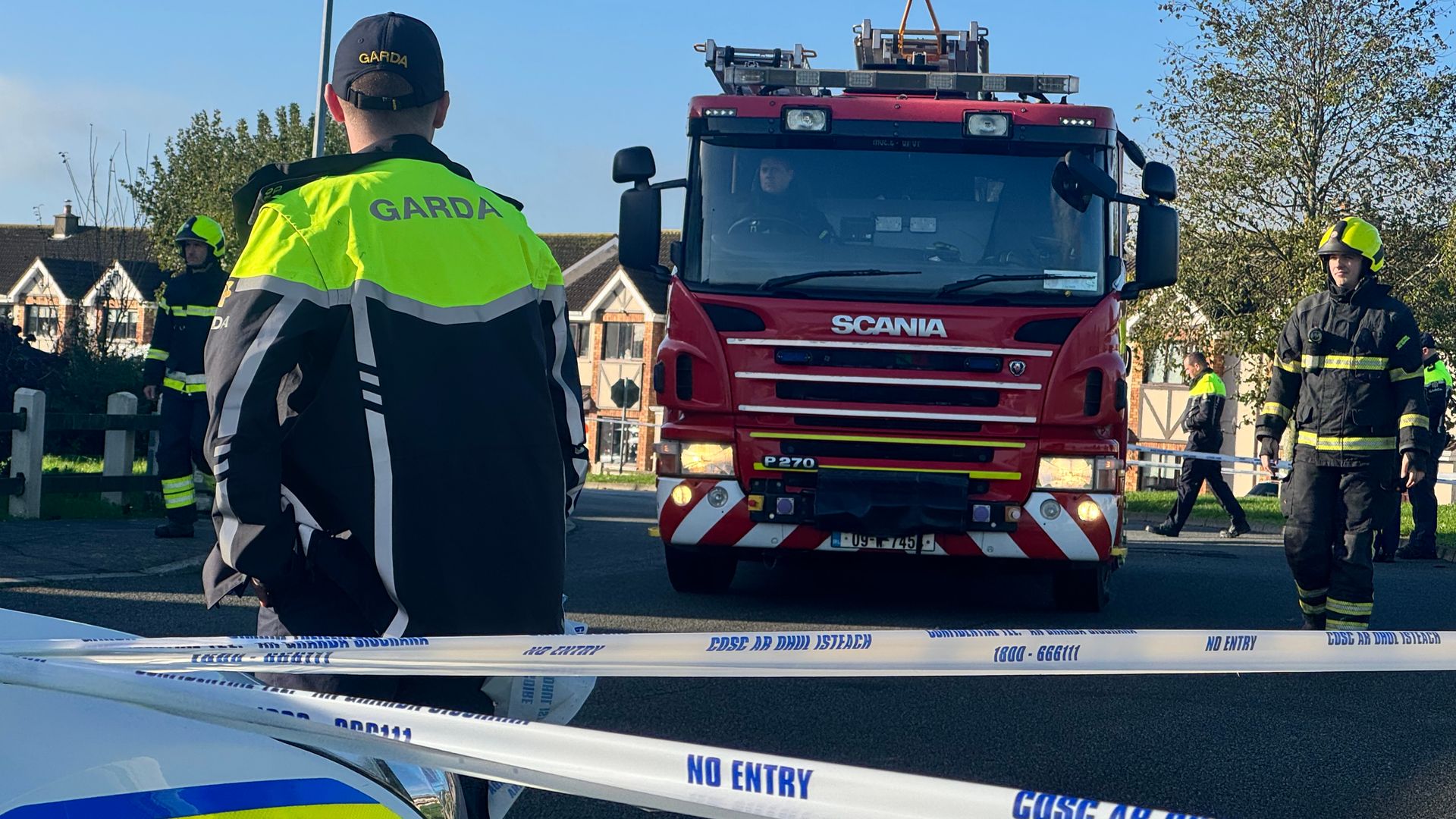
The smoke had barely cleared from the charred framework of the suburban property before the tape went up. A man, a woman, and two young children were gone, reduced to statistics in a weekly crime report before forensic teams had even finished sifting through the ash. On paper, it was a sudden, violent disaster. In reality, tragedies of this magnitude rarely arrive without a long, ignored preamble of systemic failures, delayed warnings, and structural vulnerabilities that ordinary citizens are left to navigate alone.
Journalists often treat incidents like this as isolated anomalies. They show up with cameras, record the grim faces of local commanders reading prepared statements, and move on by the evening news cycle. But when you spend decades covering emergency response protocols, building codes, and municipal neglect, you learn to look past the charred lintels. You look at response times, neighborhood infrastructure, and the silent creep of hazards that municipal authorities fail to regulate until someone pays the ultimate price.
Anatomy of a Fatal Response
Every second counts when a residential structure catches fire. Modern construction materials burn faster than timber of a generation ago, turning a living room into an oven within minutes. Yet public discourse frequently glosses over the operational realities facing local emergency services. When the emergency call went out from this neighborhood, engines rolled, but the logistical hurdles they faced were entirely predictable.
Narrow access roads choked with parked commuter vehicles. Outdated hydrants with low water pressure. Stations operating understaffed crews due to municipal budget tightening. These are not exciting details for cable news, but they are the variables that determine whether a family walks out of a burning home or becomes a headline.
Investigators on the scene immediately launched a murder investigation, signaling that the fire may not have been an accident. But criminality in domestic settings does not happen in a vacuum. It often festers inside environments stripped of social support, mental health resources, and adequate housing oversight. When a community breaks down, the physical structures housing its most vulnerable members often fail right along with it.
The Blind Spots in Modern Housing Safety
We live in an era obsessed with smart technology, yet millions of homes rely on smoke detectors past their expiration dates or lacking hardwired backups. In rental properties and older subdivisions, code enforcement is notoriously reactive. Inspectors only show up after a complaint is filed or a catastrophe occurs.
Municipalities across the country treat housing inspections as a bureaucratic nuisance rather than a frontline defense against mortality. Landlords push back against mandatory upgrades. Tenants fear retaliation or eviction if they report faulty wiring or missing safety equipment. The result is a patchwork of dangerous living conditions hiding in plain sight.
The authorities leading the current inquiry are tight-lipped about the exact accelerant used or the sequence of events inside the house before the blaze took hold. This is standard protocol for an active homicide investigation. However, holding back information while refusing to address the broader systemic decay surrounding the property serves only to shield municipal agencies from accountability.
Beyond the Police Blotter
The public appetite for crime reporting is insatiable, yet it rarely demands structural change. We want villains and heroes, clear motives, and neat resolutions. Real life offers none of those comforts. A family of four is wiped out, and the immediate community is left staring at a pile of ash while politicians offer standard thoughts and prayers.
If this investigation is going to mean anything, it must stretch beyond the immediate search for a suspect. It has to examine why safety nets failed. It must question why warning signs were missed by neighbors, social services, and local officials. A murder investigation into a fatal house fire is not just about finding who struck the match. It is about understanding every single failure that allowed the fire to become lethal in the first place.
The smoke eventually dissipates. The news vans pack up and drive to the next disaster. But the burnt-out frame remains on the street, a stark monument to a system that reacts to tragedy instead of preventing it.