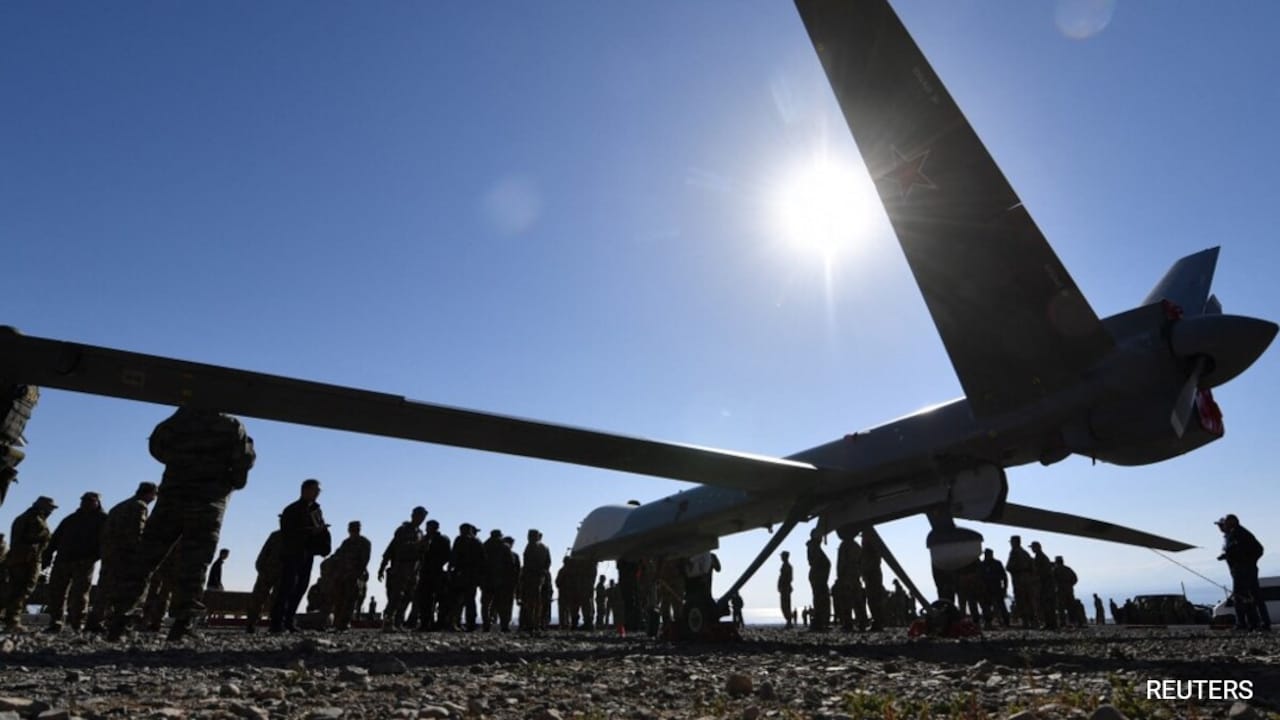
Twenty bodies recovered from the smoking canopy of the Guaviare jungle mark a violent pivot in South America.
President Abelardo de la Espriella wasted no time fulfilling his signature electoral promise. Weeks after taking the oath of office, the hardline conservative administration authorized precision air raids targeting a dissident faction of the Revolutionary Armed Forces of Colombia, commonly known as the FARC. The strike obliterated a camp belonging to Iván Mordisco’s network, killing twenty alleged combatants and instantly turning the page on years of cautious, fraught de-escalation attempts.
This is not merely a tactical victory for the military command in Bogotá. It represents the formal burial of the previous administration's "total peace" doctrine, a policy that sought to negotiate with every armed faction simultaneously and instead watched territorial control slip steadily away.
The Anatomy of a Hardline Doctrine
To understand why twenty dead insurgents matter so profoundly right now, look backward at the architecture of failure that preceded them. Gustavo Petro’s tenure was defined by an idealistic gamble. He believed that state legitimacy and generous economic concessions could coax stubborn drug-trafficking syndicates and ideological remnants out of the rainforest.
Instead, the syndicates used temporary ceasefires to rearm, recruit, and cement their grip on lucrative cocaine corridors. Violence reached a ten-year zenith. Swaths of rural Colombia remained under the thumb of commanders who treated government olive branches as tactical breathing room.
De la Espriella diagnosed this fatigue accurately during the campaign. He promised a return to kinetic pressure. The calculus of the new government is stark: state sovereignty cannot be negotiated into existence through endless dialogue tables in foreign capitals. It must be enforced on the ground. Yet the swift return to aerial bombardment brings immediate, grim complexities that extend far beyond a tally of neutralized threats.
The Cost in the Canopy
Air power is seductive because it projects absolute authority from a safe distance. It is also notoriously indiscriminate in densely forested terrain.
Within days of the initial operation, forensic reports confirmed an agonizing reality that haunts modern counter-insurgency. Among the dead were minors. The National Institute of Legal Medicine and Forensic Sciences verified that teenage conscripts, some as young as fifteen years old, perished in the fiery blasts.
This introduces the central moral and operational dilemma of the new security paradigm. FARC dissident factions rely heavily on forced recruitment, dragging children out of vulnerable rural communities to serve as combatants and human shields. When the state drops ordnance on an insurgent encampment, it strikes a target composed partly of victims.
De la Espriella addressed the presence of children by shifting the moral weight back onto the commanders, declaring that insurgent leaders who use minors as shields must bear absolute responsibility for their deaths. International human rights monitors, however, view the escalation with deep alarm. They argue that returning to heavy aerial bombing inevitably sacrifices the youngest and most defenseless victims of a fifty-year conflict, regardless of who pulls the trigger in the cockpit.
The Legal Limbo on the Ground
The shift toward total confrontation has left peripheral peace efforts stranded in administrative quicksand.
Just days before the election that brought the current administration to power, a tiny fraction of combatants laid down their weapons under specific legal protections. Today, those ninety-nine individuals find themselves in a dangerous legal vacuum. The temporary zones established for their demobilization are viewed with deep suspicion by an executive branch that rejects negotiated leniency.
Armando Novoa, the former government official who spearheaded those delicate negotiations, warns that dismantling these transition frameworks or treating unarmed signatories as legitimate targets would cross a catastrophic ethical line. Yet the state has offered few assurances. The machinery of peace has been abruptly dismantled and absorbed into a newly minted National Security Commission, leaving former rebels wondering if their choice to trust the state was a fatal miscalculation.
The Illusion of Quick Resolutions
The government's hardline approach plays well with an urban electorate exhausted by rising criminality and rural extortion. Voters wanted strength. They wanted a commander-in-chief who would not flinch.
Aerial supremacy, however, has historical limits in the Colombian theater. Decades of counter-insurgency warfare demonstrate that bombs can scatter a command structure and eliminate high-profile figures like Mordisco's lieutenants, but they rarely extinguish the underlying economic engine. Cocaine financing remains hyper-lucrative, and millions of dollars in illicit capital can easily reconstitute a decimated unit within months.
The twenty dead in Guaviare prove that the state is willing to wage war again. Whether that war can break the cycle of violence, or simply drive a bruised and adaptable insurgency deeper into the shadows, depends entirely on whether Bogotá can hold the territory it clears once the smoke clears from the trees.