The air inside Terminal 2 smells like burnt espresso, stale carpet, and the quiet, collective panic of four hundred people waiting to go somewhere else. It is an artificial climate, sealed away from the weather outside, governed entirely by glowing green monitors and the digitized, monotonic voice of an automated gate announcer.
Then comes the sound that stops every conversation.
A sharp, frantic slap of rubber soles against linoleum. A ragged gasp for breath. A silhouette bursts through the crowd near Gate B14, shoulders heaving, eyes wide with the specific, terrifying realization that time has just run out.
We have all been there, or at least felt the ghost of that moment in a nightmare. The racing heart. The sudden, hot flush of adrenaline. The desperate calculation of whether a human sprint can outpace a multi-million-dollar machine schedule.
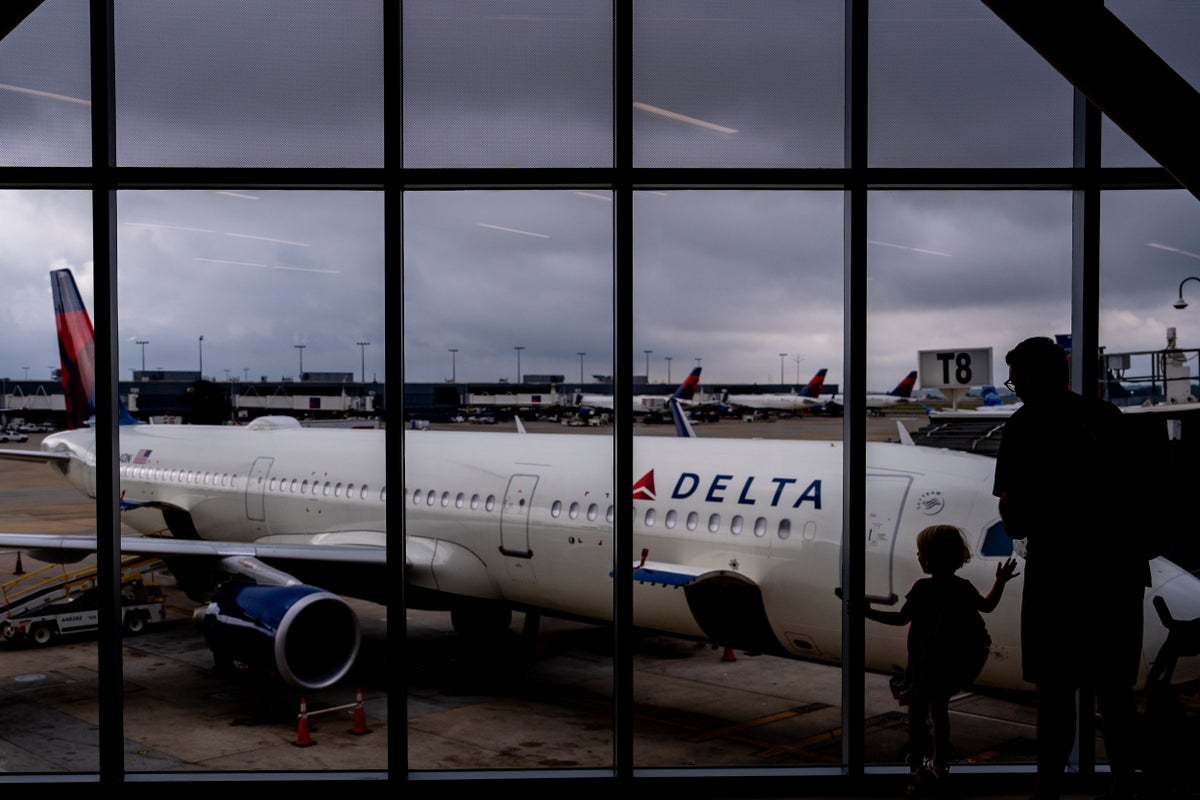
Behind the glass, fifty feet below, the wide-body jet sits motionless. Its massive engines whine in a low, subsonic hum. The jet bridge has already retracted, leaving a yawning, impossible gap of empty air between the terminal exit and the aircraft door. The metal stairs are gone. The paperwork is finalized. The manifest is locked.
Yet, human nature refuses to surrender to a logistics spreadsheet.
Consider what happens next, stripped of the dry police reports and airport incident logs.
A man in a wrinkled business suit, his carry-on bag bouncing violently against his thigh, drops his dignity on the industrial floor. He doesn't see a security perimeter. He doesn't see federal aviation regulations or localized airport bylaws. He sees a door. And to a desperate mind, a closed door is merely an insult.
He lunges toward the emergency exit lane.
Let us be entirely clear about the physical reality here. An airport tarmac is not a parking lot. It is a chaotic, high-stakes industrial ecosystem where multi-ton vehicles, baggage tugs, fuel trucks, and jet blasts moving at hurricane speeds intersect continuously. Walking out there without a high-visibility vest, without clearance, and without training is a microscopic step away from a funeral.
The security officers didn't hesitate. They never do.
Within seconds, the chaotic sprint devolved into a heavy tackle against the glass partition, followed by the cold, heavy click of handcuffs. The passengers—late, breathless, and now facing criminal trespass charges alongside missed connections—stood blinking under the harsh fluorescent lights. Their vacation, their meeting, their family emergency, instantly eclipsed by a mugshot and a cancelled ticket.
Why do we do it?
Behavioral psychologists point to loss aversion, a cognitive bias where the pain of losing an opportunity vastly outweighs the rational assessment of the risks involved. When a traveler watches their flight board close, the brain misinterprets the schedule as a personal rejection. It triggers a primitive fight-or-flight response. Logic shuts down. The amygdala takes the wheel.
The modern airport is designed to make us feel small. We strip off our shoes, empty our pockets, surrender our liquids, and shuffle in single-file lines like livestock processed through a very expensive, very polite abattoir. For hours, we submit. We obey every instruction, every sign, every petty bureaucratic restriction.
Until we don't.
That sudden dash across the tarmac is rarely just about catching a meeting in Chicago or a wedding in Cabo. It is a primal, desperate rebellion against a system that treats human lives as barcodes. It is a fleeting, disastrous attempt to grab the steering wheel of a life that feels entirely out of our control.
The handcuffs are cold against the wrists. The flashing lights of the airport patrol cruisers reflect off the polished terminal windows, painting jagged red and blue streaks across the faces of hundreds of onlookers who stare with a mixture of smug superiority and secret, guilty empathy.
The plane taxies away, its wingtips flashing white against the deepening twilight, leaving behind two empty seats and a lesson written in concrete and steel. Time does not negotiate. The world moves on its own schedule, and the hardest part of travel is accepting that sometimes, the door simply closes.